Capcom • 2024 • Xbox Series X|S, PC (Microsoft Windows), PlayStation 5
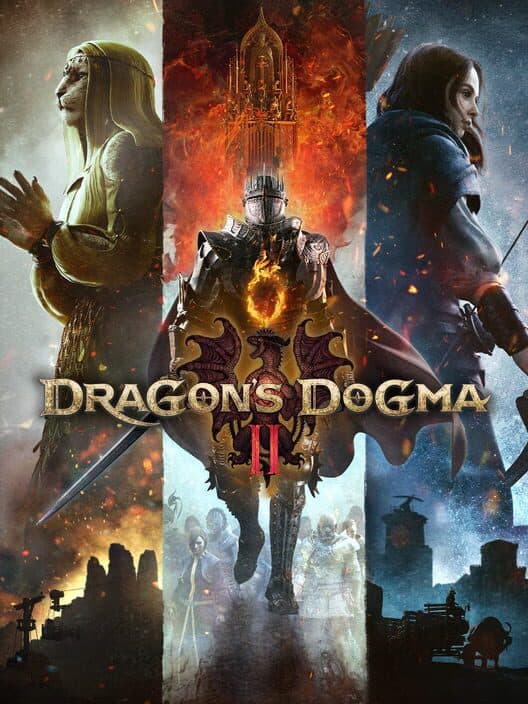
Dragon's Dogma II
Capcom • 2024 • Xbox Series X|S, PC (Microsoft Windows), PlayStation 5
Is Dragon's Dogma II Worth It?
Dragon's Dogma II is worth it if you want adventure stories more than tidy quest efficiency. Its best moments are not cutscenes or loot drops. They're the times a short walk turns into a cyclops fight, a nighttime panic, or a heroic save from your pawn party. Large-monster combat feels physical, the pawn system makes solo play feel oddly companionable, and the world is great at producing memorable trips. What it asks from you is patience. Travel takes time, inventory weight matters, quest guidance can be fuzzy, and a quick session can stretch longer than planned. It also still carries a real performance caveat, especially if you are sensitive to uneven frame rates. Buy at full price if that old-school friction sounds exciting and you have the hardware to run it well. Wait for a sale if you like the idea but want the rough edges to sting less. Skip it if you want a strong story payoff, smooth convenience, or short, clean sessions after work.
What is Dragon's Dogma II like?
Opinions of Dragon's Dogma II
What Players Love
- Players Love
Large monsters create the game's most memorable fights
Players repeatedly praise climbing onto cyclopes and griffins, breaking body parts, and surviving chaotic battles that feel bigger and more physical than most fantasy action games.
- Players Love
Pawn companions make solo play feel surprisingly social
Pawns earn love for their battle help, quest hints, and constant chatter, giving the trip a shared-adventure feel even though the whole game is designed for solo play.
- Players Love
Travel often becomes the best source of stories
Fans often say the best moments come from unplanned road stories: cart ambushes, cave detours, nighttime retreats, and monster interruptions that feel worth retelling.
Common Concerns
- Common Concern
Performance problems still matter on some PCs and busy towns
Frame drops, stutter, and CPU-heavy settlements remain the most common technical complaint. The issue is mentioned most often on PC, but it colors the whole conversation.
- Common Concern
Story payoff and enemy variety leave many players cold
A lot of players enjoy the journey more than the payoff, citing thin character writing, abrupt late pacing, and repeated enemy encounters as the adventure goes on.
Divisive Aspects
- Divisive
Old-school friction feels immersive or wastes your time
Limited fast travel, weight limits, save quirks, and vague quests are either the heart of the adventure or the reason it feels exhausting. This split defines much of the debate.
What does Dragon's Dogma II demand from you?
Time
HIGHTime
It bends around life better than its reputation suggests, but it still prefers longer sessions and asks you to remember your plans between plays.
Focus
HIGHFocus
This is active, hands-on play: map checks, pack management, pawn watching, and messy real-time fights make half-attention a fast route to wasted trips.
Challenge
MODERATEChallenge
Easy enough to start, slower to truly settle into. The real learning is trip prep, save habits, party building, and knowing when to turn back.
Intensity
MODERATEIntensity
Stress comes from risky travel, messy fights, and precious progress rather than nonstop panic. Quiet prep can flip into a desperate survival story fast.
Frequently Asked Questions
You Might Also Like
Games with a similar rhythm and feel, even if they look different