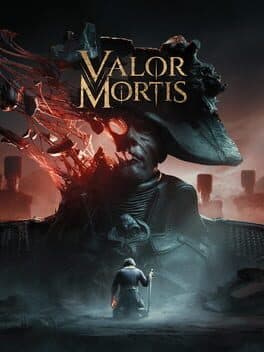
Neowiz • 2023 • Xbox Series X|S, PlayStation 4, PC (Microsoft Windows), PlayStation 5, Mac, Xbox One

Lies of P
Neowiz • 2023 • Xbox Series X|S, PlayStation 4, PC (Microsoft Windows), PlayStation 5, Mac, Xbox One
Is Lies of P Worth It?
Yes, Lies of P is worth it if you want a hard, polished single-player campaign where every boss win feels earned. What makes it special is the mix of sharp melee combat, a haunting puppet-horror world, and build tools that add variety without turning the game into homework. The catch is simple: it asks for patience. You'll die, retry, and spend time learning attack timing instead of breezing through on stats alone. If that sounds exciting, the payoff is excellent. Progress feels dense, sessions usually move the needle, and the whole adventure reaches credits in a manageable 25 to 35 hours. Buy at full price if you already enjoy demanding action games and like mastering boss fights. Wait for a sale if you're curious but unsure about strict timing or repeated retries. Skip it if you mainly want a relaxing, low-pressure game or something you can play half-distracted.
What is Lies of P like?
Opinions of Lies of P
What Players Love
- Players Love
Parry-focused combat feels tough but deeply satisfying to learn
Players consistently praise the thrill of learning attack strings, timing guards well, and turning stagger openings into wins that feel fully earned.
- Players Love
Atmosphere, music, and art direction make Krat unforgettable
The Belle Époque puppet-horror style, strong soundtrack, and calm Hotel Krat hub are widely praised for giving the journey a distinct mood that sticks.
- Players Love
Weapon assembly gives builds real personality without overload
The blade-handle system, Legion Arms, and perk choices let players shape a preferred style without drowning in menus or spreadsheet-style planning.
Common Concerns
- Common Concern
Some late bosses and guard timing feel overtuned
Many players enjoy the challenge overall but still call out some late bosses, delayed attack strings, and tight guard windows as tiring or too strict.
- Common Concern
Level design is polished, but side guidance is thin
The route forward is usually easy enough to follow, but side quests and optional outcomes can be easy to miss, leaving some players wanting clearer feedback.
Divisive Aspects
- Divisive
Story and lie choices land harder for some players
Some players love the understated fairy-tale retelling and lie choices, while others see them as more atmospheric than transformative to the journey.
What does Lies of P demand from you?
Time
MODERATETime
A full run fits into a few weeks of regular play, with clear checkpoints and full pause support, but coming back cold after a break takes work.
Focus
HIGHFocus
This is close-attention play: short enemy groups and boss duels ask for steady reads, clean timing, and eyes on the screen almost the whole time.
Challenge
HIGHChallenge
You can grasp the basics quickly, but comfort comes slowly; this game teaches through repetition, failed attempts, and small adjustments that finally click.
Intensity
HIGHIntensity
Expect steady pressure, not nonstop panic. Regular progress feels risky, and bosses can be nerve-wracking, but the game pays that stress back with huge relief.
Frequently Asked Questions
You Might Also Like
Games with a similar rhythm and feel, even if they look different