Humble Games • 2022 • Xbox Series X|S, PlayStation 4, PC (Microsoft Windows), Xbox One, Nintendo Switch
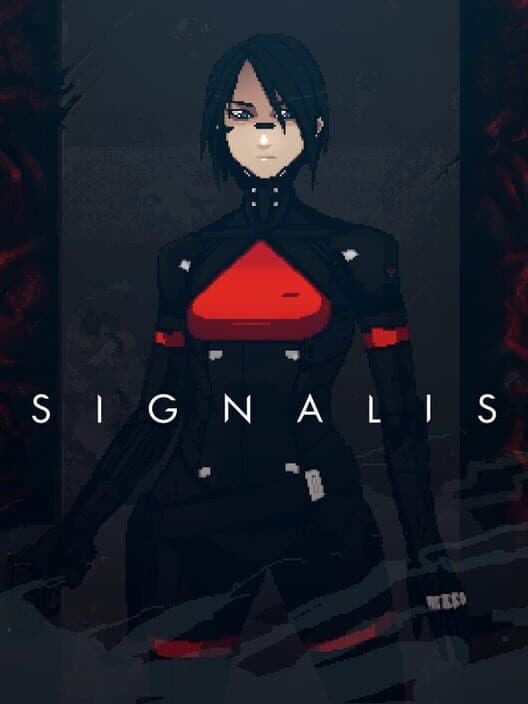
Signalis
Humble Games • 2022 • Xbox Series X|S, PlayStation 4, PC (Microsoft Windows), Xbox One, Nintendo Switch
Is Signalis Worth It?
Yes, Signalis is worth it if you want a compact horror game that trusts you to pay attention. Its big strengths are the oppressive atmosphere, clever puzzle chains, and a sad, lingering story that sticks after credits. For the right player, that payoff easily justifies full price because you get a complete, memorable experience in 8 to 12 hours instead of a bloated 40-hour campaign. The catch is that it asks for patience. Inventory space is tight, saving is manual, and backtracking is part of the design, not a small annoyance you can ignore. Combat is serviceable rather than thrilling, so this works best as tense survival and problem solving, not action spectacle. Buy at full price if you love classic survival horror, note-taking, and stories that leave room for interpretation. Wait for a sale if you are horror-curious but unsure about old-school friction. Skip it if you want clear directions, generous carrying space, or combat that feels great every minute.
What is Signalis like?
Opinions of Signalis
What Players Love
- Players Love
Atmosphere and audiovisual style grab you right away
Players repeatedly point to the CRT-like visuals, industrial sound design, and oppressive art direction as the game's clearest strength and biggest source of identity.
- Players Love
The story lingers long after credits for many
Many players say the melancholy mystery sticks with them well after finishing, even when they cannot fully explain every symbol or plot detail.
- Players Love
Puzzles and pacing nail classic survival horror rhythm
Fans praise how clues, locked doors, and map loops create satisfying breakthroughs, especially if you enjoy older horror design instead of constant guidance.
Common Concerns
- Common Concern
Tight inventory can turn backtracking into pacing drag
The most common complaint is limited carrying space. For some players, smart tension becomes repeated item shuttling that slows the game's momentum.
- Common Concern
Combat works better as survival pressure than fun
A notable group finds the shooting and movement more serviceable than exciting, with encounters feeling strongest when treated as resource problems to manage.
Divisive Aspects
- Divisive
Ambiguous storytelling either fascinates you or keeps you distant
Some players love piecing together meaning from fragments and unanswered questions, while others feel the same ambiguity holds the ending too far away.
What does Signalis demand from you?
Time
MODERATETime
It is a compact trip you can finish in a couple of weeks, but clean stopping points still depend on reaching save rooms and remembering your current clue chain.
Focus
HIGHFocus
Most of your attention goes to maps, notes, and safe routes, with bursts of deliberate shooting. You can pause anytime, but active play punishes drifting attention.
Challenge
MODERATEChallenge
The controls are easy to learn, but the game wants old-school survival habits. It gets smoother once you stop treating every enemy like a fight to win.
Intensity
HIGHIntensity
This is slow-burn dread, not nonstop jump scares. Mistakes matter, ammo feels precious, and the heavy mood hangs over even the quieter puzzle stretches.
Frequently Asked Questions
You Might Also Like
Games with a similar rhythm and feel, even if they look different