Square Enix • 2013 • PlayStation 3, Linux, PC (Microsoft Windows), Mac, Xbox 360
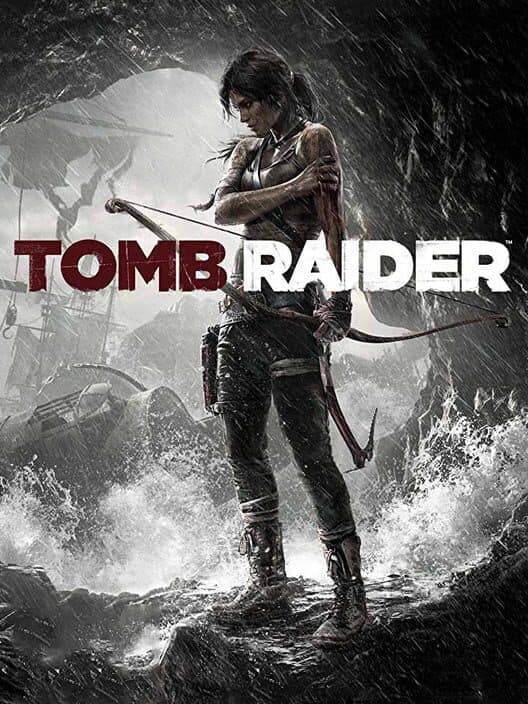
Tomb Raider (2013) is absolutely worth it if you enjoy cinematic single-player action and want a complete story you can finish in a few weeks. It delivers a tight 10–15 hour campaign with strong atmosphere, a clear emotional arc for Lara, and a satisfying mix of climbing, combat, and short tomb puzzles. The game asks for moderate reflexes and a tolerance for graphic violence and dark themes, but it doesn’t demand hardcore skill or massive time investment. In return, you get the feeling of playing through a gritty adventure film where your choices in combat and exploration matter just enough to feel personal. It’s especially good value today, since it’s an older title that’s often discounted while still feeling modern in pacing and structure. Buy at full (or modest) price if you like story-driven action games like Uncharted or God of War. If you mainly play deep RPGs, multiplayer, or huge sandboxes, it’s better as a sale pickup or a focused palate cleanser.

Square Enix • 2013 • PlayStation 3, Linux, PC (Microsoft Windows), Mac, Xbox 360
Tomb Raider (2013) is absolutely worth it if you enjoy cinematic single-player action and want a complete story you can finish in a few weeks. It delivers a tight 10–15 hour campaign with strong atmosphere, a clear emotional arc for Lara, and a satisfying mix of climbing, combat, and short tomb puzzles. The game asks for moderate reflexes and a tolerance for graphic violence and dark themes, but it doesn’t demand hardcore skill or massive time investment. In return, you get the feeling of playing through a gritty adventure film where your choices in combat and exploration matter just enough to feel personal. It’s especially good value today, since it’s an older title that’s often discounted while still feeling modern in pacing and structure. Buy at full (or modest) price if you like story-driven action games like Uncharted or God of War. If you mainly play deep RPGs, multiplayer, or huge sandboxes, it’s better as a sale pickup or a focused palate cleanser.
You’ve got about an hour on a weeknight and want something more engaging than TV, with a clear story beat, a few fights, and a satisfying stopping point.
You’re in the mood for a gritty, movie-like adventure, comfortable with M-rated violence, and want to finish a full game over a couple of weekends instead of starting another endless open world.
You enjoy exploring side paths and solving short environmental puzzles, but don’t have the energy for deep systems; you want focused sessions poking through tombs and upgrading gear without heavy theorycrafting.
Compact, mostly solo campaign you can comfortably finish in a few weeks of 60–90 minute sessions, with very flexible pausing and saving.
Tomb Raider is friendly to a busy schedule. The core story runs about 10–15 hours for most adults, which translates to one to three weeks if you play a few evenings. The game is structured around hub zones with clear main paths, side tombs, and collectibles, all anchored by base camps that act as natural breakpoints. Autosaves are frequent, you can pause at any time, and quitting usually drops you back only a minute or two before where you left off. That makes it easy to stop for real-life interruptions without anxiety. Returning after a gap is also simple: an objective marker and a quick map check are usually enough to reorient you, even if you’ve forgotten some finer plot details. There’s no need to coordinate with friends or join scheduled groups; the entire main experience is solo and offline-capable. Optional cleanup and higher difficulties exist, but for most players the commitment ends once the credits roll and a few favorite tombs are explored.
Requires steady, moderate attention with bursts of reactive combat and climbing, broken up by calmer exploration, looting, and simple physics-based tomb puzzles.
In terms of mental focus, Tomb Raider sits comfortably in the middle. You’ll be engaged most of the time, but it rarely feels mentally exhausting. Combat sequences ask you to juggle basic cover use, aiming, dodging, and reacting to on-screen prompts, so you can’t really zone out during fights or cinematic escape scenes. Outside of those spikes, the game shifts into calmer exploration: scanning with Survival Instincts, following objective markers, and poking at side paths for salvage and collectibles. Optional tombs add short bursts of puzzle-style thinking, but each one is usually built around a single, readable idea rather than multi-step logic chains. Upgrade screens and light resource management introduce occasional small decisions, not long planning sessions. Overall, it asks you to be present and engaged, like watching and interacting with an action movie, but you don’t need the deep concentration that complex strategy or hardcore action games demand.
Easy to learn in a session or two, with modest benefits for improving your aim, movement, and encounter awareness.
Learning Tomb Raider is straightforward. Basic movement, aiming, and climbing are all introduced gently through early scripted sequences, so even if you don’t usually play action games you’ll be comfortable within an evening or two. There are only a few weapons and three small skill categories, so you’re not juggling complex builds or long upgrade paths. Improving at the game mostly means getting a better feel for when to use stealth, where to take cover, and how to land clean headshots or dodges. As your skill grows, tricky encounters become smoother and you’ll die less often, but the ceiling isn’t very high—this isn’t a title you’ll spend months mastering. On Normal, you can get through with only moderate improvement; Hard difficulties demand more precision but still don’t approach the demands of games built around deep combos or punishing timing. For a busy adult, it offers a nice sense of getting better without requiring a long-term training mindset.
Feels like a gritty action movie: graphic deaths and frantic escapes, but forgiving difficulty keeps tension from turning into constant frustration.
Emotionally, Tomb Raider can be intense. The tone leans dark, with impalements, falls, and brutal executions if you miss jumps or fail quick-time events. The camera doesn’t shy away from gore, and there’s at least one scene implying sexual threat, which can be upsetting. During big set pieces—collapsing buildings, burning villages, last-stand firefights—your heart rate will likely spike as you scramble to react. That said, the game balances these high-stress moments with plenty of quieter stretches: walking through rain-soaked forests, listening to dialogue, or poking through ruins for salvage. On Normal difficulty, deaths are common but low stakes thanks to generous checkpoints, so the fear of losing progress is minimal. The result feels like watching an R-rated adventure film where you’re in control of the action scenes. If you’re sensitive to gore or themes like torture and ritual sacrifice, this will feel heavier; if you handle movie violence fine, it should be exciting rather than overwhelming.
Games with a similar rhythm and feel, even if they look different