Sony Interactive Entertainment • 2018 • PlayStation 4, PC (Microsoft Windows)
God of War
Sony Interactive Entertainment • 2018 • PlayStation 4, PC (Microsoft Windows)
Is God of War Worth It?
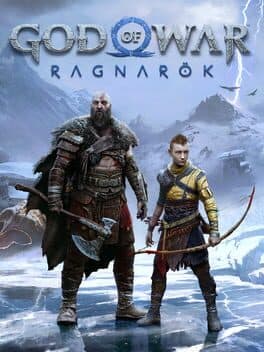
Yes. God of War is worth it if you want a polished solo adventure with real emotional weight and combat that feels great in your hands. The big hook is not just spectacle. It is the way the Leviathan Axe, the quiet boat conversations, and the father-son story all reinforce each other. Even routine sessions usually feel productive because you can make clear progress in about an hour. Buy at full price if you want a strong story, meaty action, and a game that works well in stop-and-start sessions thanks to full pause and reliable saves. Wait for a sale if you are unsure about close-camera melee combat, light loot management, or puzzle breaks between battles. Skip it if you mainly want fast arcade action, huge build freedom, or a relaxed background game you can play while distracted. Its biggest blemishes are repeated minibosses and occasional camera frustration in crowded fights. Even so, the full package is so polished, confident, and emotionally grounded that it remains one of the easiest single-player recommendations of its generation.
What is God of War like?
Opinions of God of War
What Players Love
- Players Love
Leviathan Axe combat feels heavy, crisp, and memorable
Players consistently praise the axe recall, hit impact, and readable enemy reactions. Even ordinary fights feel satisfying because every throw and return has real physical weight.
- Players Love
Kratos and Atreus carry the story emotionally throughout
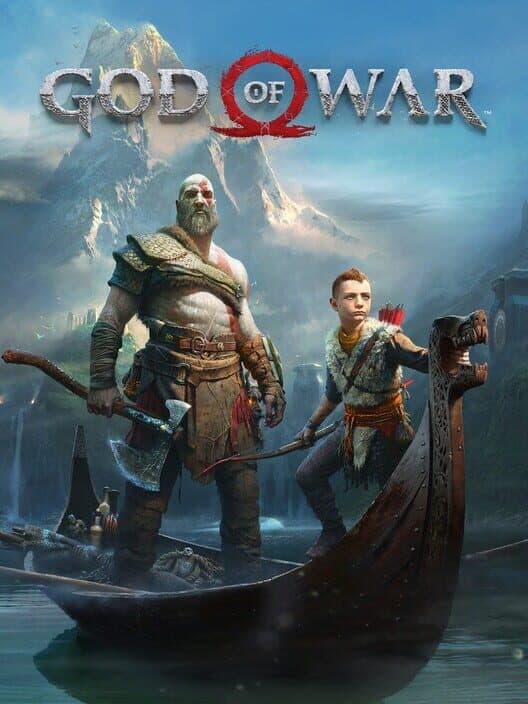
The relationship between Kratos and Atreus is one of the game's biggest strengths. Players often highlight the writing, voice work, and quieter travel scenes as key to the payoff.
- Players Love
One-shot presentation makes the whole journey feel seamless
Players regularly praise the continuous camera, art direction, and music for making combat, exploration, and story feel like one polished, uninterrupted adventure.
Common Concerns
- Common Concern
Repeated minibosses make some later fights feel less fresh
A common complaint is that certain troll-style encounters and enemy types appear too often. The combat stays strong, but some later battles lose a bit of surprise.
- Common Concern
Close camera can muddy crowded fights and ranged threats
A noticeable group of players say the over-the-shoulder view looks great but can make multi-enemy battles harder to read, especially when attacks come from outside the frame.
Divisive Aspects
- Divisive
Puzzles and loot breaks help some, slow others
Some players enjoy the slower puzzle and upgrade stretches as variety between battles. Others feel that backtracking and gear management interrupt the strongest parts of the journey.
What does God of War demand from you?
Time
MODERATETime
The main journey fits well into a few weeks of regular play, and the solo design, full pause, and frequent save points make it easy to fit around real life.
Focus
MODERATEFocus
Most of the time you're reading enemy tells, juggling cooldowns, and watching flanks, but boating, puzzles, and story scenes give your brain regular breathers.
Challenge
MODERATEChallenge
You can play competently within a few hours, but the combat gets much better once parries, axe recall, Atreus commands, and build choices start working together naturally.
Intensity
MODERATEIntensity
This is exciting and forceful more than overwhelming: hard hits, brutal finishers, and serious stakes, with enough quiet travel and story time to keep it from draining you.
Frequently Asked Questions
You Might Also Like
Games with a similar rhythm and feel, even if they look different