Square Enix • 2018 • Google Stadia, Xbox Series X|S, PlayStation 4, Linux, PC (Microsoft Windows), PlayStation 5, Mac, Xbox One
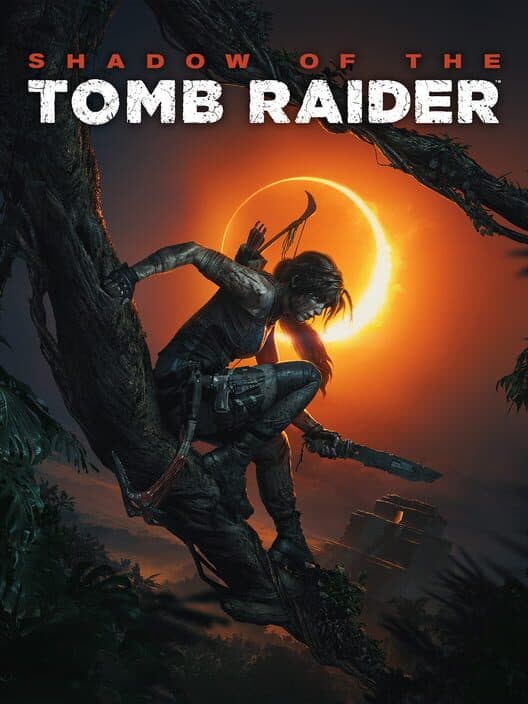
Shadow of the Tomb Raider is worth it if you enjoy cinematic single-player adventures with a mix of climbing, stealth, gunfights, and environmental puzzles, and you can handle mature violence. It shines as a focused, 12–20 hour campaign you can finish in a few weeks of evening play, delivering the feeling of starring in a big-budget action movie without demanding endless grinding or ultra-high skill. What it asks from you is moderate attention, comfort with gore, and a willingness to learn some light systems. In return, you get satisfying tomb puzzles, steady character growth, and beautiful, atmospheric environments that are fun just to explore. The story and characters are solid but not ground-breaking, so if you’re here purely for an unforgettable narrative, you might want to wait for a sale. Buy at full price if you love the reboot trilogy style or want a polished adventure that respects your time. Wait for a discount if you’re lukewarm on third-person action games. Skip it if you dislike graphic violence or strongly prefer open-world sandboxes or deep RPG systems.

Square Enix • 2018 • Google Stadia, Xbox Series X|S, PlayStation 4, Linux, PC (Microsoft Windows), PlayStation 5, Mac, Xbox One
Shadow of the Tomb Raider is worth it if you enjoy cinematic single-player adventures with a mix of climbing, stealth, gunfights, and environmental puzzles, and you can handle mature violence. It shines as a focused, 12–20 hour campaign you can finish in a few weeks of evening play, delivering the feeling of starring in a big-budget action movie without demanding endless grinding or ultra-high skill. What it asks from you is moderate attention, comfort with gore, and a willingness to learn some light systems. In return, you get satisfying tomb puzzles, steady character growth, and beautiful, atmospheric environments that are fun just to explore. The story and characters are solid but not ground-breaking, so if you’re here purely for an unforgettable narrative, you might want to wait for a sale. Buy at full price if you love the reboot trilogy style or want a polished adventure that respects your time. Wait for a discount if you’re lukewarm on third-person action games. Skip it if you dislike graphic violence or strongly prefer open-world sandboxes or deep RPG systems.
When you have about an hour in the evening and want a focused story mission or tomb that starts and finishes in a single sitting.
When you’re in the mood for a cinematic blockbuster feel but don’t want the long-term grind or social scheduling of an online game.
When you’ve got a free weekend chunk and want to sink into a few chapters, enjoying climbing, stealth, and puzzles without worrying about endless post-game content.
A focused 12–20 hour campaign with 60–90 minute chunks, strong pause support, and no social obligations or long-term grind.
This is a very manageable commitment for a busy adult. The main story plus a handful of tombs usually lands in the 12–20 hour range, which means a few weeks of evening sessions if you play 3–5 nights. You’re not signing up for a forever-game. Structurally, missions and tombs make natural 45–90 minute slices, so you can sit down after work, clear one substantial objective, and log off feeling done. Full pause and frequent autosaves mean kids, roommates, or work messages can interrupt you without wrecking progress. The only caveat is that you can’t manually save mid-climb or mid-fight, so it’s worth finishing those short sequences before quitting. Because it’s purely single-player, there’s zero pressure to match schedules or keep up with friends. Coming back after a week or two is easy thanks to clear objectives and a familiar control scheme. It’s a classic one-and-done adventure rather than a lifestyle commitment.
You’ll need steady attention for combat and traversal, plus short bursts of deeper concentration for tomb puzzles, but there’s breathing room in hubs and slower story moments.
Playing Shadow of the Tomb Raider asks for a moderate but very manageable amount of attention. In fights and traversal set-pieces you’re watching for enemy positions, climbable surfaces, traps, and quick button prompts, so this isn’t something to play while glued to your phone. Challenge tombs briefly raise the bar: you’ll scan the whole room, think through how the machinery connects, and try a few approaches before it clicks, which can be pleasantly absorbing after a workday. Between those peaks, village hubs, slower walking sections, and conversations give your brain a break. You can use these stretches to decompress, check the map, or tweak gear without worrying about sudden failure. Overall, expect to be engaged but not exhausted; it’s closer to watching and steering an interactive blockbuster than playing a demanding strategy game. If you’re mentally fried, you can always stick to exploration and light objectives instead of tombs until you’ve got more energy.
You’ll learn the basics in a few hours, with some payoff for improving, but long-term mastery isn’t required or heavily rewarded.
Shadow of the Tomb Raider is built for you to feel competent quickly rather than to grind skill for months. The core actions—aiming your bow or guns, sneaking through brush, reading white-marked climbable surfaces, and using Survival Instincts to highlight interactables—are all taught gently in the opening chapters. Within a couple of evenings, most players are handling standard fights and traversal without much trouble. As you improve, you’ll notice smoother runs: clearing arenas without raising alarms, chaining headshots, or flowing through climbs without second-guessing jumps. That feels good, but the game doesn’t radically transform when you get better. Encounters are relatively scripted, and higher difficulties are there if you want extra bite, not as the main way to play. So the game rewards competence more than mastery. If you like feeling skilled but don’t want a second job learning complex combos or systems, this is a comfortable fit.
Expect a generally tense, cinematic ride with spikes of fear and adrenaline, but quick retries keep frustration from building too high.
The game aims for a suspenseful, high-stakes adventure feel rather than constant punishment. Combat on normal difficulty can kill you if you ignore cover or enemy positions, but generous checkpoints mean failure usually just means replaying the last minute or two. That keeps frustration in check even when you’re rusty. Emotionally, the tone is darker than many action games. Graphic death scenes, ritual sacrifice imagery, and claustrophobic underwater segments can definitely raise your heart rate, especially if you’re sensitive to gore or tight spaces. Stealth sections add a layer of “don’t get caught” tension, though again, the penalty is usually just restarting the encounter. For most adults, it lands as a solid middle: more intense and graphic than something like Spider-Man, but far less stressful than true horror or brutally hard action games. It’s best when you want to feel some adrenaline and danger without committing to repeated, punishing failure.
Games with a similar rhythm and feel, even if they look different