Microsoft Studios • 2015 • Google Stadia, PlayStation 4, Linux, PlayStation VR, PC (Microsoft Windows), Mac, Xbox 360, Xbox One
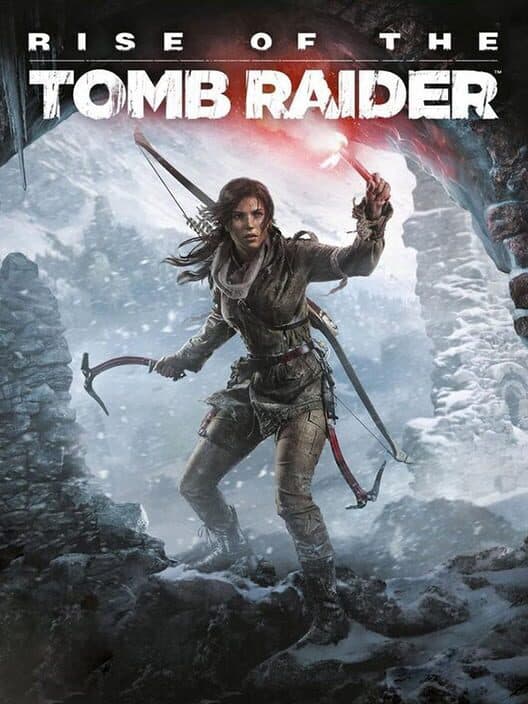
Rise of the Tomb Raider
Microsoft Studios • 2015 • Google Stadia, PlayStation 4, Linux, PlayStation VR, PC (Microsoft Windows), Mac, Xbox 360, Xbox One
Is Rise of the Tomb Raider Worth It?
Yes, Rise of the Tomb Raider is still worth it if you want a polished adventure you can finish without turning it into a second job. It hits a sweet spot between big set-piece momentum and enough side exploration to make Lara feel like an actual raider. The best parts are the snowy ruins, optional tombs, climbing, and bow-driven stealth. They give the game more texture than a straight corridor shooter. What it asks from you is steady attention, not elite skill. On normal difficulty, most fights are readable, checkpoints are generous, and 60 to 90 minute sessions work well. The catch is tone: there is a lot of shooting for a game with Tomb Raider in the name, and the story is more functional than unforgettable. Buy at full price if you love cinematic single-player adventures and know you'll play soon. Wait for a sale if you're curious but not attached to Lara. Skip it if you want deep puzzle design, low violence, or a more archaeology-first experience.
What is Rise of the Tomb Raider like?
Opinions of Rise of the Tomb Raider
What Players Love
- Players Love
Snowy ruins and presentation still feel premium today
Players still rave about the Siberian setting, weather effects, animation work, and overall polish. The frozen landscapes give the adventure a big-budget pull years later.
- Players Love
Optional tombs and side detours are the real highlight
Many players say the optional tombs, crypts, and hidden spaces are the most memorable parts. These sections best capture the fantasy of exploring dangerous ancient places.
- Players Love
Bow combat and traversal make moment-to-moment play easy to enjoy
Players often praise the smooth mix of climbing, stealth, cover shooting, and bow use. It feels polished and approachable without demanding top-level execution.
Common Concerns
- Common Concern
The campaign spends more time shooting than raiding tombs
A common complaint is that mercenary firefights take up too much of the campaign. Players wanting more puzzles and ruins may find the balance tilted the wrong way.
- Common Concern
The story works, but few villains leave a lasting impression
Many players find the immortality plot serviceable rather than gripping. Lara carries the story more than the supporting cast or antagonists do.
Divisive Aspects
- Divisive
Collectibles and light crafting add rhythm or feel like filler
Some players enjoy scavenging, upgrades, and map cleanup because they reward exploration. Others see the same systems as checklist padding between the best moments.
What does Rise of the Tomb Raider demand from you?
Time
MODERATETime
It fits weeknight sessions well, with clear goals, frequent camps, strong pause support, and no social obligations, while still asking a couple of weeks for a satisfying run.
Focus
MODERATEFocus
Most of the time you're alert but comfortable, scanning for paths, loot, and enemy angles, with short bursts where firefights and escapes demand full attention.
Challenge
LOWChallenge
You can feel capable within a few hours, then steadily improve through cleaner stealth openings, smarter resource use, and quicker reads of tomb rooms and combat spaces.
Intensity
MODERATEIntensity
This is exciting rather than exhausting: tense shootouts, grim presentation, and harsh weather add pressure, but forgiving checkpoints keep the mood adventurous instead of punishing.
Frequently Asked Questions
You Might Also Like
Games with a similar rhythm and feel, even if they look different