2K • 2025 • Xbox Series X|S, PC (Microsoft Windows), PlayStation 5
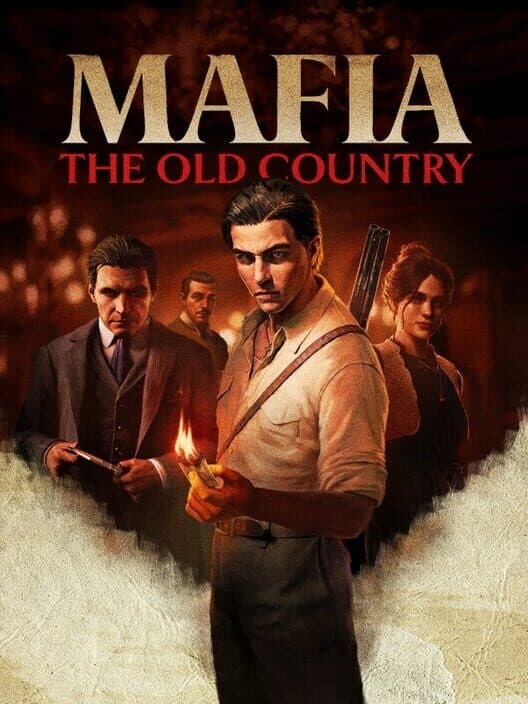
Mafia: The Old Country
2K • 2025 • Xbox Series X|S, PC (Microsoft Windows), PlayStation 5
Is Mafia: The Old Country Worth It?
Yes, if you want a tight crime saga more than a giant world to live in. Mafia: The Old Country's best qualities are its Sicilian setting, strong performances, and chapter-to-chapter momentum. It feels like a solid mob miniseries you can finish in a week or two, not a lifestyle game. What it asks from you is pretty reasonable. Expect steady attention during stealth, cover shooting, and knife duels, plus some patience with checkpoint resets when a sneaky section goes wrong. What it does not offer is deep freedom. Missions are linear, systems are simple, and the action can repeat itself. Buy at full price if atmosphere, story, and a manageable 10 to 15 hour campaign sound perfect, especially on console or a well-running PC. Wait for a sale if you care more about moment-to-moment mechanics or you are worried about PC performance. Skip it if you want a reactive sandbox, lots of side activities, or something light enough to play around kids.
What is Mafia: The Old Country like?
Opinions of Mafia: The Old Country
What Players Love
- Players Love
Sicily's atmosphere and period detail carry the experience
Players consistently praise the scenery, costumes, towns, and cinematic framing. Even critics of the missions often say the setting alone makes the trip memorable.
- Players Love
Strong voice acting keeps the mob drama engaging
Performances give weight to quiet conversations and violent turns alike. Many players say the cast helps the straightforward story land better than the mechanics do.
Common Concerns
- Common Concern
Mission design leans too hard on repeated stealth loops
A common complaint is that many chapters return to similar infiltrate, takedown, and cover-shooting beats, which can make the middle stretch feel dated.
- Common Concern
PC performance and stability still trouble some players
Stutter, uneven frame rates, and rough technical edges remain frequent talking points on PC, even after patches targeting stability, AI, and cinematics.
Divisive Aspects
- Divisive
Short linear scope feels focused or too slight
Some players love getting a full crime story without a huge time sink. Others miss deeper interaction and more reasons to linger beyond the main path.
What does Mafia: The Old Country demand from you?
Time
LOWTime
A tidy 10 to 15 hour solo campaign with clear chapter stops, full pause, and just enough checkpoint friction to reward quitting after autosaves.
Focus
MODERATEFocus
A medium-focus story shooter that asks you to watch patrols, use cover, and follow dialogue closely, without burying you in complex systems.
Challenge
LOWChallenge
Easy to grasp if you have played modern action games, though knife timing and instant-fail stealth can create sharper bumps than the basics suggest.
Intensity
MODERATEIntensity
Serious and tense more than overwhelming, with pulse spikes from stealth failures, knife duels, and scripted chases instead of nonstop panic.
Frequently Asked Questions
You Might Also Like
Games with a similar rhythm and feel, even if they look different