Take-Two Interactive • 2016 • PlayStation 4, PC (Microsoft Windows), Xbox One, Nintendo Switch
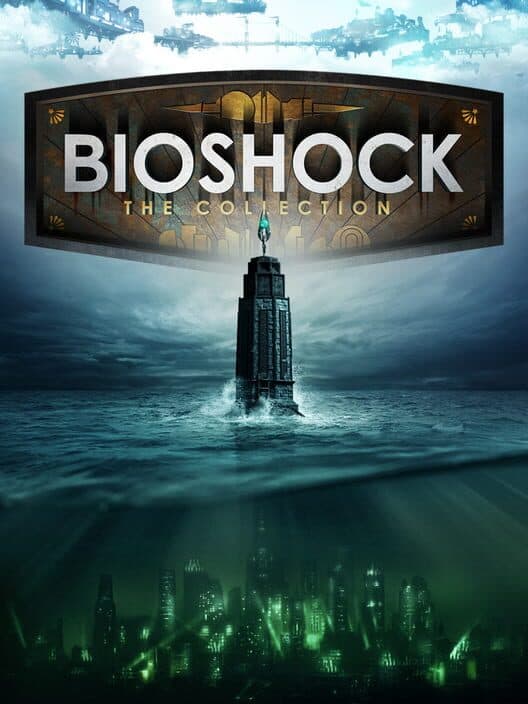
Atmospheric, story-first single-player shooter trilogy
Best in focused 60–90 minute sessions
Creepy tone, moderate gunplay difficulty
BioShock: The Collection is absolutely worth it if you enjoy story-heavy shooters and can handle dark, unsettling themes. For the price of a single game, you get three remastered campaigns that still hold up in atmosphere, writing, and overall design. Each one offers a focused, finite journey rather than an endless grind, so it fits nicely into a 5–15 hours-per-week schedule. What it asks from you is moderate: basic first-person shooting skills, comfort with creepy imagery, and enough focus for 60–90 minute sessions. In return, you get memorable worlds, clever twists, and the satisfying arc of growing from vulnerable survivor to near-godlike powerhouse three different times. If you’ve never played BioShock before, it’s an easy full-price recommendation. If you already finished one or two entries on older hardware, the remasters are still worthwhile on a good sale, especially to revisit favorites on modern systems. Skip it only if you dislike first-person games, horror elements, or heavy ideological themes in your entertainment.

Take-Two Interactive • 2016 • PlayStation 4, PC (Microsoft Windows), Xbox One, Nintendo Switch
Atmospheric, story-first single-player shooter trilogy
Best in focused 60–90 minute sessions
Creepy tone, moderate gunplay difficulty
BioShock: The Collection is absolutely worth it if you enjoy story-heavy shooters and can handle dark, unsettling themes. For the price of a single game, you get three remastered campaigns that still hold up in atmosphere, writing, and overall design. Each one offers a focused, finite journey rather than an endless grind, so it fits nicely into a 5–15 hours-per-week schedule. What it asks from you is moderate: basic first-person shooting skills, comfort with creepy imagery, and enough focus for 60–90 minute sessions. In return, you get memorable worlds, clever twists, and the satisfying arc of growing from vulnerable survivor to near-godlike powerhouse three different times. If you’ve never played BioShock before, it’s an easy full-price recommendation. If you already finished one or two entries on older hardware, the remasters are still worthwhile on a good sale, especially to revisit favorites on modern systems. Skip it only if you dislike first-person games, horror elements, or heavy ideological themes in your entertainment.
When you have a free evening and can focus for about 90 minutes, wanting a gripping story and tense shooting without committing to a massive open world.
Ideal on weekend nights with headphones and lights down, when you’re in the mood for creepy atmosphere, thoughtful themes, and exploring strange spaces at your own pace.
Great for a vacation week or quieter month when you’d like one strong narrative arc you can actually finish rather than juggling several longer games.
Three finite campaigns you can tackle one at a time in hour-long chunks, with flexible saving and no social scheduling requirements.
Time-wise, this collection is substantial but very manageable for an adult schedule. Each campaign runs around 10–15 hours if you focus on the main path, and you don’t have to play all three back-to-back. It’s completely reasonable to treat each game like a self-contained season of TV, finishing one and taking a break before starting the next. Within a campaign, the level-based structure naturally supports 60–90 minute sessions where you clear one area or major objective. Practical logistics are kind. You can pause at any time, save almost anywhere in the first two games, and rely on frequent checkpoints in Infinite. There’s no multiplayer and no live-service grind, so you’re never letting down teammates or falling behind a meta. Coming back after a week or two away takes a few minutes to remember your powers and goals, but the story path is clear enough that you won’t feel totally lost. It fits well into a busy life as long as you carve out focused evenings rather than tiny five-minute bursts.
Demands steady attention during tense combat and story moments, with calmer stretches of exploration that let you briefly catch your breath between spikes.
Playing BioShock: The Collection means giving the game most of your attention during the active parts of a session. Fights are first-person and fairly close-up, so you’re aiming, strafing, watching for flanks, and swapping powers under pressure. The world is also full of hazards—cameras, turrets, environmental traps—that reward paying attention to sounds and visual cues. On top of that, key story moments arrive through dialogue, audio diaries, and set-piece scenes that work best when you’re actually listening. The good news is the games build in lower-key periods. Walking through emptied corridors, looting rooms, or tinkering with your loadout are gentler on your brain and let you reset between spikes of combat or horror. You don’t need chess-level planning, but you also can’t half-watch a show while you play. It’s a solid choice for evenings when you have a clean hour and want to be absorbed without feeling mentally drained afterward.
Easy to pick up, with extra depth in power combos and resource management if you choose to lean into it.
From a skills standpoint, BioShock: The Collection is welcoming. Basic shooting, movement, and power use feel familiar if you’ve played any modern first-person game. Within your first session or two you’ll understand how to aim, cast powers, hack, and manage health and EVE. The games steadily introduce new tools, but never in overwhelming bursts, so you rarely feel lost. Where they reward practice is in how you combine everything. Learning which powers stun certain enemies, how to chain traps, when to hack instead of brute-force, and how to conserve resources all make the experience smoother and more satisfying. Higher difficulties and optional challenge modes lean more on this knowledge, but a busy adult can comfortably stick to Normal and still see the credits. If you enjoy feeling yourself improve, there’s room to grow; if you just want the story, the games won’t punish you for not mastering every mechanic.
Creepy, tense, and sometimes startling, but mechanically forgiving enough that failure rarely feels brutal or rage-inducing.
Emotionally, these games sit in a tense middle ground. The tone is dark: ruined cities, body horror, unsettling audio logs, and moral choices involving children all keep a low hum of unease running in the background. Combat encounters can spike your heart rate, especially when a Big Daddy charges or enemies shout from the shadows. You’ll likely jump a few times and feel regularly on edge, especially with headphones and the lights down. However, the stakes of failure are relatively soft. Frequent checkpoints and vita-chambers mean that dying usually just nudges you back a short distance, not all the way through a long level. That keeps frustration and anger low even when a section gives you trouble. So while the games are not relaxing in mood, they’re also not punishing in a way that demands iron patience. They’re best for nights when you’re okay with being creeped out but don’t have the energy for truly punishing difficulty.
Games with a similar rhythm and feel, even if they look different