A Plague Tale: Requiem

Focus Entertainment2022Xbox Series X|S, PC (Microsoft Windows), PlayStation 5, Nintendo Switch
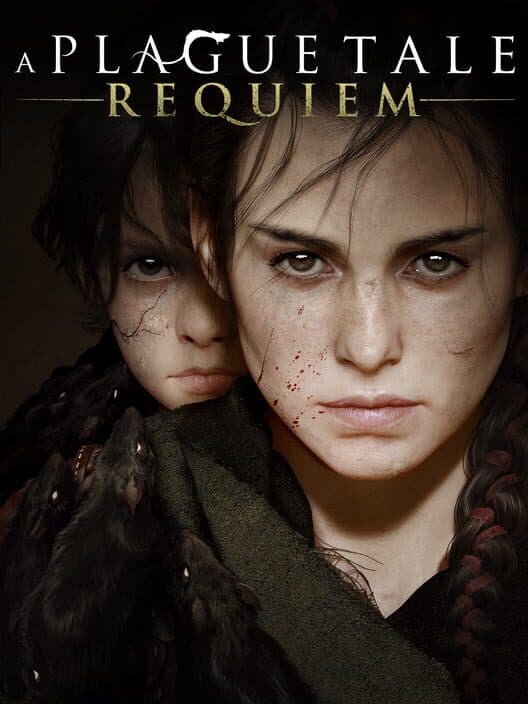
Story-driven stealth in plague-ridden France setting

Emotionally heavy, linear fifteen-to-twenty-hour journey experience

Low-reflex, planning-focused encounters and chases mostly

Is A Plague Tale: Requiem Worth It?

A Plague Tale: Requiem is worth it if you love story-first games and can handle very dark themes. You get a focused 15–20 hour campaign with strong performances, striking visuals, and tense stealth arenas that rarely waste your time. In exchange, it asks for emotional resilience, steady attention, and some patience with trial-and-error sections where you may die a few times before finding a workable route. There’s light progression through gear upgrades and playstyle-based skills, but this isn’t about endless grinding, exploring a massive map, or perfecting complex builds. It’s closer to bingeing a bleak prestige TV season than to picking up a forever game. Buy at full price if a gripping narrative, haunting atmosphere, and manageable length are exactly what you’re looking for. If you mainly play for open-ended systems, co-op, or upbeat escapism, you may want to wait for a discount or skip it in favor of something lighter.

When is A Plague Tale: Requiem at its best?

When you have a quiet evening and 60–90 minutes, and you’re in the mood for a dark, TV-episode-style story chapter with careful sneaking and a few tense chases.

Ideal for a weekend session where you can play two or three subchapters in a row, leaning into the atmosphere and letting the emotional twists land without rushing.

Great when you and a partner or friend want to treat it like a prestige TV show, one playing while the other watches and reacts to the story beats.

What is A Plague Tale: Requiem like?

This is a tightly scoped adventure, not a lifestyle game. The main story usually takes 15–20 hours, and once you’ve seen the credits you’ve experienced almost everything that matters. For a busy adult playing a few evenings a week, that translates to one to three weeks of play. The structure is very friendly to real life: chapters and subchapters often last 30–60 minutes, giving you natural stopping points, and frequent checkpoints plus full pause support mean interruptions are rarely a problem. The checkpoint-only save system is less flexible than full manual saving, but in practice you seldom lose more than a few minutes. Returning after time away is easy because objectives are clear and the plot is linear. There’s no multiplayer, raids, or endgame grind pulling you back, so you can finish the story, feel satisfied, and move on without guilt. It respects your schedule while still feeling like a substantial journey.

Tips

  • Aim for 45–90 minute sessions, which usually line up with finishing a subchapter or major story sequence.
  • Quit right after reaching a new checkpoint or workbench to minimize replay if you get pulled away suddenly.
  • If you’ve been away for a while, glance at the chapter list or a brief plot recap to refresh where you left off.

Moment to moment, this game asks for a moderate but steady level of concentration. During stealth arenas and rat-filled sections you’re tracking several things at once: enemy sight lines, light sources, rat boundaries, and which tools you have available. You’re not doing complex calculations, but you do need to stay present and deliberate. Looking away at the wrong time can mean instant death. Between these spikes, there are many quieter stretches of walking, listening to dialogue, and light environmental interaction that let your mind relax a bit while still following the story. You generally can’t play this while second-screening or half-watching TV, but it’s not so mentally exhausting that you need to be at absolute peak energy either. Compared to twitchy action games, the pace is slower and more about reading situations than reacting instantly. For a busy adult, it fits nicely into an evening when you’re ready to engage but don’t want dense systems or fast-paced combat.

Tips

  • Play when you can listen carefully; dialogue often hints at solutions, upcoming threats, and reminds you of your current objective.
  • If you’re mentally tired, stop after a big story beat instead of pushing into a fresh stealth arena.
  • Lower the difficulty if planning routes and juggling tools starts to feel like work rather than enjoyable tension.

Learning how to play is straightforward. The game teaches sneaking, using the sling, and basic alchemy tools gradually, giving you plenty of space to practice. Within the first couple of hours, most players will feel comfortable handling typical encounters. From there, improvement is about refining your timing, learning effective routes through arenas, and remembering which tools counter which threats. Mastering these elements makes sections smoother, deaths rarer, and stealth runs more satisfying, but the ceiling is deliberately low. You don’t need elaborate tactics or perfect execution to see the story through on normal difficulty. There are harder modes if you want stricter detection and resource limits, yet for a busy adult the joy comes more from feeling competent and clever than from pushing skills to the limit. If you value mastery as the main draw in games, this will feel light; if you mainly want to avoid getting stuck, it’s a comfortable fit.

Tips

  • Spend a minute at each new arena watching patrols and rat movement before committing to a route.
  • Don’t be shy about dropping difficulty if you’re mainly here for the story rather than perfect stealth execution.
  • Experiment with different tools even when one approach works; you’ll learn tricks that make later chapters feel easier.

This game is intense more in mood and subject matter than in pure mechanical difficulty. You’re dealing with mass death, disease, executions, and constant danger to children, often shown quite graphically. Chases through collapsing towns, walls of rats swallowing people, and desperate stealth sections create real heart-in-mouth moments. However, generous checkpoints and relatively forgiving aiming mean the pressure comes less from fear of losing progress and more from what you’re seeing and feeling. Sessions can leave you emotionally wrung out, especially as the story grows darker toward the end. If you’re already having a rough day, the combination of high tension and bleak themes might feel like too much rather than cathartic. On the flip side, if you’re in the mood for something gripping and harrowing, it delivers that in spades without requiring the brutal precision of a hardcore action title.

Tips

  • Use the lowest difficulty or accessibility options if repeated chases or deaths are turning tension into frustration.
  • Take breaks after especially grim chapters; letting scenes breathe can keep the emotional weight from feeling overwhelming.
  • Avoid marathon sessions on stressful days; this world is heavy and lands better when you have some emotional energy.

Frequently Asked Questions