Frogwares • 2026 • Xbox Series X|S, PC (Microsoft Windows), PlayStation 5
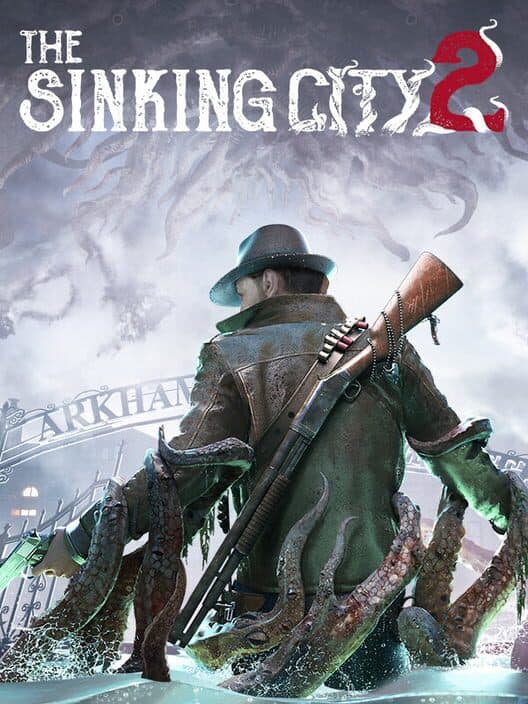
The Sinking City 2
Frogwares • 2026 • Xbox Series X|S, PC (Microsoft Windows), PlayStation 5
Is The Sinking City 2 Worth It?
Yes, if you want a compact, scary campaign with strong atmosphere and don't mind a few rough edges. The Sinking City 2 is at its best when you're creeping through drowned buildings, counting bullets, and feeling Arkham press in from every angle. It gives you a focused survival-horror run instead of a giant time sink, which makes it easier to finish than many big releases. Buy at full price if you love Resident Evil-style tension, horror exploration, and games that make optional side content feel useful rather than like filler. Wait for a sale if you like horror but get annoyed by ammo-tight balance, sturdier-than-fun bosses, or stories that don't fully stick the landing. Skip it if you mainly wanted the first game's looser detective feel, deep character building, or a calm game you can play half-distracted. This is a strong pick for players who want one memorable, unsettling run and are happy trading some system polish for mood, pacing, and a finishable 10 to 15 hour arc.
What is The Sinking City 2 like?
Opinions of The Sinking City 2
What Players Love
- Players Love
Drowned Arkham and creature design carry the whole mood
Players consistently say the rain-soaked streets, ruined interiors, and grotesque monsters are the main reason the game lingers in memory long after the credits.
- Players Love
The tighter survival-horror direction feels more polished than expected
Many players praise the sequel for dropping a looser structure in favor of a cleaner, more confident horror campaign with stronger pacing and better moment-to-moment flow.
Common Concerns
- Common Concern
Ammo pressure and horde fights can feel rough on normal
A common complaint is uneven combat balance, especially during larger enemy waves and boss fights where ammo runs low and enemies can feel too durable.
- Common Concern
The ending lands softly after such strong buildup
Even many positive players say the final stretch and character payoff feel less satisfying than the atmosphere and early setup promise.
Divisive Aspects
- Divisive
The sequel leaves investigation fans more split than newcomers
New players often enjoy the Resident Evil-style shift, while some fans of the first game miss the heavier detective focus and broader investigation structure.
What does The Sinking City 2 demand from you?
Time
LOWTime
This is a compact one-run horror campaign that fits a couple weeks, with decent stop points but best results when you can give it real attention.
Focus
HIGHFocus
You can't half-watch TV through this; even quiet stretches ask you to scan rooms, track supplies, read clues, and stay ready for sudden trouble.
Challenge
MODERATEChallenge
The learning curve is real but readable: a few hours of dodging, clue work, and supply discipline turn confusion into solid survival instincts.
Intensity
HIGHIntensity
It keeps your nerves humming with dread, scarcity, and ugly surprises, but it still gives you safe-room breathers so the pressure comes in waves.
Frequently Asked Questions
You Might Also Like
Games with a similar rhythm and feel, even if they look different