hello@slated.gg
Powered by IGDB•Privacy•Terms

© 2026 Slated.gg

Slated.gg
Popular GamesAboutDiscover Games
Ill

CLOUT Games • 2027 • Xbox Series X|S, PC (Microsoft Windows), PlayStation 5
Satisfying to completePerfect for a weekendEmotionally heavy
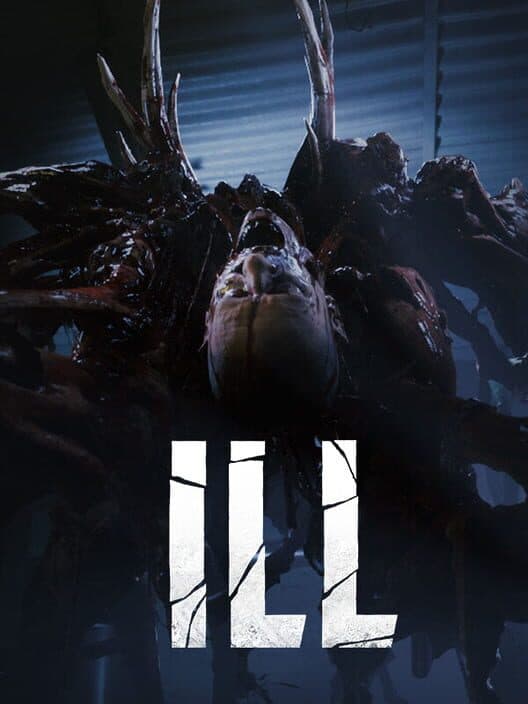
Ill cover art

Ill

CLOUT Games • 2027 • Xbox Series X|S, PC (Microsoft Windows), PlayStation 5

Satisfying to completePerfect for a weekendEmotionally heavy

Is Ill Worth It?

ILL looks worth watching closely, but not worth a blind preorder for most people. If you love grim, story-led horror and want a compact campaign built around fear, ammo scarcity, and grotesque creature encounters, this seems aimed right at you. The big draw is concentration: creeping through hostile rooms, hearing something move nearby, then surviving short ugly fights where every shell matters. It also seems sized well for a busy schedule, with one main run likely landing around 10 to 18 hours rather than turning into a months-long obligation. That said, this is still a prerelease read. The strongest praise so far is about the trailers, creature animation, and sound, while the biggest doubt is whether the final game sustains that quality over a full campaign. Buy at full price only if launch reviews confirm the moment-to-moment play is as good as the footage and you already know you enjoy graphic body horror. Wait for reviews or a sale if you're curious but cautious. Skip it if gore-heavy horror drains you or you need save-anywhere convenience.

What is Ill like?

Opinions of Ill

What Players Love

  • Players Love

    Creature design and sound instantly grab horror fans

    Trailer reactions keep praising the creature animation, sound design, and nasty visual detail. Even skeptics often admit the footage looks memorable and hard to forget.

  • Players Love

    Players are hungry for a focused single-player horror campaign

    A smaller but steady group is excited simply because this looks like a premium solo campaign, not a live-service grind or co-op-first release.

Common Concerns

  • Common Concern

    Many still question how much footage reflects real play

    The biggest worry is whether the trailers show a full game that plays this well for hours, or mostly standout slices that hide pacing, controls, and polish.

  • Common Concern

    Excitement is real, but it is still mostly prerelease

    Because there are still no owner reviews, almost every strong opinion is based on trailers and previews. That makes questions about quality and feel hard to answer.

Divisive Aspects

  • Divisive

    The extreme gore is either the hook or the limit

    For some players, the extreme gore gives the game a clear identity and real bite. For others, it risks feeling unpleasant or like shock taking over the horror.

What does Ill demand from you?

Time

MODERATE

Time

The main ride should be manageable in a couple of weeks, with solo-friendly pacing and full pause, though checkpoint saves may still make stop times imperfect.

MODERATE

The overall time ask looks reasonable. Current information points to a self-contained campaign that most people could finish in roughly 10 to 18 hours, which makes it easier to fit into a couple of weeks of regular evening play than a huge open-ended game. It is also solo by design, so there is no need to schedule around friends or keep up with an online community. Better still, full pause should make sudden life interruptions much easier to handle in the moment than the atmosphere might suggest. The catch is that stopping cleanly and protecting progress are not quite the same thing. A checkpoint system would likely mean you can freeze the action anytime, but you may still want to reach the next safer beat before quitting for the night. The campaign also seems structured enough to provide natural lulls after fights, puzzles, or story scenes, without feeling as cleanly segmented as a mission-based game. If you step away for a week, expect a brief memory tax while you recall your supplies, current objective, and the shape of the area. So the game looks manageable for a busy schedule, just not effortlessly drop-in, drop-out in the way a run-based or save-anywhere game can be.

Tips
  • Try to stop after puzzle solves, safe rooms, or big fights so your checkpoint progress and your own memory stay aligned.
  • If you take a week off, spend two minutes checking ammo, healing, and your last route before pushing deeper.
  • Plan for 60 to 90 minute sessions. That seems long enough to reach a meaningful beat without stacking too much tension.

Focus

HIGH

Focus

You’ll likely spend most sessions fully locked in, juggling room layouts, ammo, sound cues, and sudden threats rather than half-watching something else beside it.

HIGH

Based on current footage, this looks like a full-attention game. It asks you to track room layouts, sound cues, enemy movement, scarce supplies, weapon condition, and the safest way through each ugly encounter. You are not just aiming and firing. You are constantly deciding whether this hallway is worth clearing, whether that shell is worth spending, and whether a dark corner is hiding something that will punish a careless step. That mix makes the play feel deliberate rather than frantic, but not relaxed. It should reward headphones, a quiet room, and sessions where you are mentally present. In return, that concentration seems to deliver strong immersion. First-person presentation, oppressive audio, and tight spaces should make even simple movement feel loaded. The game does not look like it demands superhuman reflexes every second, yet it also does not seem friendly to second-screen play. If you enjoy the kind of horror where noticing one sound early can save you a lot of trouble later, this looks promising. If you want something you can half-watch while answering texts or following a show, it likely will not fit well.

Tips
  • Use headphones if you can; the soundscape seems to telegraph danger, movement, and room changes before the screen fully does.
  • Treat each room like a small problem to solve. Check exits, sightlines, and fallback space before spending precious ammo.
  • Avoid second-screen play. Even short distractions may make you miss movement, inventory needs, or the clue that unlocks the next route.

Challenge

MODERATE

Challenge

Getting comfortable should take a few sessions, not a dozen weekends, but it still looks likely to punish sloppy habits before it rewards confidence.

MODERATE

Getting comfortable here should take a few sessions, not a huge long-term grind. The game appears to layer several understandable systems on top of each other: shooting, conserving ammo, using healing wisely, handling weapon wear, making small upgrades, reading monster reactions, and solving straightforward environmental problems. None of that sounds impossible on its own. The challenge is doing all of it calmly while the game is actively trying to unsettle you. In other words, the learning comes from staying composed, not memorizing a giant rulebook. That trade can be rewarding. Early on, you may waste supplies, overreact to threats, or miss useful openings because everything feels louder and uglier than it probably is. As you learn what enemies can take, how rooms funnel attacks, and when to spend versus save, the game should start feeling less like panic and more like controlled survival. Current interviews also suggest the developers are aiming for firm pressure rather than cruel punishment, which is a good sign. Expect some rough first hours, then a steadier groove once the combat rhythm and resource habits click.

Tips
  • Spend early fights learning what stagger and limb damage actually do. Knowledge should save more resources later than perfect aim alone.
  • Be conservative with crafting and upgrades until the game shows its priorities. Early flexibility is often better than early commitment.
  • If a room feels bad, back up and reset the angle. Survival horror rewards cleaner space management more than bravado.

Intensity

HIGH

Intensity

This looks less like action hype and more like sustained dread, where ugly surprises, scarce supplies, and loud close-range attacks can leave you wrung out.

HIGH

This looks intense in a draining, horror-movie way rather than a flashy action way. It seems set up to keep you tense through graphic creature design, nasty sound work, dark spaces, and the steady fear of being underprepared for the next room. Even when the action slows down, the mood probably will not. Walking, listening, and opening doors may carry almost as much pressure as shooting. That means the game asks for emotional bandwidth, not just mechanical competence. What you get back should be strong payoff if you enjoy fear with purpose. Surviving a close fight, crawling out of a bad resource situation, or simply reaching a calmer stretch after a loud, ugly scare can feel genuinely satisfying in this kind of design. The flip side is obvious: if body horror, gore, or relentless tension wear you out quickly, the same qualities that make it memorable may make it too much. Based on current marketing, this is not the sort of game you fire up to unwind after a chaotic day. It looks better suited to nights when you want to lean into dread, keep the lights how you like them, and let the game fully work on you.

Tips
  • Play when you want tension, not when you need to decompress. This looks likely to hit harder than a normal action game.
  • End sessions after a big encounter or story lull. Horror fatigue usually gets worse when you push through one more area.
  • Lower lights and volume only if you enjoy the pressure. The audiovisual punch seems central, but you do not need maximum discomfort.

Frequently Asked Questions

Based on current footage, ILL looks medium-hard. It does not seem hard in the same way as a Soulslike, where exact timing and repeated boss study are the whole point. It looks closer to Resident Evil 2 Remake or Resident Evil 7 on normal, where the real pressure comes from scarce ammo, nasty close-range threats, limited healing, and the fear of wasting resources before the next bad surprise. You will probably die more from panic, bad positioning, or poor spending than from needing lightning-fast aim. Learning it should take a few sessions, not dozens of hours. The game appears to stack several systems at once: shooting, inventory choices, weapon upkeep, simple crafting, body-part damage, and occasional environmental puzzles. That is more to absorb than a straight shooter, but far less than a deep sim or strategy game. If you already like survival horror, it may feel challenging but manageable. If you hate tension, gore, or checkpoint-based pressure, it could feel tougher than the raw mechanics really are. Until reviews arrive, assume firm but fair rather than brutal.

Expect roughly 10 to 18 hours for one main run, based on current prerelease information. If you search more thoroughly, backtrack for supplies, or replay sections to see missed spaces and weapon choices, it could land closer to 15 to 22 hours. This does not look like a giant lifestyle game. It looks more like a concentrated campaign you could finish over two or three weeks of regular evening sessions. The session shape seems decent for busy schedules, with natural stopping points after big fights, puzzle solves, or quieter recovery stretches. Full pause should make sudden real-life interruptions manageable in the moment. The bigger limitation is progress protection: current info points to checkpoint saving rather than save-anywhere freedom, so you may sometimes push a little longer to lock in progress. If you step away for a week or two, expect a short reorientation period to remember your supplies, current area, and what puzzle or threat was next. In short, it looks sizable enough to feel substantial without becoming endless.

Yes, it looks very stressful, and very deliberately so. The main emotional flavor seems to be dread rather than action hype: gruesome creature design, oppressive sound, dark spaces, sudden close-range attacks, and the constant feeling that using your last few resources now might hurt you later. This is the kind of game that could raise your heart rate even when you are just walking down a hallway. If you enjoy horror as a controlled adrenaline rush, that is part of the appeal. The good version of that stress is strong atmosphere, real caution, and satisfying relief after surviving a bad encounter. The bad version is that it may feel exhausting if you play when you are already tired, overstimulated, or short on patience. The gore also looks unusually intense, so the stress is not just mechanical. It is sensory too. Best time to play is when you can give it your full attention, keep the lights and sound where you want them, and stop after a big scare or fight. This does not look like a cozy wind-down game.

Yes. In fact, it appears to be built specifically for solo play. Everything currently shown points to a single-player campaign with no co-op, no competitive mode, and no need to schedule around friends. That is good news if you want a horror game you can move through at your own pace, take breaks from, and experience without worrying about keeping up with a group. The tension also likely works better alone, since the design seems built around isolation, sound cues, and personal resource management. The only caveat is that being solo here does not mean laid-back. You are still dealing with fear, scarce supplies, and what looks like checkpoint-based progress. So yes, you can absolutely play it by yourself because that is the intended way to play. But whether it feels comfortable to play casually will depend on how well you handle stressful horror and how often you need to stop at exact moments. There are no social obligations, though, and no sign of group-only content. If you prefer self-contained evening sessions without party coordination, this looks well aligned.

No. Everything currently points to a standard one-time purchase with no pay-to-win pressure. It is a single-player release, so there is no ranked ladder, competitive economy, or multiplayer advantage for sale in the first place. Store pages do not show battle passes, paid power boosts, or other systems that would let you buy stronger gear instead of earning it through play. For this kind of game, the main value question is quality, not monetization. The only reason to keep a small caveat in mind is that ILL is still unreleased. Plans can change before launch, and post-launch add-ons are always possible. Even so, the current picture is about as far from pay-to-win as you can get: a self-contained horror campaign you buy once and play offline if you want. If extra content appears later, it is far more likely to be optional story or cosmetic-style additions than anything that distorts balance. Unless the business model changes dramatically before release, this is not a game you should worry about from a pay-to-win standpoint.

You Might Also Like

Games with a similar rhythm and feel, even if they look different

Explore more→
The Sinking City 2 game cover art
Satisfying to completePerfect for a weekend

The Sinking City 2

Time
MODERATE
Focus
HIGH
Challenge
MODERATE
Intensity
HIGH
Resident Evil Requiem game cover art
Satisfying to completePerfect for a weekend

Resident Evil Requiem

Time
MODERATE
Focus
HIGH
Challenge
MODERATE
Intensity
HIGH
Cronos: The New Dawn game cover art
Satisfying to completePerfect for a weekend

Cronos: The New Dawn

Time
MODERATE
Focus
HIGH
Challenge
MODERATE
Intensity
HIGH
Alien: Isolation game cover art
Satisfying to completePerfect for a weekend

Alien: Isolation

Time
MODERATE
Focus
HIGH
Challenge
MODERATE
Intensity
HIGH
Magicians: The Devil's Deal game cover art
Satisfying to completePerfect for a weekend

Magicians: The Devil's Deal

Time
MODERATE
Focus
HIGH
Challenge
MODERATE
Intensity
MODERATE
Resident Evil 2 game cover art
Satisfying to completePerfect for a weekend

Resident Evil 2

Time
MODERATE
Focus
HIGH
Challenge
MODERATE
Intensity
HIGH
← Back to Home