Bloober Team • 2025 • PC (Microsoft Windows), PlayStation 5, Xbox Series X|S, Linux, Nintendo Switch 2
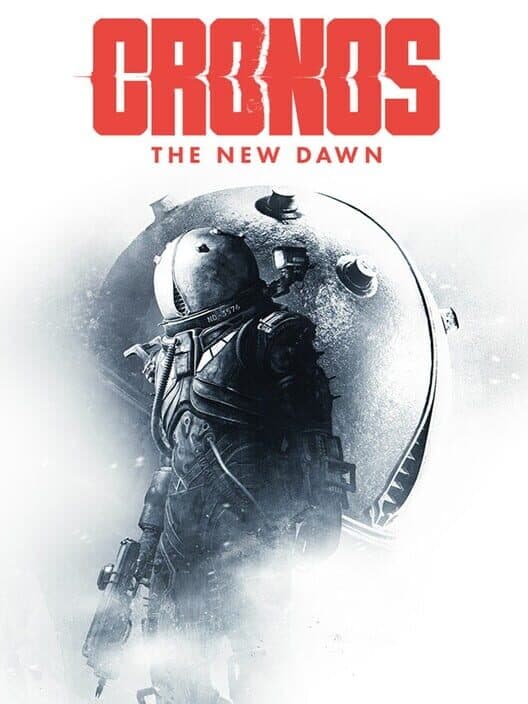
Cronos: The New Dawn is worth it if you want a tense, mid-length campaign that feels handcrafted and memorable rather than endless. Its best trick is how the merge system makes every fight feel dangerous even after an enemy drops, and the atmosphere does a lot of heavy lifting. The lighting, sound, creature design, and ruined Eastern European spaces give the whole game a sticky mood that stays with you. What it asks from you is patience. Inventory space is tight, ammo and healing are limited, and save rooms mean you cannot always stop exactly when you want. If you love Resident Evil-style pressure and do not mind a story that stays a little murky by the end, this is an easy full-price recommendation. Wait for a sale if you enjoy horror worlds but dislike resource stinginess or usually play in short, unpredictable bursts. Skip it if you want breezy shooting, save-anywhere freedom, or a clear, straightforward story payoff. For the right player, it is one of the more distinctive horror campaigns of recent years.

Bloober Team • 2025 • PC (Microsoft Windows), PlayStation 5, Xbox Series X|S, Linux, Nintendo Switch 2
Cronos: The New Dawn is worth it if you want a tense, mid-length campaign that feels handcrafted and memorable rather than endless. Its best trick is how the merge system makes every fight feel dangerous even after an enemy drops, and the atmosphere does a lot of heavy lifting. The lighting, sound, creature design, and ruined Eastern European spaces give the whole game a sticky mood that stays with you. What it asks from you is patience. Inventory space is tight, ammo and healing are limited, and save rooms mean you cannot always stop exactly when you want. If you love Resident Evil-style pressure and do not mind a story that stays a little murky by the end, this is an easy full-price recommendation. Wait for a sale if you enjoy horror worlds but dislike resource stinginess or usually play in short, unpredictable bursts. Skip it if you want breezy shooting, save-anywhere freedom, or a clear, straightforward story payoff. For the right player, it is one of the more distinctive horror campaigns of recent years.
Players consistently praise the lighting, sound, creature design, and Eastern European flavor. Even mixed reviews often say the world feels tense, rich, and memorable.
The most common complaint is how little you can carry. Limited ammo, healing, and bag space can make the opening stretch feel harsher than expected.
The body-merging system gives ordinary encounters real identity. Fans like that kills are not truly safe until you manage bodies, fire, and space well.
Many players enjoy the mystery at first, then feel less satisfied by the payoff. The late story is often described as intriguing but harder to read cleanly.
A smaller but meaningful group dislikes relying on save rooms and uneven autosave trust. It matters most for players who need clean, predictable stopping points.
Players consistently praise the lighting, sound, creature design, and Eastern European flavor. Even mixed reviews often say the world feels tense, rich, and memorable.
The body-merging system gives ordinary encounters real identity. Fans like that kills are not truly safe until you manage bodies, fire, and space well.
The most common complaint is how little you can carry. Limited ammo, healing, and bag space can make the opening stretch feel harsher than expected.
Many players enjoy the mystery at first, then feel less satisfied by the payoff. The late story is often described as intriguing but harder to read cleanly.
A smaller but meaningful group dislikes relying on save rooms and uneven autosave trust. It matters most for players who need clean, predictable stopping points.
A first run fits in a few weeks of normal evenings, yet rigid save rooms and one-more-checkpoint momentum make clean exits less tidy.
Cronos is a contained single-player campaign, so its overall ask is reasonable. Most people will reach credits in the mid-teens of hours, which makes it manageable over two or three weeks of regular evening sessions. The catch is not total length. It is stop-start convenience. The game has clear structure through chapters, hub returns, and save rooms, so there are real stopping points, but saves are not freeform. You can pause for life interruptions, yet you may still want to push a little farther to bank progress, especially after a rough fight or before a boss. Coming back after a week away is doable, though you will probably spend a few minutes remembering your route, ammo state, and upgrade plan. The good news is that there is zero social obligation. No party schedules, no raids, no fear of falling behind friends. It is entirely your own pace. For a busy week, that helps a lot. Just do not mistake solo-friendly for frictionless. This is still a game that likes ending sessions at safe rooms, not whenever you feel like it.
You need your eyes and brain on the game almost constantly, balancing careful shooting, corpse control, and inventory tradeoffs with only short quiet stretches.
Cronos asks for close attention most of the time. You are not just lining up shots. You are watching where bodies drop, deciding whether to spend fire now or save it, checking tight corners for ambushes, and judging if your bag has room for one more key item or stack of ammo. That means even quieter walks through apartments and hospitals rarely become true autopilot. The game does give you short breathers through puzzle rooms, traversal bits, and stash stops, but those breaks mostly reset your nerves before the next pressure spike. In raw hand speed, this is not a hyper-fast shooter. It cares more about steady aim, spacing, and making the right choice before a situation snowballs. The value of that extra attention is that fights feel thoughtful instead of disposable. When you survive a messy room, it feels like you managed a problem, not just won a damage race. If you like scanning spaces and making lots of small calls, Cronos is rewarding. If you want something you can half-play while distracted, it is a poor fit.
The basics are familiar fast, but real comfort takes hours as burning bodies, upgrade choices, and enemy rhythms slowly click into place.
The controls and basic shooting are easy enough to understand, so the opening hour is not confusing in the usual sense. The real learning comes from reading the game properly. Cronos wants you to understand that kills are not always finished problems, that fire is a precious answer rather than a default habit, and that your inventory and upgrades shape comfort as much as your accuracy does. Many players hit a rough early stretch before those lessons settle in. Once they do, the game feels much fairer. You start noticing enemy rhythms, choosing retreat lanes earlier, and investing in the few tools that actually fit your style. It is tougher to settle into than a simple third-person shooter, but it is nowhere near a giant simulation or a brutally technical action game. It asks for patience, observation, and a willingness to learn by small failures. The payoff is satisfying competence: rooms that once felt chaotic become readable, and the merge system turns from a source of panic into a problem you can actively control.
This is steady dread, not pure speed: ugly enemies, scarce supplies, and save-room relief make ordinary hallways feel tense even before bosses.
Cronos feels stressful on purpose, and that is a big part of its appeal. The fear here comes less from cheap jump scares and more from sustained pressure: grotesque enemies, limited healing, tight ammo, and the knowledge that a careless kill can turn into a worse fight if bodies merge. Because save rooms matter, relief hits hard too. That up-down rhythm is classic survival horror, and Cronos does it well. Most sessions create a low, constant hum of dread, then spike into sharper panic when a room fills, a boss appears, or you realize you are short on fire. The good version of that stress is exciting and memorable. The bad version shows up when inventory limits or save spacing make you feel boxed in rather than thrilled. It is not the fastest game in the world, but it can be more draining than many louder action games because the tension rarely fully leaves. Play it when you want an intense evening and some mental space to absorb the mood, not as a background comfort game.
Games with a similar rhythm and feel, even if they look different