Capcom • 2026 • Xbox Series X|S, Nintendo Switch 2, PC (Microsoft Windows), PlayStation 5
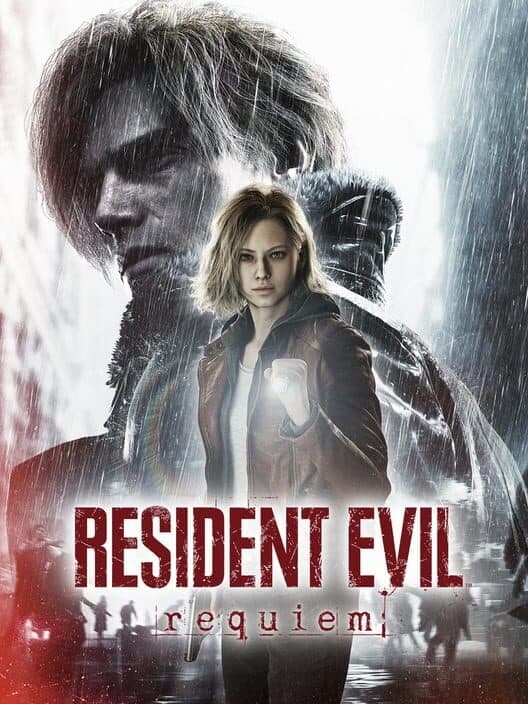
Yes, Resident Evil Requiem is worth it if you want a tight horror campaign with a real finish line. Its best trick is the contrast between Grace's slower, puzzle-heavy dread and Leon's more confident action. That mix gives most sessions a strong sense of variety without asking for months of commitment. If you love creepy spaces, resource management, and the satisfaction of solving your way through danger, this is easy to recommend at full price on console. If you're curious but not sure about horror pressure, gore, or scripted chase sequences, waiting for a sale makes sense. PC players may also want to wait if current crash and save or load reports make them nervous. Skip it if you want co-op, deep character building, endless replay systems, or something relaxing to play half-distracted. Requiem asks for attention and a tolerance for stress, but it pays that back with a polished 10 to 16 hour ride that feels complete, memorable, and respectful of your time.

Capcom • 2026 • Xbox Series X|S, Nintendo Switch 2, PC (Microsoft Windows), PlayStation 5
Yes, Resident Evil Requiem is worth it if you want a tight horror campaign with a real finish line. Its best trick is the contrast between Grace's slower, puzzle-heavy dread and Leon's more confident action. That mix gives most sessions a strong sense of variety without asking for months of commitment. If you love creepy spaces, resource management, and the satisfaction of solving your way through danger, this is easy to recommend at full price on console. If you're curious but not sure about horror pressure, gore, or scripted chase sequences, waiting for a sale makes sense. PC players may also want to wait if current crash and save or load reports make them nervous. Skip it if you want co-op, deep character building, endless replay systems, or something relaxing to play half-distracted. Requiem asks for attention and a tolerance for stress, but it pays that back with a polished 10 to 16 hour ride that feels complete, memorable, and respectful of your time.
Players repeatedly single out Grace's chapters for their dread, vulnerability, puzzle pressure, and classic survival-horror feel. Those segments define the game's identity.
A meaningful minority say the handoff from puzzle-heavy dread to louder action breaks momentum, making the campaign feel like two rhythms stitched together.
Some players enjoy Leon's chapters as a welcome release valve, while others wanted deeper combat and stronger post-credits reasons to keep replaying.
Many players love the alternating structure because it mixes careful horror with more aggressive action, giving longer sessions variety without making either style overstay.
Crash reports, black screens, audio delay, and odd save or load behavior show up often enough in PC discussions to matter, even with overall reception staying strong.
Even mixed reviews often praise the audiovisual work. Environmental detail, sound design, and oppressive spaces help ordinary exploration feel tense and memorable.
Players repeatedly single out Grace's chapters for their dread, vulnerability, puzzle pressure, and classic survival-horror feel. Those segments define the game's identity.
Many players love the alternating structure because it mixes careful horror with more aggressive action, giving longer sessions variety without making either style overstay.
Even mixed reviews often praise the audiovisual work. Environmental detail, sound design, and oppressive spaces help ordinary exploration feel tense and memorable.
A meaningful minority say the handoff from puzzle-heavy dread to louder action breaks momentum, making the campaign feel like two rhythms stitched together.
Crash reports, black screens, audio delay, and odd save or load behavior show up often enough in PC discussions to matter, even with overall reception staying strong.
Some players enjoy Leon's chapters as a welcome release valve, while others wanted deeper combat and stronger post-credits reasons to keep replaying.
One strong campaign, regular stopping points, and no social obligations make it manageable, though typewriter saves and puzzle memory add some schedule friction.
This is a focused campaign, not a lifestyle game. Most people will see the credits in about 10 to 16 hours, which makes it a strong fit if you want a memorable arc with a clear end point. The structure also works well in chunks. Safe rooms, typewriters, autosaves, boss endings, and character switches create regular stopping spots, so a 60 to 90 minute session usually feels worthwhile. The one catch is that saving is flexible, not freeform. Standard Modern is fairly friendly, but you still cannot drop a manual save anywhere you want, and Classic mode is much stricter. Coming back after a week takes some mental reloading too. You may need a few minutes to remember your current puzzle chain, which door just opened, or what is sitting in storage. Still, the game does a solid job of pointing you toward the next objective once you settle back in. Because it is entirely solo, there are no social obligations, no raid schedules, and no endless endgame chores hanging over you.
It asks for steady attention to clues, routes, and sudden threats, but its guided spaces keep that concentration tense and readable rather than overwhelming.
Resident Evil Requiem wants your full attention, but it does not bury you under giant systems. Most of your brain space goes to a few concrete things: reading the map, tracking keys and puzzle clues, counting ammo and healing supplies, and deciding whether a room is worth fighting through or better left for a sprint. Grace's stretches are the most demanding because danger often arrives through sound, uncertainty, and tight resource margins. Leon's stretches shift some of that burden into aiming, parries, and crowd control, which feels faster but also more readable. You can absolutely pause when life happens, yet this is not a great second-screen game. Looking away during an active room can mean missing a grab, a flank, or the detail that solves the next puzzle step. In return, the game delivers strong suspense and satisfying problem-solving without becoming exhausting in the way a giant strategy game can.
You can learn the basics fast, then spend the rest of the campaign getting calmer, cleaner, and smarter about routes, supplies, and enemy tells.
The basics come quickly. Within the first few hours, most players will understand how to read the map, combine items, solve the game's style of object puzzles, and survive ordinary fights. The harder part is learning how calmly the game expects you to use those tools under pressure. Requiem rewards route planning, ammo discipline, and noticing repeated enemy behaviors far more than button-heavy mastery. That makes the learning curve friendlier than a punishing action game, even though first runs still have real friction. You will die, waste supplies, and sometimes overthink a puzzle, but the game usually teaches through short setbacks instead of brick walls. It also explains itself well enough that you do not need a wiki to understand the core rules. The gap between a shaky first run and a confident second run is large, which is part of the fun. You start by surviving room to room. By the end, you are reading spaces faster, spotting safer routes, and making cleaner calls with less panic.
Fear and adrenaline stay high, yet failure usually costs minutes and resources instead of whole runs, so the pressure feels sharp rather than punishing.
Expect a high-pressure ride, especially in Grace's sections. This is the good kind of stress if you like horror: slow door pushes, tight supplies, footsteps you cannot place, and fights where surviving with one bullet left feels amazing. Leon keeps the campaign from staying in pure dread mode by bringing more confidence and action, but his chapters still carry real stakes and boss pressure. On Standard Modern, the game is tough enough that mistakes matter, yet it rarely feels cruel. Death usually sends you back a manageable amount thanks to autosaves and typewriters, so the punishment is more about lost momentum and resources than losing an entire night. That makes it easier to recommend than something built around repeated heavy failure. The tone is also intense in a very visible way: gore, body horror, and strong language are frequent, so the pressure is emotional as much as mechanical. If you want something calming before bed, this is a poor pick.
Games with a similar rhythm and feel, even if they look different