Alan Wake II

Epic Games Publishing2023Xbox Series X|S, PC (Microsoft Windows), PlayStation 5
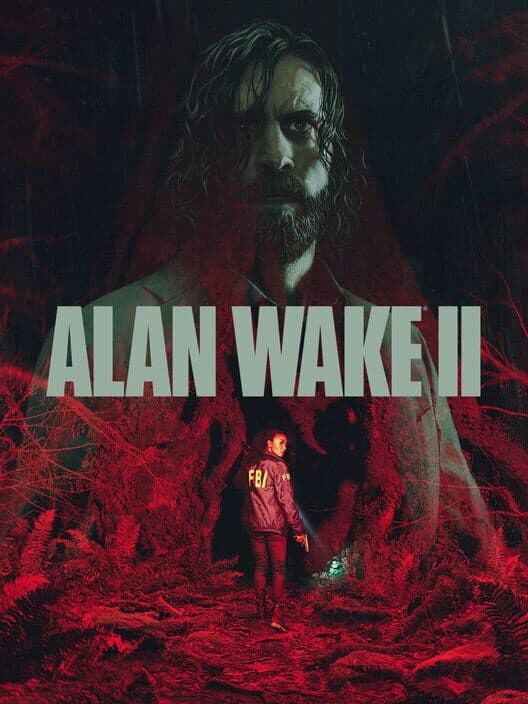
Cinematic psychological survival horror story

Around twenty hours for full campaign

Single-player, best alone with headphones

Is Alan Wake II Worth It?

Alan Wake II is worth full price if you enjoy story-heavy horror and can handle intense, unsettling imagery. It delivers a polished, tightly directed 18–25 hour campaign with excellent writing, top-tier visuals and sound, and some of the most memorable sequences in recent horror games. The tradeoff is that it’s firmly about narrative and mood rather than deep combat systems or endless side content. You’ll get a strong, one-and-done experience rather than a game you live in for months. If you’re a busy adult who loves spooky stories, prestige TV–style presentation, and the idea of chipping away at a haunting mystery over a few weeks of evenings, it’s an easy recommendation at full price. If you’re horror-curious but unsure about the intensity, or you mainly value mechanical depth and replayable challenge modes, you might want to wait for a sale. Anyone very sensitive to gore, occult themes, or psychological horror is better off skipping it entirely.

When is Alan Wake II at its best?

When you have a quiet evening, headphones, and 60–90 minutes to sink into one chapter of intense story, exploration, and a few carefully staged scares.

When you’re in the mood for a polished, finite horror tale rather than an endless live-service grind, and want something you can realistically finish within a few weeks.

When you want a solo experience that feels like bingeing a prestige TV miniseries, with each session delivering a strong narrative beat and a couple of memorable set pieces.

What is Alan Wake II like?

Alan Wake II is built to be completed, not lived in. A typical run through the main story with a few optional detours takes around 18–25 hours, which comfortably fits into a few weeks of evening play for most adults. The structure is friendly to real-life schedules: chapters, safe rooms, and recap segments create natural stopping points, and you can pause at any time. The main limitation is saving: checkpoints are frequent but not manual, so you may occasionally replay a few minutes if you stop mid-section. Coming back after a break is eased by “Previously on” recaps and the case board, though the dense lore means you might need a short reorientation session after a long gap. There’s no pressure to socialize or coordinate with others—it’s fully solo. Overall, it’s a good fit if you can carve out regular hour-long blocks and want a complete, premium-feeling story without signing up for months of ongoing play.

Tips

  • Aim for sessions of at least 60 minutes so you can hit a clear story beat or safe room before stopping.
  • When you’re about to quit, push to the next safe room or chapter card to minimize lost progress next time you return.
  • If you’ve been away for a couple of weeks, spend your first 10 minutes re-reading key notes and the case board before diving back into danger.

Alan Wake II asks for a solid amount of your attention, but not the kind of white-knuckle concentration that leaves you drained. Most sessions alternate between slow, tense exploration and short bursts of combat. You’ll be watching and listening carefully as you move through dark woods, creepy basements, and neon-lit streets, scanning for movement, items, and environmental details. Map checks, note reading, and time in Saga’s case board or Alan’s storyboard keep your mind engaged in a quieter, puzzle-like way. When enemies appear, you do need to react, aim, and dodge, yet fights are usually small and readable rather than chaotic. This isn’t a game to half-play while watching TV, but it’s also not mentally brutal like a complex strategy title. For a busy adult, it lands in a sweet spot: you feel immersed and alert, but you can still enjoy it on a weeknight without feeling mentally wiped afterward.

Tips

  • If you’re tired after work, lean on Story difficulty so combat requires less precision and your focus can stay on mood and story.
  • Use headphones and lower ambient noise so audio cues are clear, making it easier to track threats without staring at every shadow constantly.
  • Try to end sessions in safe rooms, where you can calmly review notes and the case board before stopping, making it easier to remember things next time.

Alan Wake II is pretty approachable from a learning standpoint. Within the first session or two you’ll grasp the basics: focus your flashlight to strip darkness, shoot the exposed enemy, dodge attacks, and keep an eye on ammo and batteries. The investigation tools look fancy but are simple once you’ve tried them a couple of times. From there, most improvement is about comfort and efficiency rather than uncovering deep systems. You’ll learn which enemies to prioritize, how aggressively to conserve ammo, and how to read room layouts so you don’t get cornered. Getting better definitely makes the game smoother and less stressful, especially on higher difficulties, but there isn’t a big ladder of mechanics to climb. For a busy adult, that’s good news: you don’t need to “live” in this game to play well. You can enjoy a satisfying level of competence after only a few nights, without feeling pressured to master every nuance.

Tips

  • Spend a little time early on practicing dodges and flashlight focus so basic fights feel manageable and don’t spike your stress later.
  • Stick with one difficulty for most of the run; frequent changes can make it harder to get a feel for enemy toughness and resource needs.
  • If you’re dying often, adjust difficulty instead of grinding for perfection—this game is about seeing the story, not proving mastery.

This game is emotionally intense even when it’s not mechanically brutal. The real pressure doesn’t come from complex combos or unforgiving mechanics, but from dread: dark forests, flickering lights, whispering voices, and the constant sense that something is in the shadows. Jump scares, loud audio stings, and graphic violence can make your heart race, especially if horror gets under your skin. On default settings, raw difficulty sits in the middle: you’ll die sometimes, but patterns are readable and checkpoints are kind. That means the stress you feel is more about atmosphere and anticipation than about losing tons of progress. For some players, that’s an enjoyable kind of tension; for others, especially after a hard day, it can be too much. If you’re looking to unwind or are sensitive to gore and occult themes, this may not be a “relaxing evening” choice, even with the gentler Story mode helping on the gameplay side.

Tips

  • If horror gets overwhelming, drop to Story difficulty so combat deaths don’t add extra frustration on top of the scare factor.
  • Play earlier in the evening rather than right before bed if disturbing imagery tends to linger with you afterward.
  • Take short breaks after especially intense sequences or boss fights to let your heart rate and nerves calm down.

Frequently Asked Questions