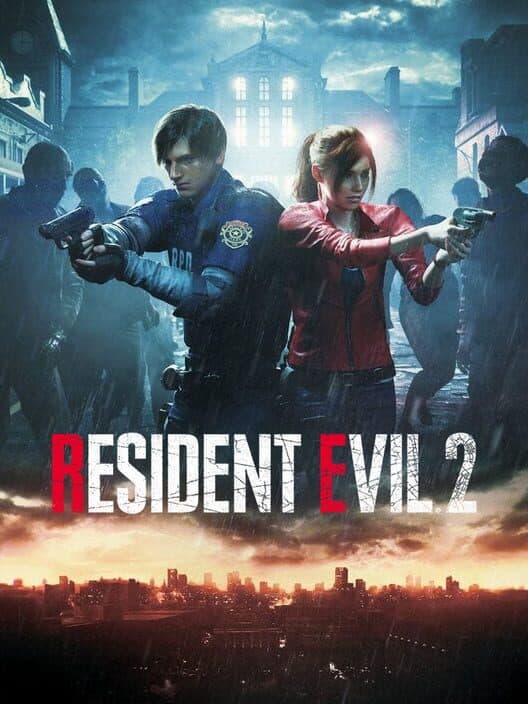
Resident Evil 2

Capcom2019Xbox Series X|S, PlayStation 4, PC (Microsoft Windows), iOS, PlayStation 5, Mac, Xbox One
Slow, tense survival horror in corridors

Compact campaigns, ideal for weeknight sessions

Best experienced solo with headphones on

Is Resident Evil 2 Worth It?

Resident Evil 2 is absolutely worth it if you enjoy tense horror, tight design, and focused campaigns rather than sprawling sandboxes. It asks you for attention, tolerance for jump scares, and a bit of resilience when you die or make bad resource calls. In return, it delivers some of the most polished survival horror available: incredible atmosphere, satisfying exploration, and that addictive cycle of dread and relief every time you limp into a safe room. For full-price buyers, it’s a great pick if you value quality over sheer hours and like replaying or trying higher difficulties once you’re hooked. If you mainly want a single, one-and-done playthrough and don’t care much about bonus modes, the 10–15 hour length might feel a bit short at launch pricing, making a sale a smarter move. You should skip it if you’re very sensitive to gore, anxiety, or the feeling of being hunted, or if you only relax with low-stress, low-focus games.

When is Resident Evil 2 at its best?

When you have a focused 60–90 minute evening and want a gripping, tense experience that lets you clear a distinct chunk of progress before bed.

When you’re in the mood for a high-quality horror story with great atmosphere but don’t want a massive 40–60 hour commitment hanging over you.

When you can play solo with headphones, lights low, and no distractions, and you actually want your heart rate to spike for a while.

What is Resident Evil 2 like?

For a busy adult, Resident Evil 2 is refreshingly manageable. A single campaign typically lands somewhere around 8–12 hours, and doing both characters’ routes might bring you to 16–20 if you’re thorough. The game’s structure naturally breaks into chunks: clearing a wing of the station, reaching a new area, or beating a boss usually lands you near a safe room and typewriter. That means most 60–90 minute sessions can start and end in a safe, tidy place without feeling cut off mid-flow. You can pause at any time during play, and autosaves on Standard help cushion surprise deaths, though you still need to reach typewriters to lock in big progress. Coming back after a week or two off takes a little effort as you recall layouts and puzzles, but the objective list and colored rooms help. Since there’s no multiplayer, you never have to coordinate schedules or worry about falling behind friends—this is entirely on your own terms.

Tips

  • Aim to stop in safe rooms so you can easily remember what you were doing when you return next session.
  • If you know you only have 30–45 minutes, focus on exploring nearby red rooms rather than pushing into brand-new areas.
  • Try to cluster your sessions a bit; playing at least once or twice a week keeps the station layout fresh in your mind.

This is a game that wants your eyes and ears almost all the time. Outside of safe rooms, danger can come from any dark corner or from heavy footsteps echoing down a hallway. You’re frequently checking your map for red rooms, remembering which doors match which keys, and juggling a tight inventory. Combat itself is slower than arcade shooters, but landing precise headshots and timing your dodges still takes some focus. A big part of the experience is quiet thinking: planning a route that avoids tough enemies, deciding whether it’s worth spending bullets to clear a hallway, or backtracking safely with a key item. For busy adults, this means you’ll get the most out of Resident Evil 2 when you can give it a solid, distraction-free hour. It’s not brutally complex, but it’s also not a game to play half-attentively while chatting or scrolling your phone.

Tips

  • Play when you can actually listen for audio cues; Mr. X’s footsteps and zombie groans are vital early warnings, not background noise.
  • Use safe rooms as mental reset points, taking a minute to study the map and plan your next goals before stepping back into danger.
  • If you’re tired, stick to cleanup runs in already-explored areas instead of major pushes into new, threat-filled zones.

Getting comfortable with Resident Evil 2 doesn’t take long. Basic movement, shooting, and understanding red/blue room colors will click within your first few sessions. The real depth comes from learning the building itself and how the systems interact. As you replay sections, you start to memorize zombie positions, item locations, and safe routes that let you conserve ammo and herbs. Boss patterns become familiar, and you’ll know when you can safely knife or stagger enemies instead of unloading a clip. For a typical adult, you don’t need to chase this level of mastery to enjoy the story and finish a campaign. But if the core loop grabs you, the game really rewards repeat runs with faster progress, higher ranks, and access to bonus modes. It’s a classic “easy to finish, fun to optimize” experience, ideal if you like feeling yourself get meaningfully better without needing to dedicate dozens of hours.

Tips

  • Treat your first playthrough as a learning run, worrying more about survival than conserving every bullet or achieving high ranks.
  • If you want to improve, rewatch a few tricky encounters in clips or guides to spot safer routes and smarter resource use.
  • Consider a second run soon after finishing, while the station layout and puzzle solutions are still fresh in your mind.

Resident Evil 2 is intense more in mood than in raw combat speed. The lighting, sound, and cramped hallways work together to keep you on edge, even when nothing is technically attacking you. When Mr. X appears and starts stalking you, the stress level spikes sharply: his footsteps cut through the ambient noise, and suddenly every route feels unsafe. On Standard difficulty, enemies hit hard enough that a couple of mistakes can put you in real trouble, especially if you’ve been careless with ammo or healing items. Deaths are not catastrophic, but they’re stressful and can erase several minutes of careful progress. All of this creates a rollercoaster of dread and relief that many people love but some will find exhausting. For a busy adult, this is not the game you boot up to chill out after a brutal day; it’s the game you choose when you actually want your heart rate to climb.

Tips

  • Play in shorter sessions if horror sticks with you; a single 60–90 minute run can be plenty for one night.
  • Lower the difficulty if tension becomes overwhelming; having more ammo and health can turn panic into enjoyable suspense rather than dread.
  • Avoid playing right before bed if you’re prone to lingering anxiety or vivid dreams from horror content.

Frequently Asked Questions