Xbox Game Studios • 2025 • Xbox Series X|S, PC (Microsoft Windows), PlayStation 5
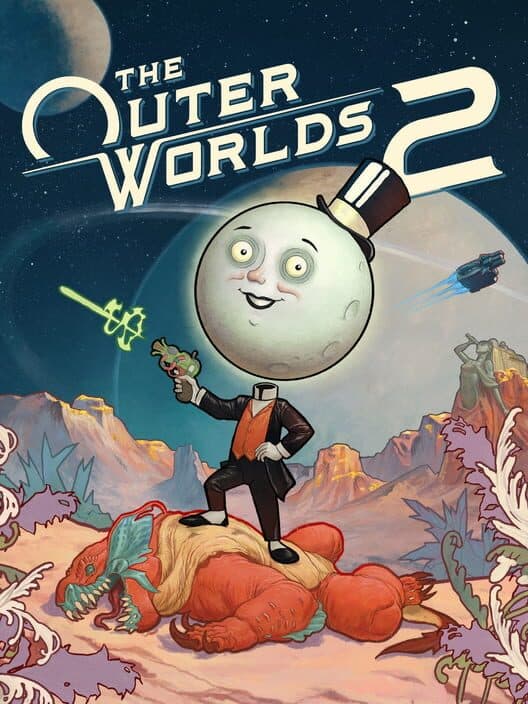
The Outer Worlds 2
Xbox Game Studios • 2025 • Xbox Series X|S, PC (Microsoft Windows), PlayStation 5
Is The Outer Worlds 2 Worth It?
The Outer Worlds 2 is worth it if you want a smart, choice-driven sci-fi adventure where your build and decisions actually change how problems play out. Its biggest strength is that role-playing feels tangible. Skills open new dialogue, exploration uncovers useful leverage, and quests often let you talk, sneak, hack, or fight your way forward. That makes even a normal playthrough feel personal. What it asks from you is steady attention rather than raw reflexes. You need to remember faction drama, companion threads, and where your build is headed, especially because changing course later is limited. It also helps to be patient with a talky pace and a launch reputation for save and performance issues, even if patches have improved things. Buy at full price if you loved the first game, enjoy Obsidian-style quest writing, or want a 30 to 40 hour RPG you can actually finish. Wait for a sale if you mostly care about combat. Skip it if you want nonstop action, stronger companion writing, or a completely friction-free technical experience.
What is The Outer Worlds 2 like?
Opinions of The Outer Worlds 2
What Players Love
- Players Love
Build choices and dialogue checks feel meaningfully reactive
Players often praise how skills, perks, flaws, and earlier decisions open different solutions, making one character build feel genuinely different from another.
- Players Love
Side quests and satire make the setting memorable
Even players with other complaints often highlight the corporate satire, world details, and side-mission writing as the main reason the adventure stays interesting.
Common Concerns
- Common Concern
Performance and save issues still weaken player trust
Reports of stuttering, technical roughness, and save-related problems show up often enough to affect buying confidence, even after large post-launch patches.
- Common Concern
Companions often feel flatter than the rest of the game
A noticeable group of players likes the quest design but comes away underwhelmed by party members, especially their personalities and usefulness in combat.
Divisive Aspects
- Divisive
Heavy dialogue and slow story pacing split players
Some players love the talky, choice-driven structure, while others feel the main plot drags and leans too hard on exposition between stronger gameplay moments.
What does The Outer Worlds 2 demand from you?
Time
MODERATETime
One playthrough is a solid month of weeknight sessions, but full pause, flexible saves, and quest chunks make it easier to fit around life.
Focus
MODERATEFocus
Most nights ask for steady attention to dialogue, quest context, and build choices, while combat stays readable enough that raw speed rarely takes over.
Challenge
MODERATEChallenge
You can play well within a few evenings, but getting comfortable means understanding how skills, perks, and flaws shape both combat and conversations.
Intensity
LOWIntensity
This is more thoughtful than sweaty, with moderate firefights and meaningful choices creating pressure without the constant dread or punishment of harsher games.
Frequently Asked Questions
You Might Also Like
Games with a similar rhythm and feel, even if they look different