Sony Interactive Entertainment • 2022 • PlayStation 4, PC (Microsoft Windows), PlayStation 5
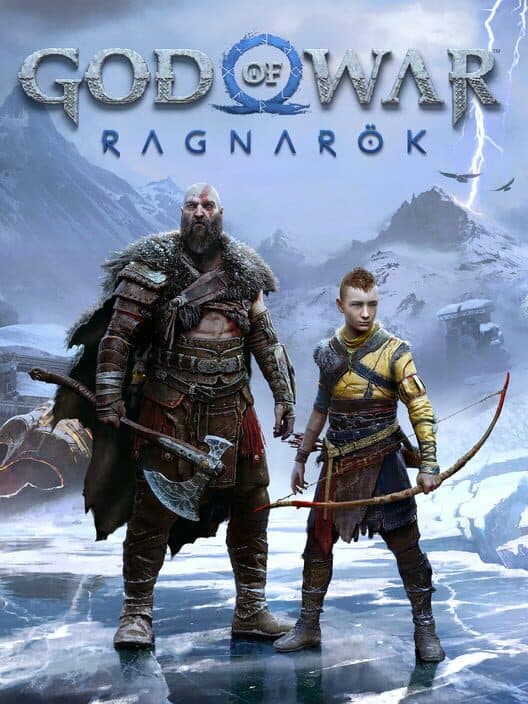
God of War Ragnarök
Sony Interactive Entertainment • 2022 • PlayStation 4, PC (Microsoft Windows), PlayStation 5
Is God of War Ragnarök Worth It?
Yes, God of War Ragnarok is worth it if you want a polished, story-rich action game and are happy to meet it halfway. Its biggest strengths are easy to feel right away: the combat has real heft, the performances sell the family drama, and the whole adventure feels carefully made from start to finish. It asks for your attention in fights and a willingness to sit through a lot of story, but it does not ask for elite reflexes or endless grinding. For many people, the sweet spot is the main story plus a handful of strong side quests, which gives you the full emotional payoff without turning it into a giant checklist. Buy at full price if you loved God of War 2018, want a premium single-player game, or care about character-driven storytelling as much as action. Wait for a sale if you mostly want nonstop combat, dislike chatty companions, or bounce off menu-heavy gear systems. Skip it if brutal violence, eager puzzle hints, or slower story sections sound like instant dealbreakers.
What is God of War Ragnarök like?
Opinions of God of War Ragnarök
What Players Love
- Players Love
Story and performances carry real emotional weight throughout
Players consistently praise the father-son dynamic, supporting cast, and voice work. Even people with pacing complaints often say the story payoff makes the whole trip memorable.
- Players Love
Combat feels heavy, polished, and better than before
Weapon impacts, parries, dodges, and later combat variety get repeated praise. Many players say optional fights are where the deeper toolset really clicks.
- Players Love
Blockbuster presentation feels polished from start to finish
Realm art, animation, accessibility support, and overall finish are often highlighted as rare strengths for a big release that feels complete and carefully made.
Common Concerns
- Common Concern
Puzzle hints arrive before you can think things through
A common complaint is that companions explain solutions too quickly, which can make environmental puzzles feel rushed and less satisfying to solve on your own.
- Common Concern
Gear menus can feel busier than the game needs
A smaller but real group feels perk comparisons, stat bumps, and upgrade menus add friction without delivering especially deep build freedom.
Divisive Aspects
- Divisive
Atreus-focused chapters add variety but can slow momentum
Some players enjoy the character growth and tonal change in these sections, while others feel they interrupt the heavier Kratos combat flow.
What does God of War Ragnarök demand from you?
Time
MODERATETime
For a big story game, it fits busy weeks well: clear chapter beats, strong autosaves, and a satisfying finish without asking for endless cleanup.
Focus
MODERATEFocus
It wants your full eyes and hands in fights, then eases off during travel and story scenes so concentration comes in waves, not all at once.
Challenge
MODERATEChallenge
You can learn the basics quickly, but the combat gets richer as you start reading enemy colors, swapping weapons cleanly, and building better habits.
Intensity
MODERATEIntensity
Most sessions feel exciting rather than exhausting, with hard-hitting boss bursts and heavy drama balanced by generous checkpoints, quieter exploration, and long stretches of calm.
Frequently Asked Questions
You Might Also Like
Games with a similar rhythm and feel, even if they look different