DreadXP • 2022 • PC (Microsoft Windows), Nintendo Switch
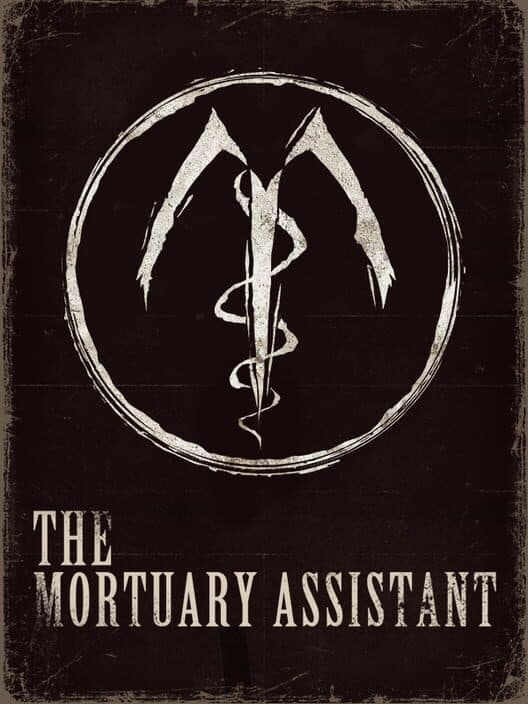
The Mortuary Assistant is worth it if you want a short, memorable horror game that feels genuinely different. Its best idea is simple and smart: it turns routine mortuary work into a deduction puzzle soaked in dread. If that sounds great to you, it is an easy full-price buy. The game asks for attention, a tolerance for jump scares, and some patience with systems that are not always perfectly clear. It does not ask for fast reflexes, long sessions, or a huge time investment. What you get back is a rare horror loop where ordinary tasks become the source of the fear, not filler between scares. That gives it a strong identity even when repeated shifts start to feel a little samey. Wait for a sale if you like horror but dislike trial-and-error logic, repeated room routing, or occasional indie rough edges. Skip it if you want combat, exploration, or a relaxing sim. For the right player, though, it delivers a concentrated horror experience that sticks in your head long after its short runtime ends.

DreadXP • 2022 • PC (Microsoft Windows), Nintendo Switch
The Mortuary Assistant is worth it if you want a short, memorable horror game that feels genuinely different. Its best idea is simple and smart: it turns routine mortuary work into a deduction puzzle soaked in dread. If that sounds great to you, it is an easy full-price buy. The game asks for attention, a tolerance for jump scares, and some patience with systems that are not always perfectly clear. It does not ask for fast reflexes, long sessions, or a huge time investment. What you get back is a rare horror loop where ordinary tasks become the source of the fear, not filler between scares. That gives it a strong identity even when repeated shifts start to feel a little samey. Wait for a sale if you like horror but dislike trial-and-error logic, repeated room routing, or occasional indie rough edges. Skip it if you want combat, exploration, or a relaxing sim. For the right player, though, it delivers a concentrated horror experience that sticks in your head long after its short runtime ends.
Players regularly praise how the body-prep workflow grounds the scares. Ordinary mortuary tasks make the supernatural moments feel stranger and far more memorable.
Randomized events help, but many players still feel the room routing and embalming loop lose freshness over several runs, especially after the main trick clicks.
Many players love the aggressive scare cadence, while others prefer slower-burn horror and feel the game leans too often on sudden shock moments.
Audio cues, oppressive mood, and sharp scare timing are widely praised. Many players say the game stays scary even while doing basic repetitive work.
A notable group of players say they struggled to tell which signs really mattered, when evidence was enough, or how some outcomes were triggered.
Players regularly praise how the body-prep workflow grounds the scares. Ordinary mortuary tasks make the supernatural moments feel stranger and far more memorable.
Audio cues, oppressive mood, and sharp scare timing are widely praised. Many players say the game stays scary even while doing basic repetitive work.
Randomized events help, but many players still feel the room routing and embalming loop lose freshness over several runs, especially after the main trick clicks.
A notable group of players say they struggled to tell which signs really mattered, when evidence was enough, or how some outcomes were triggered.
Many players love the aggressive scare cadence, while others prefer slower-burn horror and feel the game leans too often on sudden shock moments.
It’s a short solo game built around clean night shifts, though auto-save limits mid-run exits and a week away can blur the ritual details.
This is a compact commitment by modern standards. Most people will feel they got the point in about 4 to 8 hours, which usually means a weekend or a few weeknights rather than a month-long project. A single shift often fits into a 30 to 60 minute block, and each one has a clear beginning, middle, and end, so the game naturally supports evening sessions. It is fully solo, with no social pressure, group scheduling, or online obligation. That makes it easy to own on your own time. Short interruptions are also fine because you can fully pause. The catch is saving. The game is better at handling a quick real-life interruption than a true stop-and-save-anywhere exit, so completed shifts make the cleanest break points. Coming back after several days is not terrible, but you may spend a few minutes reloading the ritual details into your head. In exchange for those small frictions, the game gives you a rare thing: a memorable horror experience that delivers its full flavor without asking for a huge chunk of your life.
You’re doing simple steps, but the game keeps piling on clue tracking, audio vigilance, and second-guessing until a small building demands your full attention.
This game asks for steady, close attention even though the actions themselves are not complicated. The first layer is procedural. You follow embalming steps, move tools around, and keep the workflow straight. The second layer is what makes it demanding. You are listening for sounds, watching for body changes, checking for marks, and trying to decide which events are useful evidence and which are just there to shake you. That means the game is far more about careful observation and logic than quick reflexes. You can pause whenever life interrupts, but while you are actively playing, it is not very friendly to distraction or multitasking. A podcast, second monitor, or half-watching TV will work against you. In exchange for that attention, the game delivers a very specific kind of engagement: the pleasure of doing routine work while your brain keeps whispering that something is wrong. It is one of those rare horror games where the mundane tasks actually make the fear sharper instead of slowing things down.
The basics come fast, but real confidence takes a few failed nights as you learn which clues matter and when to trust your final call.
Getting started is a little awkward, but this is not a giant skill mountain. Most players can learn the room layout, tool flow, and core body-prep routine fairly quickly. The bigger hurdle is understanding the hidden logic behind demon identification. Early on, it is easy to misread what the game is telling you, overvalue a scare, or act before your evidence is solid. That can make the first few sessions feel more confusing than hard. The good news is that the game is short, and failure usually teaches something useful. You are not rebuilding a hundred-hour character or relearning a huge ruleset. You are tightening a small loop and slowly separating meaningful signs from noise. Compared with punishing action games, this is easier on your hands and harder on your nerves. Compared with straightforward narrative horror, it asks more of your memory and deduction. What it gives back is satisfying competence. Once the workflow clicks, the mortuary starts feeling familiar in a way that makes the next disruption land even better.
This is scary in a body-level way, with dread, jump scares, and constant unease turning routine work into a tense hour that can leave you buzzing.
The stress here comes from fear, not mechanical brutality. You are rarely dealing with hard button inputs or long combat gauntlets, but the game keeps your nerves active almost the whole time. Hallways feel unsafe. Ordinary tasks feel exposed. Loud scare beats and sudden appearances can hit hard because they are layered over work that would otherwise feel calm and methodical. That contrast is the whole trick. The game takes routine mortuary labor and turns it into a pressure cooker. Failure matters enough to create real hesitation, especially when you think you know the answer but are not fully sure. That said, this is not the same kind of pressure as an action game that demands perfect timing. If you handle horror well, the actual challenge is moderate. If jump scares and oppressive atmosphere get under your skin, it can feel much harsher than the score sheet suggests. In exchange, it delivers a concentrated, memorable scare session that works best when you want to feel unsettled on purpose, not when you are trying to unwind before bed.
Games with a similar rhythm and feel, even if they look different