Amnesia: Rebirth

Frictional Games2020Xbox Series X|S, PlayStation 4, Linux, PC (Microsoft Windows), PlayStation 5, Xbox One
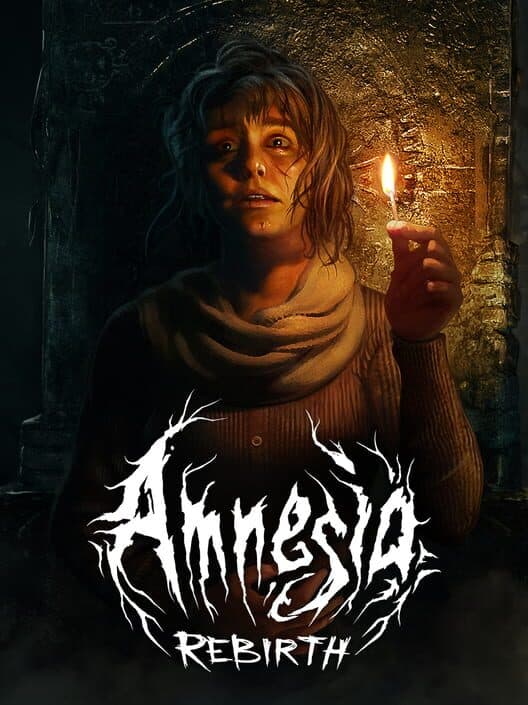
Story-first first-person psychological horror

Short but emotionally intense single playthrough

Flexible sessions with frequent autosaves

Is Amnesia: Rebirth Worth It?

Amnesia: Rebirth is worth it if you enjoy story-driven horror and can handle emotionally heavy themes, especially around pregnancy and vulnerable children. It offers a focused 7–10 hour journey with no grind, no multiplayer obligations, and mechanics simple enough that you can jump in after work without memorizing systems. What it asks from you is emotional rather than mechanical: you need to sit with dread, tension, and some very uncomfortable imagery. In return, you get a richly atmospheric trip through deserts, ruins, and alien worlds, anchored by a sympathetic main character and a mystery that slowly clicks into place. It feels closer to an interactive horror film than a traditional action game. Buy at full price if you love psychological horror, appreciated games like SOMA or the original Amnesia, and value a tight, one-and-done narrative. Wait for a sale if you’re on the fence about horror or mainly chase deep mechanics. Skip it if you dislike feeling powerless or can’t tolerate its specific themes.

When is Amnesia: Rebirth at its best?

When you have a quiet evening alone, want an interactive horror-movie vibe, and can handle intense themes around pregnancy, trauma, and survival without needing to socialize afterward.

On a weeknight with about an hour free, when you’re in the mood for strong atmosphere and light puzzles instead of fast action or complex systems.

During a focused weekend session with headphones on and lights off, when you want a short, complete story you can finish in a couple of sittings.

What is Amnesia: Rebirth like?

From a time and scheduling standpoint, this game is very friendly to a busy life. The full story usually takes around 7–10 hours, and there’s no grindy side content, multiplayer calendar, or long endgame to worry about. You can experience the core journey in a handful of evenings or a couple of weekend sittings. Sessions naturally fall into 60–90 minute chunks. Chapters, environment changes, and big scares act like episode endings, and frequent autosaves make it easy to stop once you reach a safe-feeling space or clear story beat. If you’re interrupted unexpectedly, you’ll rarely lose more than a few minutes when you return. The structure is linear, so you always move forward instead of bouncing between quests. That keeps things clear if you step away for a week, though you may want a few minutes to reread notes and remember exactly what was happening. It’s entirely solo, so there’s no pressure to coordinate with friends or stick to a shared schedule.

Tips

  • Aim for 60–90 minute sessions so you can experience a full scare-and-recovery arc without overloading yourself emotionally.
  • Try to stop after autosave icons or clear scene transitions; that minimizes replaying the same tense section next time.
  • If you’ve been away for more than a week, spend your first few minutes rereading notes and journal entries to reconnect with the story.

This game asks more of your attention than of your strategic brainpower. You’re constantly watching and listening for cues: distant footsteps, creaking wood, subtle visual distortions that hint at growing fear. You’ll read scattered notes, scan rooms for interactable objects, and manage matches and lantern oil, but the underlying mechanics stay straightforward. There are no deep skill trees, combo systems, or complex menus to track. Because danger often arrives with audio and visual warning signs, it’s not a great fit for heavy multitasking or playing with a show on in the background. Looking away for even a short stretch can mean missing a scare setup or walking straight into trouble. That said, the pace is deliberate, and most puzzles are simple enough that you won’t feel mentally drained. The result is a kind of quiet, focused tension: your mind stays engaged by the atmosphere and small decisions rather than by intricate mechanics or rapid-fire inputs.

Tips

  • Play with headphones and minimal background noise so you can catch important audio cues and stay immersed in the atmosphere.
  • Tackle sessions when you’re alert enough to read notes and follow environmental clues, not at the end of an exhausting workday.
  • If you feel yourself zoning out, pause after a story beat or scare instead of forcing yourself through another tense section.

You can get comfortable with this game’s controls and rules in a single evening. Movement, interaction, and hiding all feel familiar if you’ve played other first-person games. Light management and the fear system are explained clearly, and within an hour or two you’ll understand what causes your character to panic and how to calm things down. After that, there isn’t a huge mountain of skill to climb. You’ll improve at judging when to use light, how close you can get to enemies, and how to navigate in the dark without freaking out. That extra familiarity makes later sections less clumsy and more confident, but it doesn’t transform the experience the way mastering a fighting game or complex shooter would. For a busy adult, this is good news: you don’t need to invest weeks just to feel competent. You can drop in, grasp the basics fast, and enjoy the story without worrying about high-level optimization.

Tips

  • Give yourself the first hour to experiment with light, fear, and sneaking so later scares feel manageable rather than confusing.
  • Treat early deaths as learning tools; notice exactly what pushed things over the edge so you can avoid repeating it.
  • Don’t chase perfect stealth or flawless runs; focus on staying calm and moving thoughtfully instead of replaying scenes for performance.

This is a high-intensity experience, but the intensity lives in your nerves, not in brutal difficulty spikes. The game is designed to make your heart race: claustrophobic spaces, distorted visuals, and disturbing themes around pregnancy, trauma, and body horror keep you on edge. Monster encounters and jumpscares hit hard, and the constant threat of darkness gnaws at you even when nothing is happening. At the same time, the consequences for failure are light. Getting caught or overwhelmed usually sends you back to a nearby checkpoint with little lost progress. That balance means your stress comes from anticipation and empathy, not from fear of losing hours of work. For many adults, the emotional weight—especially around motherhood and child endangerment—will be the real barrier, not mechanical challenge. It’s a game to play when you’re ready for something intense and unsettling, not when you’re already frayed and looking for comfort or light distraction.

Tips

  • Avoid playing right before bed if horror lingers with you; schedule sessions earlier so you have time to unwind afterward.
  • Use the brightness and comfort options if visuals or jump scares feel overwhelming but you still want to see the story through.
  • Take short breaks after particularly tense chases or disturbing scenes to let your body calm down before continuing.

Frequently Asked Questions