Scorn

Kepler Interactive2022Xbox Series X|S, PC (Microsoft Windows), PlayStation 5
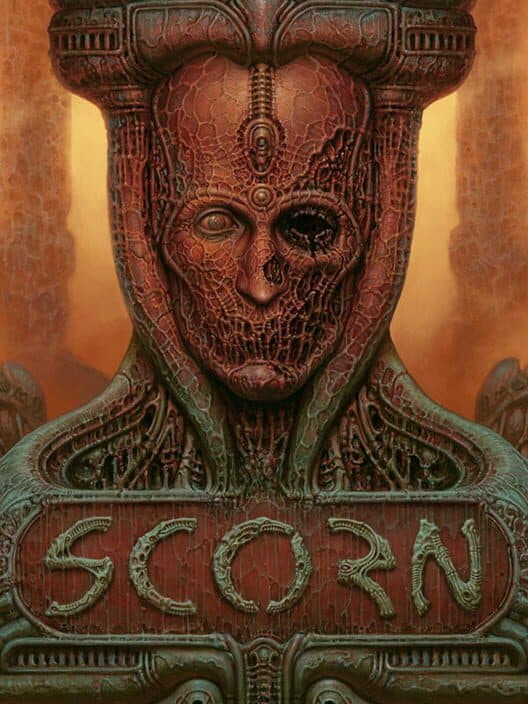
Grotesque biomechanical horror, atmosphere over action

Slow, puzzle-focused exploration with light combat

Short 6–8 hour campaign, low replayability

Is Scorn Worth It?

Scorn is worth it if you love disturbing atmosphere, slow environmental puzzles, and don’t mind vague storytelling. It’s a short, focused experience built around its biomechanical art and sound design, not around deep combat or character drama. In return for a 6–8 hour commitment, it gives you a concentrated trip through an unforgettable, disgusting world that feels like walking inside a Giger painting. The trade-off is that gameplay variety is limited, navigation can be confusing, and the checkpoint system makes some mistakes more irritating than they need to be. If you’re a busy adult who enjoys moody, art-driven games like Inside or SOMA and you’re okay with abstract narrative, Scorn is a solid full-price buy or a great pick on a small sale. If you mainly play for tight gunplay, clear stories, or relaxed vibes, it’s better to wait for a deep discount or skip it entirely.

When is Scorn at its best?

When you have a quiet evening, 60–90 minutes free, and want to sink into something moody and unsettling without committing to a long multi-week game.

When you’re in the mood to slowly pick apart environmental puzzles and soak in bizarre art design, rather than chase fast, reflex-heavy action or dense storytelling.

On a weekend night with headphones, lights off, and no one else around who’d be bothered by graphic body horror, letting yourself fully fall into its oppressive atmosphere for a chapter or two.

What is Scorn like?

For a busy adult, Scorn is very manageable as a project. The full campaign usually takes 6–8 hours, and there’s almost nothing to do after you’ve seen the ending unless you want achievements or a second look at the art. That means you can comfortably finish it in a handful of 60–90 minute sessions over a week or two. The main catch is the save structure. Because it only saves at checkpoints, you’ll have the best time if you can play long enough to finish a major puzzle or area each sitting. Stopping mid-puzzle risks redoing several minutes of setup next time. Coming back after longer breaks also involves a few minutes of re-orienting yourself with the current layout and objective. On the plus side, there’s no grind, no live-service treadmill, and no social scheduling pressure. Once you’re done, you’re truly done, and you can move on guilt-free.

Tips

  • Aim for sessions long enough to solve at least one big puzzle or reach a clear new area to avoid awkward mid-chain restarts.
  • If you know you’ll be away for a while, stop right after a checkpoint door or obvious transition so your next entry point feels clear.
  • Given the mature imagery, plan to play when kids or family members who might be disturbed aren’t in the room.

Scorn wants your steady attention more than your reflexes. Most of your time is spent carefully walking through twisted corridors, looking for consoles, doors, and pathways that can easily blend into the fleshy architecture. With no map, quest log, or objective markers, you have to build a mental picture of each area and remember which machines you’ve already touched. Puzzles are often multi-stage contraptions, so you’ll be thinking a few steps ahead and watching closely to see how each lever or switch changes the wider structure. Combat exists, but it’s slow and methodical, and doesn’t require combo memorization or high APM. This is a game to play when you can give it a good chunk of unbroken attention; it’s not ideal for heavily multitasking with podcasts or second screens. If you enjoy quietly puzzling things out and noticing tiny visual details, the way Scorn engages your mind will feel satisfying rather than exhausting.

Tips

  • When you start a new area, slowly lap the space once to spot consoles, locked doors, and branching paths before touching anything.
  • Keep mental or phone notes of which machines you’ve already used and what they did; it saves a lot of backtracking and second-guessing.
  • Play when you’re at least moderately alert; exhausted late-night sessions make the visual clues and spatial layouts much harder to read.

Scorn is not a game you’ll “train” in for weeks. The basics—walk, interact, shoot, use limited items—are graspable within the first half hour. The real learning is about mindset: accepting that the game won’t explain objectives, and that you must carefully study your surroundings for mechanical clues. Once you’ve learned how Scorn communicates—what lights mean, how devices tend to link together—the difficulty drops noticeably. Combat also has a learning arc, but it’s short: recognize enemy tells, manage ammo, and avoid overcommitting. There aren’t advanced techniques, character builds, or secret systems to master. Improving mainly turns the experience from clumsy and punishing into smoother and less wasteful of your time. For busy adults, that’s a nice balance: you don’t need dozens of hours to feel competent, but you also won’t get a long-term sense of mechanical growth or optimization from sticking around.

Tips

  • Treat early deaths and failed puzzle attempts as paid tutorials; note what the game was quietly trying to show you instead of brute-forcing.
  • In combat, practice patience: back off, learn enemy patterns, and only fire when you’re sure, since ammo is tight and misses are painful.
  • If you get lost on a puzzle, step back and study the whole machine instead of randomly toggling levers; look for patterns or end states first.

Scorn is emotionally intense in a very specific way: it’s less about sudden shocks and more about a constant, stomach-turning unease. The flesh-and-metal environments, wet sound design, and graphic body horror keep you on edge even when nothing is actively attacking you. When danger does appear, you don’t usually face large hordes or frantic chase scenes, but each hit hurts and resources are scarce, so every mistake feels costly. Combined with unclear puzzle feedback and spread-out checkpoints, this can create a low, simmering frustration on top of the dread. It’s not the kind of horror that will have you screaming, but you may feel wrung out or slightly nauseated after a long session. For many players, that discomfort is exactly the draw. For others, the combination of harsh imagery and punishing design can tip from “tense fun” into “draining chore,” especially after a long workday.

Tips

  • If the imagery starts to bother you, limit yourself to one major puzzle or area per night instead of marathoning several hours.
  • When combat feels punishing, slow down and treat enemies like moving puzzles—use corners, bait attacks, and avoid rushing shots.
  • If you’re stuck and frustration spikes, take a short walk or break; coming back with fresh eyes often reveals the missing logic.

Frequently Asked Questions