Feral Interactive • 2014 • PlayStation 4, PC (Microsoft Windows), Mac, Xbox One, PlayStation 3, Xbox 360, Nintendo Switch, Linux
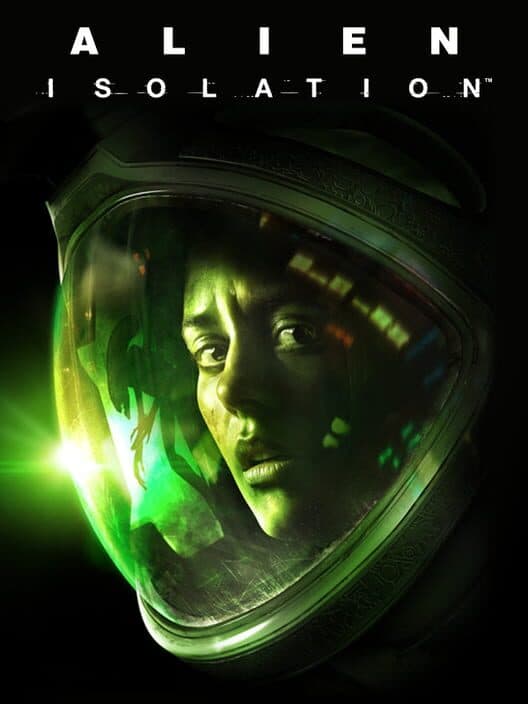
Yes, Alien: Isolation is worth it if you want slow-burn dread and stealth-heavy survival instead of power fantasy combat. Its biggest strength is immersion. Sevastopol Station looks and sounds incredible, and the alien creates the kind of unscripted close calls people remember years later. This is not a breezy action game, though. It asks for patience, full attention, and a tolerance for being hunted. The fixed save stations and sudden deaths can turn a great scare into a replayed stretch, and the campaign does feel a little long by the end. Buy at full price if you love tense cat-and-mouse gameplay, the first Alien film, or games where simple progress feels genuinely earned. Wait for a sale if you like horror in theory but dislike replaying sections or campaigns over 15 hours. Skip it if you want frequent combat wins, low-stress evening play, or something you can half-focus on while doing other things. For the right player, few games deliver atmosphere this well.

Feral Interactive • 2014 • PlayStation 4, PC (Microsoft Windows), Mac, Xbox One, PlayStation 3, Xbox 360, Nintendo Switch, Linux
Yes, Alien: Isolation is worth it if you want slow-burn dread and stealth-heavy survival instead of power fantasy combat. Its biggest strength is immersion. Sevastopol Station looks and sounds incredible, and the alien creates the kind of unscripted close calls people remember years later. This is not a breezy action game, though. It asks for patience, full attention, and a tolerance for being hunted. The fixed save stations and sudden deaths can turn a great scare into a replayed stretch, and the campaign does feel a little long by the end. Buy at full price if you love tense cat-and-mouse gameplay, the first Alien film, or games where simple progress feels genuinely earned. Wait for a sale if you like horror in theory but dislike replaying sections or campaigns over 15 hours. Skip it if you want frequent combat wins, low-stress evening play, or something you can half-focus on while doing other things. For the right player, few games deliver atmosphere this well.
Players consistently praise the retro-futurist art, machinery, interfaces, and sound design, saying Sevastopol feels uncannily close to stepping into the 1979 film.
A common complaint is that the middle and late game stretch the experience too far, softening the impact of a horror loop many players otherwise love.
Some players like the extra enemy types and world-building, while others feel those sections are less exciting than the pure alien-stalking stretches.
Its stalking behavior produces near escapes, surprise searches, and personal horror stories that feel dynamic instead of scripted, making it the game's defining feature.
Many players enjoy the pressure of manual saves, but long gaps between them can make a sudden death feel more annoying than scary after a replayed section.
Players consistently praise the retro-futurist art, machinery, interfaces, and sound design, saying Sevastopol feels uncannily close to stepping into the 1979 film.
Its stalking behavior produces near escapes, surprise searches, and personal horror stories that feel dynamic instead of scripted, making it the game's defining feature.
A common complaint is that the middle and late game stretch the experience too far, softening the impact of a horror loop many players otherwise love.
Many players enjoy the pressure of manual saves, but long gaps between them can make a sudden death feel more annoying than scary after a replayed section.
Some players like the extra enemy types and world-building, while others feel those sections are less exciting than the pure alien-stalking stretches.
The campaign is substantial but manageable, best in 60 to 90 minute chunks, with full pause helping real life more than saves do.
For most people, the full experience is one campaign run, which usually lands around 18 to 20 hours and can stretch higher if you die often or search thoroughly. That is a healthy size for a story-driven horror game, but it also explains the most common complaint: it can feel a few hours longer than its strongest ideas. In day-to-day use, it works best in 60 to 90 minute sessions. Objectives are usually clear enough that you can make real progress in that window, and full pause helps if life interrupts mid-scare. The bigger catch is saving. You cannot safely stop whenever you want, so a session often ends with one more push to reach a save station. Coming back after a week is manageable, though not seamless. You may need a few minutes to remember the station layout, your tool inventory, and what kind of threat the current area is built around. There are no group obligations, schedules, or multiplayer pressures.
You cannot half-watch TV here; most rooms demand careful listening, route planning, and short bursts of movement while danger circles just out of sight.
Alien: Isolation asks for real attention and rewards it with incredible tension. You are almost never just walking to the next marker. You are listening for vents, checking the motion tracker, reading sightlines, and deciding whether that side room is worth the risk. The thinking is more cautious than fast. Most of the time, you are planning a safe route, watching patrols, and deciding when to wait instead of when to fight. That makes it a poor fit for half-playing while chatting, folding laundry, or following a second screen. The good news is that its controls are simple, so the strain comes from awareness, not button complexity. When it clicks, every room feels like a small survival puzzle and every successful move feels smart. If you like stealth that makes you scan spaces and trust your ears, this is deeply satisfying. If you want something you can play on autopilot after a long day, it asks for too much attention.
Basic controls are easy, but real confidence takes hours of learning enemy habits, sound cues, and when to spend limited tools.
Getting started is simple. Moving, hiding, crafting, and using tools are easy enough to understand in the opening hours. The real learning curve is learning how the game wants you to think. You need to stop treating every problem like a fight and start reading rooms, noise, patrol paths, and escape options. The alien is especially important here. It feels unpredictable at first, but over time you start noticing habits, safe rhythms, and when a distraction is actually worth using. That means the game is harder to get comfortable with than to control. Mistakes are part of the process, and deaths teach useful lessons, but the save system makes those lessons sting more than they would in a checkpoint-heavy game. If you enjoy survival horror where knowledge slowly turns panic into competence, the curve feels rewarding. If you want quick empowerment or a smooth first-night learning experience, it can feel punishing before it feels smart.
The stress comes from being hunted, not flashy combat, with long quiet stretches that keep your nerves tight until the next precious save.
This game is very stressful in the way great horror can be. It does not bombard you with nonstop action. Instead, it stretches out the fear. You hide, listen, wait, then make a short move while wondering if the alien heard you. That slow burn keeps your body tense longer than many louder games. The pressure also comes from fixed save stations. Dying rarely destroys hours of progress, but losing ten or fifteen hard-won minutes can sting enough to turn fear into frustration. The payoff is strong if you enjoy that feeling. Reaching a save point after a dangerous stretch feels amazing, and the station's sound design keeps even quiet moments loaded with danger. This is best played when you want a focused, high-stress session and can handle being a little keyed up. It is not a cozy wind-down game, even though much of it is spent crouching rather than shooting.
Games with a similar rhythm and feel, even if they look different