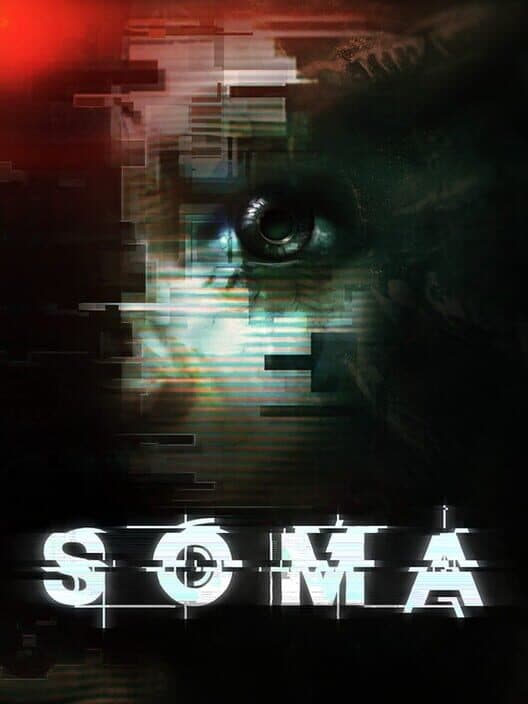
Soma

Frictional Games2015PlayStation 4, Linux, PC (Microsoft Windows), Mac, Xbox One, Nintendo Switch
Story-driven underwater sci-fi horror game

Single 8–12 hour narrative playthrough

No combat, tense stealth and puzzles

Is Soma Worth It?

SOMA is absolutely worth it if you enjoy story-driven horror and can handle some emotional heaviness. It delivers a tight 8–12 hour sci-fi tale about identity and consciousness that sticks with many players for years. You’ll explore an underwater facility, read logs, solve simple puzzles, and sneak past disturbing creatures you can’t fight, all in service of a powerful narrative payoff. What it asks from you is mainly emotional resilience and a willingness to slow down for reading and atmosphere rather than constant action. There’s minimal replay value and almost no character customization, so don’t expect a long-term hobby or deep systems to master. If you love thoughtful, unsettling stories and want a focused game you can finish in a couple of weeks, it’s easily worth full price. If horror isn’t usually your genre but the premise intrigues you, consider picking it up on sale and using Safe Mode. If you need lighthearted escapism, co-op fun, or rich progression systems, this is one to skip for now.

When is Soma at its best?

You have a quiet evening, 60–90 minutes free, and want a single gripping story chapter that will leave you thinking after you turn off the screen.

You’re in the mood for horror and big questions about identity, but you don’t want the mechanical stress of complex combat or learning dense systems.

It’s a weekend night, you can play with headphones and lights off, and you’re ready to treat the game like a short, unnerving sci-fi miniseries.

What is Soma like?

SOMA is designed as a single, finite story rather than an ongoing hobby. Most players will see the credits in 8–12 hours, which fits comfortably into a week or two of 60–90 minute sessions for a busy adult. There’s no side mode, endless grind, or complex meta to manage once you’re done; the experience feels complete after one thoughtful run. Sessions are naturally broken up by area transitions, major reveals, and shuttle rides, which make great stopping points. The game autosaves often, and you can pause any time, so it handles real-life interruptions well. The main limitation is its checkpoint-based saving—you can’t always preserve progress at the exact moment you’d like, though segments between checkpoints are usually short. Coming back after a few days away is easy thanks to simple controls and clear short-term goals, though you might reread a couple of logs to refresh details. It’s entirely solo, so you never need to coordinate with others to make progress.

Tips

  • Aim to finish the game within one or two weeks so the story and emotional throughline stay fresh in your mind.
  • Try to stop at natural transitions, like entering a new sector or finishing a big task, to make it easier to remember your place later.
  • Use Safe Mode if you’re short on energy; reduced threat lets you progress steadily without repeating tense sections after a long day.

Moment to moment, SOMA asks for steady, deliberate attention rather than lightning-fast reactions. You’ll spend a lot of time reading emails, listening to audio logs, and studying rooms to spot cables, switches, and routes forward. When monsters appear, the tone shifts and you’ll listen carefully for footsteps and distorted sounds, peeking around corners and planning a path between bits of cover. These stealth sections feel tense, but they’re short compared to the quieter exploration and story moments. This isn’t a background “podcast game.” You’ll want to keep your eyes and ears on the screen, but the thinking you do is simple and grounded in the environment rather than complicated menus. Busy adults can handle it after work because it doesn’t demand heavy mental calculation; it just asks that you be present and willing to read, listen, and soak in the atmosphere.

Tips

  • Play with headphones and low lighting so you can clearly hear audio cues and better follow conversations without outside distractions.
  • Treat each 60–90 minute session like an episode of a show, ending at a big story beat or area transition.
  • In stealth sections, slow down and watch enemy patterns instead of rushing; planning your route reduces both mistakes and stress.

Learning how to play SOMA doesn’t take long. Within the first hour, you’ll know how to move, crouch, interact with objects, and hide when something nasty is nearby. Puzzles follow consistent logic—trace cables, find power sources, look for keycards—so once you’ve solved a few, later ones feel familiar rather than tricky. There are no complicated combat systems, stats, or builds to manage. Because of this, there isn’t a lot of payoff for deep mechanical mastery. You can get a little better at stealth—reading enemy patterns, choosing smarter hiding spots—but that mostly makes a handful of sections smoother, not fundamentally different. The real “skill” SOMA rewards is careful observation and a willingness to think about its ideas. The more you pay attention to terminals, conversations, and environmental details, the richer the story feels. For busy adults, this means you won’t need to grind practice or relearn complex mechanics if you take a break for a few days.

Tips

  • If you’re stuck on a puzzle, slowly trace cables and recheck nearby terminals; the clue is almost always in the environment.
  • Don’t stress about playing perfectly during stealth; minor mistakes rarely cost much time, and learning layouts is part of the experience.
  • Focus on reading logs and listening to conversations carefully—this “soft skill” matters more than mastering precise movement or timing.

SOMA is intense far more in mood than in mechanics. The game constantly leans on claustrophobic spaces, distorted audio, and broken bodies to keep you on edge. Even when nothing is chasing you, you often feel like something could be, which raises your heart rate over a long stretch of play. Occasional chase or close-call stealth moments spike the tension, especially if you’re easily startled by loud noises or sudden enemy appearances. Mechanical punishment is moderate: deaths usually send you back a short distance, and puzzles are rarely taxing. The real strain comes from the psychological weight of what you see and the bleak philosophical questions the story forces you to confront. If you’re sensitive to body horror or existential dread, this can feel emotionally draining. Safe Mode is an important option here, turning enemies into non-lethal threats so you can reduce fear while still experiencing the story. Overall, expect a gripping, sometimes exhausting ride rather than a relaxing evening wind-down.

Tips

  • If horror drains you, consider starting in Safe Mode so enemies can’t kill you, keeping tension without overwhelming fear.
  • Play in shorter, 60–75 minute bursts to avoid emotional fatigue; stop after big story moments to process what just happened.
  • Avoid late-night sessions if disturbing imagery lingers in your mind, especially if you already struggle with sleep or anxiety.

Frequently Asked Questions