Powered by IGDB•Privacy•Terms

© 2026 Slated.gg

Slated.gg
Popular GamesAbout

Quarantine Zone: The Last Check

Devolver Digital • 2026 • PC (Microsoft Windows)
Satisfying to complete

Is Quarantine Zone: The Last Check Worth It?

Quarantine Zone: The Last Check is worth it if you enjoy tense, systems-driven games where every decision matters and you can handle a grim setting. For roughly twenty dollars, you get a tight 6–12 hour campaign built around intensive survivor inspections, tough moral choices, and meaningful base upgrades. The game asks for real concentration and a tolerance for stress: you’re deciding who lives, who’s quarantined, and who’s executed, and it doesn’t sugarcoat the consequences. In return, it delivers a strong sense of responsibility and relief when your careful judgment actually keeps people alive. If you liked Papers, Please, Frostpunk, or management games with moral weight, buying at full price makes sense. If you’re mainly after relaxed, low-stakes play or flashy combat, this will likely feel too slow and heavy; consider a sale or skipping. There are no microtransactions, and while there is some replay value in different builds and endless mode, many players will feel satisfied after one campaign plus a bit of experimentation.

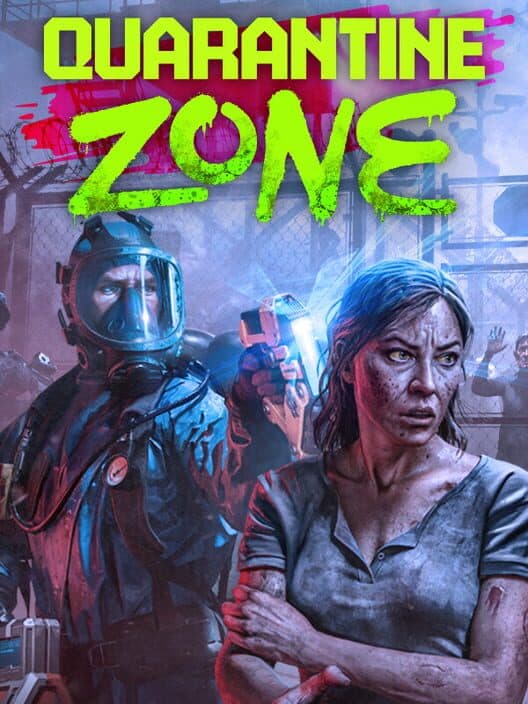
Quarantine Zone: The Last Check cover art

Quarantine Zone: The Last Check

Devolver Digital • 2026 • PC (Microsoft Windows)

Satisfying to complete

Is Quarantine Zone: The Last Check Worth It?

Quarantine Zone: The Last Check is worth it if you enjoy tense, systems-driven games where every decision matters and you can handle a grim setting. For roughly twenty dollars, you get a tight 6–12 hour campaign built around intensive survivor inspections, tough moral choices, and meaningful base upgrades. The game asks for real concentration and a tolerance for stress: you’re deciding who lives, who’s quarantined, and who’s executed, and it doesn’t sugarcoat the consequences. In return, it delivers a strong sense of responsibility and relief when your careful judgment actually keeps people alive. If you liked Papers, Please, Frostpunk, or management games with moral weight, buying at full price makes sense. If you’re mainly after relaxed, low-stakes play or flashy combat, this will likely feel too slow and heavy; consider a sale or skipping. There are no microtransactions, and while there is some replay value in different builds and endless mode, many players will feel satisfied after one campaign plus a bit of experimentation.

When is Quarantine Zone: The Last Check at its best?

When you have a quiet evening with 60–90 minutes free and want something tense and thoughtful instead of pure comfort or brain-off action.

When you’re in the mood to chew on moral dilemmas, talking through each tough call with a partner on the couch while only one of you handles the controls.

During a focused weekend where you can play two or three sessions and see an entire outbreak scenario through, from first nervous survivor to final extraction outcome.

What is Quarantine Zone: The Last Check like?

Commitment

LOW

Commitment

A tight 6–12 hour campaign built for 60–90 minute sessions, easy to pause but harder to return to after long breaks.

LOW

This is a compact, campaign-based game rather than a forever hobby. One outbreak scenario will likely take you 6–12 hours, which for a busy adult translates to one or two weeks of regular play. Sessions naturally fall into 60–90 minute chunks built around in-game days, big attacks, and extraction events, so it’s easy to fit around work and family. You can pause instantly at any time, which makes handling interruptions simple. The main structural friction is the strict autosave system: you can’t drop a manual save before every decision or easily branch runs, and quitting mid-day may mean replaying some minutes. Coming back after a long gap can also be rough because you’ll need to re-learn symptom logic and remember your upgrade plan. The game asks for a focused short-term commitment rather than scattered, once-a-month sessions, and in return it delivers a complete, satisfying arc without demanding months of your life.

Tips

  • Think of a campaign as a short series: aim to finish within a couple of weeks so you don’t forget rules and priorities.
  • Try to stop after an in-game sleep or major event; those beats make it much easier to remember what was happening next time.
  • If you expect a long break, jot down your current upgrade goals and quarantine strategy so you can quickly rebuild context later.

Focus

HIGH

Focus

Mentally demanding and detail-heavy, with constant small decisions and modest action, best enjoyed when you can give it real, undistracted attention.

HIGH

This is a game that really wants your brain switched on. Most of a session is spent scanning survivors for subtle signs of infection, cross-checking them against your mental rules, and then deciding where to send each person. On top of that, you’re tracking fuel, food, medicine, and upgrade plans for the base. The result is a steady stream of small but meaningful choices rather than long stretches of autopilot. Reflex demands sit in the middle of the road: inspections are deliberate, but horde attacks still require you to aim and react at a reasonable pace. You shouldn’t expect to watch a show on the side or zone out during play; when the game is unpaused, you’re better off paying attention. In return, you get a satisfying feeling of sharpness and responsibility, like working through a tough but solvable case file where lives are on the line.

Tips

  • Play when you have at least an hour of reasonably clear headspace; tired, rushed sessions lead to careless inspection mistakes.
  • Use pause liberally during busy queues or defenses to reorient, scan the screen, and double-check decisions before you lock them in.
  • If you feel mentally drained, shift a session toward quieter base management and planning rather than pushing through intense inspection days.

Mastery

MODERATE

Mastery

Takes a few evenings to learn, with noticeable rewards as you internalize patterns and streamline your operation.

MODERATE

You don’t need to be a grand-strategy guru to handle this game, but you do need a bit of patience upfront. The early hours are about learning symptom combinations, understanding which tools reveal what, and seeing how quarantine timing interacts with infection spread. At the same time, you’re grasping how money, research points, and base modules link together. Within a few sessions, most players will feel they “get” the basics and can finish days without being totally overwhelmed. From there, the game rewards gradual mastery: sharper pattern recognition, smarter routing, and savvier upgrade choices translate into smoother days and fewer close calls. You’ll feel the difference between clumsy early play and later, confident triage. The ceiling isn’t infinite—there’s no ranked ladder or obscure mechanical tech—but there’s enough depth that improvement stays satisfying across a full campaign, especially if you enjoy optimization puzzles.

Tips

  • Keep a simple reference for common symptoms and routes handy early on; it reduces frustration and speeds up your learning curve.
  • Focus on mastering one layer at a time—inspections first, then base economy, then defenses—rather than trying to perfect everything at once.
  • If you start feeling stuck, relax your goals from ‘perfect survival’ to ‘good enough’; you can always refine in a later run.

Intensity

MODERATE

Intensity

Emotionally heavy and fairly punishing, with steady tension and harsh consequences, but not the sheer brutality of the hardest action games.

MODERATE

The intensity here comes less from constant jump scares and more from the weight of your decisions. Almost every mistake costs someone their life, and the game doesn’t flinch from showing executions, failed quarantines, and collapsed living blocks. That moral pressure, combined with a system where bad calls can spiral into riots or failed defenses, keeps a steady knot in your stomach. Difficulty on default settings sits in the upper-middle range: very capable of pushing you back a day or two, but not designed to humiliate you. When horde alarms sound, stress spikes as you scramble to hold a line you’ve invested hours into. Between big events, quieter planning moments give you a chance to catch your breath without losing the sense of looming danger. If you can tolerate tension and grim subject matter, the game delivers strong catharsis when things finally go right. If you’re already wound up from work or life, it may feel more draining than you want on some nights.

Tips

  • Save this for evenings when you can handle some tension; on rough days, pick something lighter instead of forcing a session.
  • Stick to the default difficulty and treat early failures as learning runs so setbacks feel instructive, not demoralizing.
  • Consider ending sessions after major wins or extractions so you walk away on a high point rather than mid-crisis.

Frequently Asked Questions

You Might Also Like

Games with a similar rhythm and feel, even if they look different

Moonlighter game cover art
Satisfying to complete

Moonlighter

Commitment
LOW
Focus
MODERATE
Mastery
LOW
Intensity
LOW
The Alters game cover art
Satisfying to complete

The Alters

Commitment
MODERATE
Focus
HIGH
Mastery
MODERATE
Intensity
MODERATE
Hardspace: Shipbreaker game cover art
Satisfying to complete

Hardspace: Shipbreaker

Commitment
MODERATE
Focus
MODERATE
Mastery
MODERATE
Intensity
LOW
Sifu game cover art
Satisfying to complete

Sifu

Commitment
MODERATE
Focus
HIGH
Mastery
HIGH
Intensity
HIGH
Stellar Blade game cover art

Stellar Blade

Commitment
MODERATE
Focus
HIGH
Mastery
MODERATE
Intensity
HIGH
Control game cover art
Satisfying to complete

Control

Commitment
LOW
Focus
MODERATE
Mastery
MODERATE
Intensity
MODERATE
← Back to Home