hello@slated.gg
Powered by IGDB•Privacy•Terms

© 2026 Slated.gg

Slated.gg
Popular GamesAboutDiscover Games
The Lost Wild

Annapurna Interactive • 2027 • PC (Microsoft Windows), PlayStation 5
Satisfying to completePerfect for a weekendEmotionally heavy
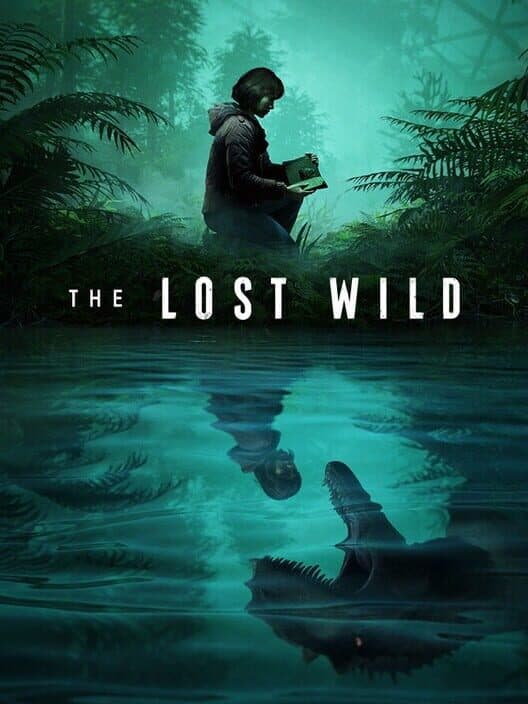
The Lost Wild cover art

The Lost Wild

Annapurna Interactive • 2027 • PC (Microsoft Windows), PlayStation 5

Satisfying to completePerfect for a weekendEmotionally heavy

Is The Lost Wild Worth It?

The Lost Wild looks worth watching closely, but for most people it is a wait-for-reviews game rather than an automatic full-price buy. If you love survival horror, stealth under pressure, and the idea of being prey in a dinosaur habitat, this could be right in your lane. What makes it stand out is the fantasy: you are not the action hero with the big gun. You survive by reading animal behavior, using cover, and making smart, nervous decisions in overgrown labs and jungle paths. That is a strong hook, and early previews are very positive about the atmosphere. The caution is simple: the game is still unreleased, so nobody can yet confirm whether the full campaign keeps that tension fresh for 10-plus hours. Buy at launch if that exact mix of dread, stealth, and dinosaurs sounds irresistible. Wait for reviews or a sale if you are unsure about limited saves or stress-heavy play. Skip it if you want empowerment, co-op, or something relaxing after work.

What is The Lost Wild like?

Opinions of The Lost Wild

What Players Love

  • Players Love

    Atmosphere and sound design make every encounter feel dangerous

    Preview coverage keeps praising the jungle, ruined labs, and audio cues that make you feel hunted. The big appeal is dread and immersion, not action spectacle.

  • Players Love

    Dinosaurs behaving like animals gives the horror a fresh edge

    Players and preview writers alike love that the creatures seem like wildlife with instincts and territory, not boss fights waiting for your shotgun.

Common Concerns

  • Common Concern

    The full campaign still needs to prove its staying power

    The demo impressed people, but a short slice cannot answer whether the full game keeps up the tension, polish, and encounter variety for hours.

Divisive Aspects

  • Divisive

    The hunted and helpless tone will not suit everyone

    That prey fantasy is exactly why horror fans are excited, but it also looks exhausting for players who want a calmer night or more control.

What does The Lost Wild demand from you?

Time

LOW

Time

This seems like a finite solo adventure you can finish over a few weeks, though limited saves may make quitting mid-run less comfortable.

LOW

Right now, this looks like a manageable but not ultra-flexible story game. The likely finish line seems closer to a 10 to 14 hour campaign than a huge months-long project, which is good news if you want a complete experience without turning it into your whole gaming life. It is also clearly a solo game, so there are no friends, clans, or weekly chores pulling on your schedule. Where the time ask gets trickier is moment-to-moment convenience. In the middle of a session, full pause should make sudden real-life interruptions easy to handle. You can stop the action when needed without the game continuing to stalk you in the background. Quitting cleanly may be a different story. Preview coverage suggests limited saves, which could make short or unpredictable sessions less comfortable. The structure seems to offer clear local goals, like reaching the next facility, clue, or safe point, so 60 to 90 minute sessions should fit well. If you return after a week away, you will probably need a few minutes to remember your route, tools, and the current predator problem. Manageable, yes. Frictionless, probably not.

Tips
  • Start sessions only when you have at least an hour. Limited saves could make very short play windows more frustrating than satisfying.
  • If you take a week off, spend two minutes checking your objective and supplies before moving. It should save you a sloppy re-entry.
  • Pause freely for real-life interruptions, but push to the next safe point before quitting when possible to avoid repeating a tense stretch.

Focus

HIGH

Focus

You are reading sound, sightlines, and predator behavior almost constantly, with short bursts of quick reaction sitting on top of mostly careful, deliberate play.

HIGH

This is the kind of horror game that asks for steady attention almost every minute you are in control. You are not memorizing giant skill trees or juggling dozens of systems, but you are constantly reading the space around you. Sightlines, foliage, shadows, sound, flashlight use, and predator movement all seem to matter at once. A lot of the thinking is quiet and deliberate. You pause behind cover, listen, and decide whether to stay still, crawl, or make a risky move to the next safe spot. Then the pace can flip fast when something notices you. In those moments, quick reactions matter, but they look secondary to the choices you made a few seconds earlier. That makes the game feel more like careful survival than twitch shooting. The payoff for that attention is strong immersion. When you succeed, it should feel like you survived because you stayed calm and read the room correctly, not because you had bigger firepower. This is not a good second-screen game. It looks best when you can give it your full eyes and ears.

Tips
  • Use headphones if you can; footsteps, rustling, and distant calls are likely part of how you judge when to move.
  • Play when you can give it full screen attention. Looking away for a text reply could be enough to miss a danger cue.
  • If you keep dying, slow down instead of rushing. A safer route or better hiding spot probably matters more than faster hands.

Challenge

MODERATE

Challenge

Simple controls should get you moving quickly, but real confidence comes from learning animal behavior, accepting a few failures, and staying calm under pressure.

MODERATE

The controls themselves do not seem especially hard to grasp. Hiding, moving carefully, using simple tools, and following a story path are all familiar ideas. The real learning comes from understanding what the island's predators notice and how they react. That is why the game may feel approachable in the first hour but still demanding several evenings later. You are learning behavior, not just buttons. What counts as safe cover? How much sound is too much? When does a creature investigate, commit, or back off? Those answers likely come through tense trial and error. The good news is that this kind of learning can feel rewarding fast. Even a small improvement, like reading a patrol path correctly or surviving a sequence you failed before, gives immediate payoff. The harder part is that mistakes may sting. Preview reporting points to limited saves, so failure may cost enough time to keep the pressure high. This does not look like a game with a giant wall of systems or spreadsheet-level complexity. It looks like one that teaches through fear, observation, and repetition. If you enjoy getting sharper through close calls, that curve may feel satisfying rather than overwhelming.

Tips
  • Expect your first few failures to be part of learning. Watch what the dinosaur reacted to before retrying the same section.
  • Use each safe area to reset your plan. Decide your next cover spot before leaving, rather than improvising once exposed.
  • Experiment with distractions early. Finding what buys you two extra seconds may matter more than mastering any single route.

Intensity

HIGH

Intensity

It looks emotionally intense in a slow-burn way, turning quiet jungle walks and dark facilities into nerve-wracking spaces where being spotted can flip everything.

HIGH

The emotional load looks high from start to finish. The whole promise of The Lost Wild is that dinosaurs are not targets to farm. They are large, territorial predators, and you are the smaller thing trying not to be found. That creates a very specific kind of stress. Most of it is slow-burn dread rather than nonstop action. You spend time creeping through jungle or ruined facilities, never fully sure whether the next sound means danger or just a false alarm. When the pressure breaks, it likely breaks hard, with short chases or close calls that spike your heart rate fast. The challenge seems real too, especially because learning may involve a few deaths and retried sections. What keeps this from looking brutal in a punishing action-game way is the focus on observation over execution. The fear comes from vulnerability and uncertainty more than from insanely tight inputs. If you enjoy horror that makes you feel hunted, that tension is the reward. If you want something soothing after work, this could easily feel like too much.

Tips
  • Treat it like a horror movie night, not a wind-down podcast game. It will likely land better when you want tension on purpose.
  • Stop after a save point if your heart rate is still high. Fatigue can turn smart play into panic in games like this.
  • Lower room distractions, but keep volume comfortable. Clear audio cues matter more here than turning every scare into sensory overload.

Frequently Asked Questions

Best guess: moderately hard, with some spikes that could feel harsh. The Lost Wild does not look hard in the way a combo fighter or precise shooter is hard. You probably will not need perfect aim or fast move lists. The challenge seems to come from being fragile, reading predator behavior, and making the right call when you are spotted. That puts it closer to Alien: Isolation or the tenser parts of Resident Evil than to Dark Souls or Sekiro. Learning the basics should be manageable in the first few hours, but feeling calm around each dinosaur type may take longer. Limited saves could also make mistakes sting more than they would in a checkpoint-heavy action game. The biggest unknown is options. Since the game is not out yet, difficulty settings and accessibility tools have not been fully documented. If you enjoy stealth, horror, and learning through a few tense failures, it should feel demanding but fair. If you want a breezy ride or dislike repeating sections, it may feel tougher than the controls themselves suggest.

Best current guess is about 10 to 14 hours for a main-path playthrough, and roughly 14 to 18 if you explore more carefully for story details and supplies. That estimate is provisional because the game is still unreleased, but everything shown so far points to a finite story adventure rather than a huge open-ended time sink. Sessions should work best in the 60 to 90 minute range. You will likely spend that time moving through one facility or stretch of jungle, surviving a few major predator encounters, then pushing to the next safe point or story beat. The big caveat is saving. Preview coverage suggests limited saves, so this may not be the kind of game where you quit at any random second without losing progress. If you only have 20 minutes, it may feel awkward. If you have a few evenings each week, it looks very manageable. Replay value seems moderate rather than endless, coming from cleaner stealth runs, learning predator behavior better, and revisiting the atmosphere after finishing the story once.

This looks very stressful in the good horror way, and probably a bad fit if you are hoping to unwind gently. The whole fantasy is built around being prey. That means long stretches of listening, hiding, and watching for movement, followed by short bursts of panic when a dinosaur closes in or spots you. The pressure seems less about button speed and more about the feeling that one bad choice can turn a quiet scene into a chase. For horror fans, that can be the exact payoff. You get the rush of surviving something that felt bigger and smarter than you. For everyone else, it may be exhausting, especially after a long workday. The save setup could add extra strain too, since mistakes may cost more than just a few seconds. The bright side is that it is single-player and appears to support full pause, so you should be able to stop the action when real life cuts in. Best time to play is when you want immersion and tension. Worst time is when you want background gaming or easy comfort.

Yes. In fact, The Lost Wild appears to be built specifically for solo play. Every official listing points to a one-player experience with no co-op, no PvP, and no social systems you need to keep up with. That fits the tone. The whole appeal is isolation, vulnerability, and learning how to survive in spaces where you feel outmatched. Adding partners would change that fantasy completely. For practical play, solo is also a plus. You will not need a group, a schedule, or voice chat. You can play at your own pace, pause when needed, and step away without letting anyone down. The only real caveat is that solo does not automatically mean easygoing. This still looks like a tense game that asks for focus and may use limited saves, so it is friendly to your calendar but not always friendly to your nerves. Returning after a week away may take a few minutes of reorientation, yet it should still be much easier to manage than any game built around teams, raids, or online progression. If you prefer playing alone and like horror, that is one of its biggest strengths.

No. Based on every official store page available right now, The Lost Wild is a standard premium single-player purchase with no advertised cash shop, battle pass, booster packs, or paid power. There is also no competitive mode where spending money could buy an advantage over other players. That makes pay-to-win concerns extremely low. The small caveat is that the game is still unreleased, so store plans can always change before launch. Still, there is nothing in the current messaging that hints at monetized gameplay advantages. Everything points to a self-contained horror game where the challenge comes from the design itself, not from pressure to spend more after buying it. For most players, the more useful money question is not whether it will nickel-and-dime you, but whether the full campaign will justify full price on day one. Since previews are positive but limited, the safest plan is simple: if you are not already sold on stealthy dinosaur horror, wait for reviews. But on the pay-to-win question itself, this looks like a clear no.

You Might Also Like

Games with a similar rhythm and feel, even if they look different
Explore more→
Alien: Isolation game cover art
Satisfying to completePerfect for a weekend

Alien: Isolation

Time
MODERATE
Focus
HIGH
Challenge
MODERATE
Intensity
HIGH
Ill game cover art
Satisfying to completePerfect for a weekend

Ill

Time
MODERATE
Focus
HIGH
Challenge
MODERATE
Intensity
HIGH
Cairn game cover art
Satisfying to completePerfect for a weekend

Cairn

Time
MODERATE
Focus
HIGH
Challenge
HIGH
Intensity
HIGH
The Mortuary Assistant game cover art
Perfect for a weekendTense

The Mortuary Assistant

Time
LOW
Focus
MODERATE
Challenge
MODERATE
Intensity
HIGH
Tenebris Somnia game cover art
Emotionally heavyTense

Tenebris Somnia

Time
LOW
Focus
MODERATE
Challenge
MODERATE
Intensity
HIGH
Signalis game cover art
Emotionally heavy

Signalis

Time
MODERATE
Focus
HIGH
Challenge
MODERATE
Intensity
HIGH
← Back to Home