hello@slated.gg
Powered by IGDB•Privacy•Terms

© 2026 Slated.gg

Slated.gg
Popular GamesAboutDiscover Games
Tenebris Somnia

Saibot Studios • 2026 • Xbox Series X|S, Nintendo Switch 2, PC (Microsoft Windows), PlayStation 5, Nintendo Switch
Emotionally heavyTense
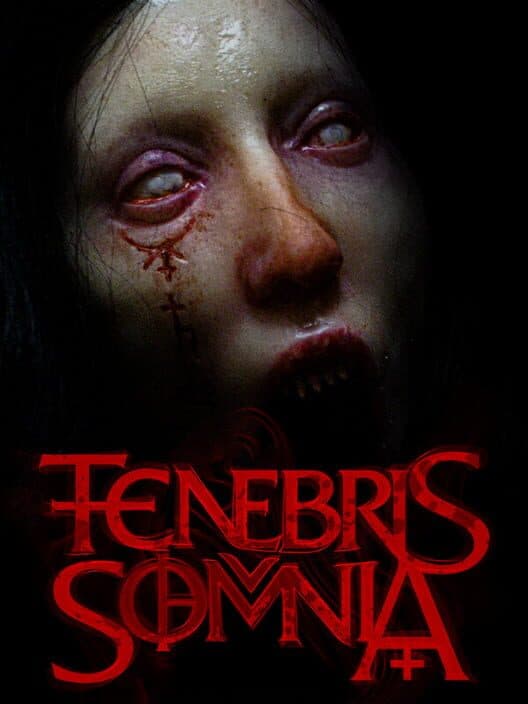
Tenebris Somnia cover art

Tenebris Somnia

Saibot Studios • 2026 • Xbox Series X|S, Nintendo Switch 2, PC (Microsoft Windows), PlayStation 5, Nintendo Switch

Emotionally heavyTense

Is Tenebris Somnia Worth It?

Based on the current demo and pre-release footage, Tenebris Somnia looks worth it for people who want a short, nasty horror trip built around mood, puzzles, and one very strong gimmick. The live-action scenes are not just weird window dressing. They seem to be the thing that makes the game stick in your head, turning a retro 2D nightmare into something much more unsettling. If you love older survival horror that asks you to search rooms, combine items, and live with a little friction, this looks promising. I would still be cautious about paying full price before launch reviews. The biggest question is polish, not premise. Demo feedback keeps circling the same risks: stiff combat, vague puzzle signaling, and a save structure that may be less flexible than the short length deserves. Buy at full price if that classic roughness sounds appealing and you mainly want atmosphere. Wait for a sale or reviews if you want smoother controls and clearer guidance. Skip it if gore, dread, or trial-and-error puzzles drain you faster than they excite you.

What is Tenebris Somnia like?

Opinions of Tenebris Somnia

What Players Love

  • Players Love

    The live-action scenes make the horror feel truly unique

    Players consistently say the jump from pixel art to filmed sequences feels memorable instead of gimmicky, giving the game a horror identity that stands out fast.

  • Players Love

    Atmosphere and creature design create immediate dread throughout

    Preview players keep praising the oppressive mood, grotesque monsters, and constant sense that something awful is nearby, even in quieter exploration stretches.

Common Concerns

  • Common Concern

    Combat and keyboard controls still feel awkward for many players

    The most common complaint is stiff fighting and awkward PC inputs, with weapon use and attack flow sometimes feeling harder to manage than the enemies themselves.

  • Common Concern

    Puzzle clues and interactables can be too vague

    Several players say progress can stall because usable objects and clue logic are not always signposted clearly, especially if you do not enjoy trial-and-error adventure design.

  • Common Concern

    Translation and cutscene polish remain minor watch points

    The broader mood is positive, but translation quality and occasional cutscene stutter still come up as polish concerns that players want cleaned up before launch.

Divisive Aspects

  • Divisive

    Old-school survival horror friction will split players sharply

    Some players love the deliberate, awkward feel as part of the classic horror throwback, while others see the same friction as dated and needlessly rough.

What does Tenebris Somnia demand from you?

Time

LOW

Time

This looks like a short solo run you can finish over a week or two, though auto-saves and cryptic puzzle state can make stopping awkward.

LOW

This looks like a compact one-run experience. Current estimates point to about 5 to 10 hours for most people, which makes it easier to fit across a week or two than a giant open-ended game. Sessions around 45 to 90 minutes make the most sense because you will usually want enough time to solve one gate, survive one scary stretch, and reach a new safe-feeling room cluster before stopping. It also helps that the game fully pauses and has no online demands, matchmaking, or group scheduling to worry about. The catch is stop-start smoothness. Public info suggests auto-save rather than full save-anywhere freedom, and this kind of puzzle-heavy horror is easy to return to cold if you stopped halfway through a clue chain. So it respects interruptions in the moment, but not always your memory a week later. If you keep brief notes or stop after clear progress beats, it should work well. If you often bounce away from games mid-puzzle and come back days later, it may feel more stubborn than its short length suggests.

Tips
  • End after major gate clears
  • Avoid quitting mid-puzzle
  • Resume with inventory check

Focus

MODERATE

Focus

You need to stay locked in for clues, notes, and item use, but the game asks for patient observation far more than lightning-fast hands.

MODERATE

This is a heads-down game. It asks you to notice small objects, read notes, remember blocked doors, and test item combinations, often while the room itself is trying to keep you uneasy. The action side matters, but it does not dominate the way it would in a faster game. Most of the real work is mental: tracking what you've learned, spotting what changed, and deciding whether an enemy is worth fighting or better avoided. That trade is the appeal. In return for your attention, you get the slow satisfaction of piecing together a nightmare space one clue at a time. The game seems built for players who enjoy poking at rooms and letting dread build between sharper spikes. It is not a good fit for second-screen play or tired late-night zoning out. You can pause whenever life interrupts, but while you are actively playing, it wants your eyes and brain fully in the room with it.

Tips
  • Photograph notes on your phone
  • Use headphones for danger cues
  • Clear one room cluster first

Challenge

MODERATE

Challenge

It is less about mastering combos and more about learning its old-school logic, stiff combat rhythm, and what the game considers important.

MODERATE

This does not look brutally complex, but it does look fussy in a very classic way. The hard part is learning what the game expects: which objects matter, how item use is signaled, how much experimentation is intended, and how to survive fights that seem deliberately stiff rather than smooth. Most players should understand the basic loop within a few hours, but feeling comfortable may take longer than the short campaign suggests. In return, the game seems ready to reward patience more than raw talent. Solving a stuck puzzle, reading a room correctly, or surviving a tense encounter should feel earned because the game does not over-explain itself. Mistakes probably will not erase hours of progress, but the likely auto-save setup and cryptic clue chains mean wrong turns can still feel costly. If you enjoy older survival horror, that friction may feel part of the flavor. If you want clean tutorials, quick readability, and smooth combat from the first hour, the learning phase could be the biggest barrier.

Tips
  • Try a controller first
  • Test items on everything
  • Expect old-school awkwardness

Intensity

HIGH

Intensity

The fear comes from dread, gore, and sudden live-action shocks, with enough combat danger to keep you tense even during slower puzzle stretches.

HIGH

The mood looks heavy from start to finish. Even quiet stretches seem coated in dread, and the live-action scenes appear designed to turn that unease into a stronger, more physical jolt. That means the pressure here is less about nonstop mechanical punishment and more about feeling watched, unsafe, and unsure when the next ugly surprise will hit. When enemies do show up, the awkward, deliberate combat can make them feel nastier than simple health bars would suggest. What you get back is memorable horror. If the final game lands, it should deliver the kind of fear that sticks because the presentation is unusual, not just loud. This is good stress for players who like oppressive atmosphere and sudden shocks. It is bad stress if gore, dread, or old-school helplessness wears you down fast. Best played when you have some emotional bandwidth and not much else competing for your attention.

Tips
  • Skip it right before bed
  • Stop after big cinematics
  • Use shorter horror sessions

Frequently Asked Questions

Based on the demo, Tenebris Somnia looks medium-hard, but mostly because it can be awkward rather than brutally demanding. It does not seem hard in the way a fast action game or a punishing boss rush is hard. A lot of the challenge comes from old-school survival-horror habits: reading clues carefully, figuring out item use, managing space in fights, and coping with controls that some players already find stiff. That means it may feel tougher in the first few hours than it does later, once you understand its logic. Hard to learn and hard to master are different here. Basic competence should come within a few sessions. You will likely grasp the loop long before you feel smooth at it. Think closer to older Resident Evil or Silent Hill friction than a Souls-like wall. If the final build improves clarity and controls, the game could land in a comfortable middle tier. If not, players who dislike vague puzzles or clunky combat may find it more frustrating than scary.

Expect roughly 5 to 10 hours for a first run, based on current store estimates and demo pacing. If you like searching every room or get hung up on a few clue chains, that could stretch closer to 8 to 12 hours. This does not look like a months-long game. It looks like the kind of horror story you finish once over a week or two and feel satisfied. Sessions of 45 to 90 minutes should work best. That gives you enough time to solve a meaningful puzzle, survive an enemy stretch, and reach a sensible stopping point. The good news is that the game fully pauses and has no online commitments. The less good news is the likely auto-save setup. If checkpoints are spaced out, you may sometimes want to play a little longer than planned before quitting. It also seems like the kind of game that is easier to remember if you stop after clear progress instead of dropping it mid-puzzle for several days.

Yes, Tenebris Somnia looks stressful in the good horror-movie way. The stress seems to come more from dread, gore, and sudden live-action shocks than from nonstop fast action. Quiet exploration does give you some breathing room, but it may also make you more tense because you are waiting for the next thing to go wrong. That kind of slow pressure can be more draining than constant noise. There is also a small layer of bad stress to watch for. When puzzle clues are vague or combat feels stiff, frustration can mix with fear. So the game may be most enjoyable when you are alert and in the mood for something oppressive, not when you are already tired or short on patience. If you love creepy atmosphere and can handle blood and disturbing imagery, this looks like the kind of stress you actively want. If you prefer relaxing evenings, lighter stories, or very clear objectives, this may feel more exhausting than fun. I would not make it your just-before-bed comfort game.

Yes, and solo play is clearly the intended way to experience it. There is no co-op, no matchmaking, no party coordination, and no pressure to keep up with other people. That makes it easier to fit around real life than games that depend on group schedules. You can play in short chunks, pause when needed, and come back without worrying that friends moved ahead without you. The main caveat is that solo-friendly is not the same as low-effort. This does not look like great background play. You still need enough attention to track clues, remember locked paths, and handle enemy encounters without panicking. It is also probably best to stop after a clear piece of progress, because coming back days later in the middle of an unfinished puzzle may be rough. So yes, you can absolutely play it on your own and on your own schedule. Just make sure the chunk you choose is one where you can give it real attention, not half-watch it while doing three other things.

No. Everything public points to a normal one-time purchase with no boosters, no battle pass, no premium currency, and no paid power of any kind. It is also a single-player game, so the usual pay-to-win question barely applies in the first place. Based on current store pages, you buy the game and play the game. That said, no hidden spending does not automatically mean no buying risk. The bigger question here is launch polish. Current concerns are about control feel, puzzle clarity, localization, and how smooth the final save setup will be, not about monetization. So if you are mainly trying to avoid games that nickel-and-dime you, this looks very safe. If you are trying to avoid day-one rough edges, that is where a little caution still makes sense. Unless something changes unexpectedly at release, this should be one of the cleaner kinds of purchases: pay once, finish the campaign, and move on if it clicks for you.

You Might Also Like

Games with a similar rhythm and feel, even if they look different
Explore more→
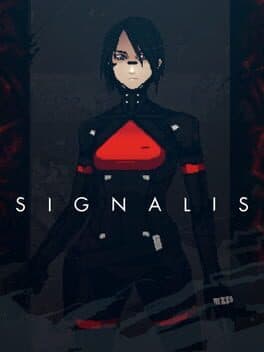
Signalis game cover art
Emotionally heavy

Signalis

Time
MODERATE
Focus
HIGH
Challenge
MODERATE
Intensity
HIGH
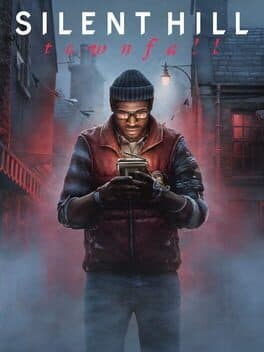
Silent Hill: Townfall game cover art
Emotionally heavyTense

Silent Hill: Townfall

Time
LOW
Focus
MODERATE
Challenge
MODERATE
Intensity
HIGH
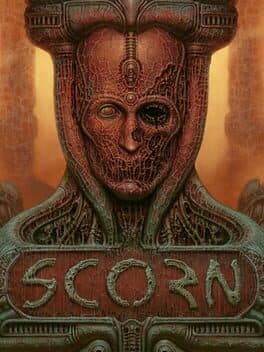
Scorn game cover art

Scorn

Time
LOW
Focus
MODERATE
Challenge
MODERATE
Intensity
MODERATE
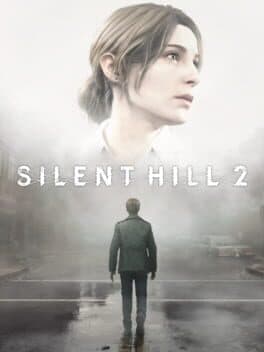
Silent Hill 2 game cover art
Emotionally heavyTense

Silent Hill 2

Time
MODERATE
Focus
MODERATE
Challenge
LOW
Intensity
HIGH
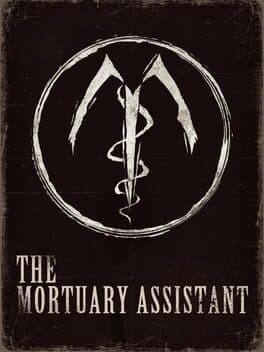
The Mortuary Assistant game cover art
Tense

The Mortuary Assistant

Time
LOW
Focus
MODERATE
Challenge
MODERATE
Intensity
HIGH
The Sinking City 2 game cover art
Emotionally heavyTense

The Sinking City 2

Time
MODERATE
Focus
HIGH
Challenge
MODERATE
Intensity
HIGH
← Back to Home