The Game Bakers • 2026 • Xbox Series X|S, PC (Microsoft Windows), PlayStation 5
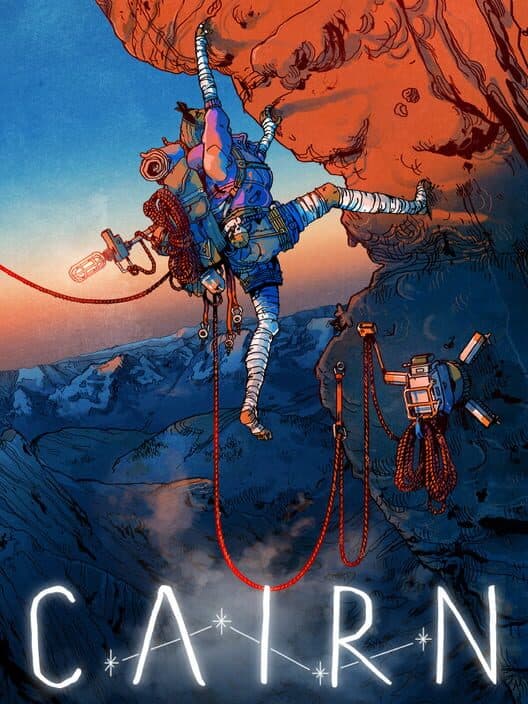
Yes—Cairn is worth it if you want something tense, tactile, and genuinely different from the usual action adventure. Its limb-by-limb climbing feels weird at first, then clicks into one of those rare systems that makes every safe ledge feel earned. The big hook is not spectacle. It is the mix of calm planning, stomach-drop slips, and real pride when a route finally works. Buy at full price if that pitch excites you and you enjoy learning unusual controls. You are paying for a focused 10 to 15 hour climb with strong atmosphere and a memorable emotional payoff, not an endless content machine. Wait for a sale if you are curious but unsure about sparse save points, survival meters, or early camera frustration. Skip it if you want relaxed background play, constant rewards, or frequent save-anywhere freedom. Cairn asks for patience, steady attention, and tolerance for setbacks. In return, it delivers one of the most distinctive mountain journeys in recent years.

The Game Bakers • 2026 • Xbox Series X|S, PC (Microsoft Windows), PlayStation 5
Yes—Cairn is worth it if you want something tense, tactile, and genuinely different from the usual action adventure. Its limb-by-limb climbing feels weird at first, then clicks into one of those rare systems that makes every safe ledge feel earned. The big hook is not spectacle. It is the mix of calm planning, stomach-drop slips, and real pride when a route finally works. Buy at full price if that pitch excites you and you enjoy learning unusual controls. You are paying for a focused 10 to 15 hour climb with strong atmosphere and a memorable emotional payoff, not an endless content machine. Wait for a sale if you are curious but unsure about sparse save points, survival meters, or early camera frustration. Skip it if you want relaxed background play, constant rewards, or frequent save-anywhere freedom. Cairn asks for patience, steady attention, and tolerance for setbacks. In return, it delivers one of the most distinctive mountain journeys in recent years.
Players keep praising the limb-by-limb climbing because it creates real tension and relief. Early awkwardness gives way to a strong, earned sense of control.
A common early complaint is that camera behavior and limb selection can make mistakes feel clumsy. Several players say the game improves once the controls click.
Food, water, cold, and hand care complete the climbing fantasy for some players. Others prefer to trim or disable them so the ascent feels cleaner and less busy.
Many players expected pretty views and got more than that. The mountain, soundscape, and reflective story beats build toward a payoff that lingers after the credits.
Losing progress between shrines adds weight to every push, but it can also turn a bad fall into real frustration, especially during longer stretches without a safe stop.
Players keep praising the limb-by-limb climbing because it creates real tension and relief. Early awkwardness gives way to a strong, earned sense of control.
Many players expected pretty views and got more than that. The mountain, soundscape, and reflective story beats build toward a payoff that lingers after the credits.
A common early complaint is that camera behavior and limb selection can make mistakes feel clumsy. Several players say the game improves once the controls click.
Losing progress between shrines adds weight to every push, but it can also turn a bad fall into real frustration, especially during longer stretches without a safe stop.
Food, water, cold, and hand care complete the climbing fantasy for some players. Others prefer to trim or disable them so the ascent feels cleaner and less busy.
The main climb fits into a solid two-week project, but it works best when you can play regularly and stop at safe rest points.
Cairn is a focused project, not a forever game. A first summit and credits usually land around 10 to 15 hours, which is very manageable over a couple of weeks. The catch is that it likes regular momentum. Because saves are tied to shrines, caves, or bivouacs, sessions feel best when you can push from one safe stop to the next. You can pause freely for short interruptions, but a clean stopping point is not always right where you want it. That creates a real "just one more ledge" pull. It is easy to fit into life socially because everything is solo and offline, with no party scheduling or daily chores. The larger time cost is mental: if you leave for a week, you may need a few minutes to remember the controls, your supplies, and the route you were trying to solve. The overall ask is fair if you want one memorable climb rather than an endless hobby. Cairn rewards steady, medium-length sessions and pays that time back with a satisfying sense of progress toward a clear finish line.
Cairn wants your full attention almost the whole time, trading constant route reading and body control for a rare sense of truly climbing a dangerous mountain.
Cairn asks for close, steady attention and rewards it with a rare physical sense of place. You cannot really half-watch a show or scroll your phone while climbing. Most of the game is spent reading the wall, checking body position, tracking stamina, and deciding whether the next move is smart or greedy. The pace is slow, but slow does not mean easy. It is a stream of small choices, and each one matters because a bad reach can cost supplies, time, or a painful fall. The thinking is mostly spatial and practical rather than twitchy. You are judging angles, surfaces, rest points, and safe routes more than reacting to sudden attacks. Quick corrections do matter sometimes, especially during slips, but the core pleasure comes from careful planning and staying present. In return for that attention, Cairn delivers something few games manage: the feeling that you are not just moving through a mountain, but actually learning how to read and climb it.
The hard part is learning its body language and control rhythm, not superhuman speed, and that early awkwardness is the price of later mastery.
Cairn asks you to learn a strange physical language before it starts feeling graceful. Early on, the hardest part is not raw danger. It is making peace with the controls, camera, and limb-by-limb movement until your brain stops fighting them. That first hump is the biggest barrier for many players. Once you get over it, the game becomes less about basic understanding and more about judgment: reading rock quality, protecting your route, and knowing when to rest, detour, or spend gear. The good news is that the game gives you room to shape that learning process. Easier modes, rewind, and survival tweaks can smooth out the rough edges without removing the core climbing idea. That means it supports both stubborn mastery and gentler onboarding. Still, mistakes matter. Sparse saves and meaningful falls keep the learning process honest, so improvement feels earned rather than automatic. Cairn gives back a strong sense of competence, but it absolutely makes you work for that feeling, especially in the opening hours.
It is tense more than frantic, with long stretches of careful nerve where one slip can turn calm concentration into real panic.
Cairn feels tense almost all the time, but not in a noisy or frantic way. It asks you to live with exposure, limited supplies, and the knowledge that a mistake can undo real progress. Long stretches are quiet and beautiful, yet that calm always has a nervous edge because the mountain never fully stops being dangerous. When you slip, miss a hold, or realize you are farther from the next shrine than you thought, the game can produce a real stomach-drop moment. The challenge lands as pressure more than punishment theater. You are not being showered with enemies or jump scares. Instead, the game builds a steady pulse of risk, then cashes it out in relief and pride when you finally secure a safe ledge or save point. That makes Cairn very rewarding for players who enjoy good stress, the kind that sharpens your attention and makes success feel personal. If you want something soothing after work, though, this can feel draining unless you use the generous assist options to lower the background pressure.
Games with a similar rhythm and feel, even if they look different