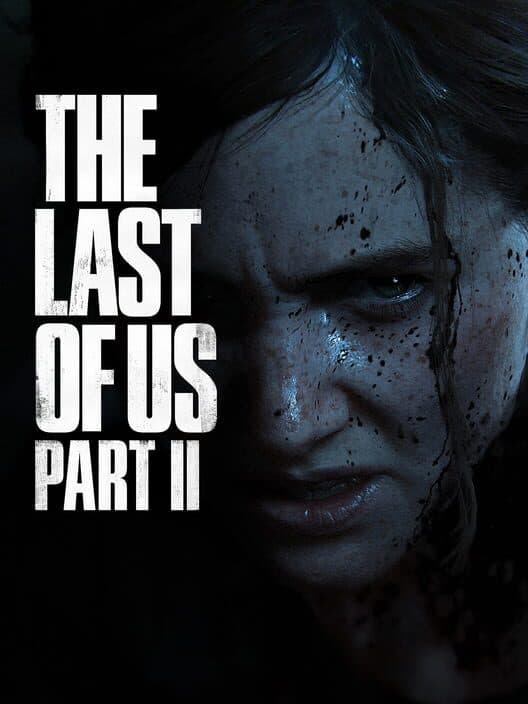
The Last of Us Part II

Sony Interactive Entertainment2020PlayStation 4, PlayStation 5

Brutally emotional cinematic story adventure

Stealth-focused third-person survival combat

Roughly 20–30 hour campaign

Is The Last of Us Part II Worth It?

The Last of Us Part II is absolutely worth it if you crave a heavy, story‑driven experience and can handle emotional intensity. It’s a polished, self‑contained campaign you can realistically finish in a few weeks, with production values, performances, and writing that rival prestige TV. You’ll spend your time sneaking, scavenging, and surviving in tense encounters that reward smart play without demanding elite reflexes. What it asks from you is headspace and heartspace. The violence is graphic, the tone is bleak, and the story goes to some very dark places. It’s not background comfort gaming; it’s something you sit down to experience on purpose. In return, you get a memorable narrative, strong character work, and some of the most gripping moment‑to‑moment tension in modern games. Buy at full price if you love narrative adventures and don’t mind being emotionally wrung out. Wait for a sale if you’re mainly curious about the story but unsure about the intensity. If you prefer lighthearted escapism, open‑world checklists, or co‑op fun, this probably isn’t the right fit, no matter the price.

When is The Last of Us Part II at its best?

Best when you want a “prestige TV” night: headphones on, lights low, ninety minutes free, and you’re ready to sink into tense stealth sequences and heavy story beats.

Great for a focused weekend evening when you’re emotionally up for something dark and don’t mind leaving the game thinking about its characters long after you stop playing.

Ideal if you have a few consistent weeks free in your schedule and want one big, polished single‑player game to complete rather than juggling several lighter titles.

What is The Last of Us Part II like?

For a busy adult, this game is a focused, time‑bounded commitment rather than a lifestyle sink. Expect roughly 20–30 hours to finish the story, which translates to about two to six weeks if you’re playing 5–15 hours a week. There’s no endless endgame treadmill, and once the credits roll, you can comfortably consider yourself “done.” The structure works well for 60–90 minute sessions. Chapters, day breaks, and safe rooms give you natural moments to stop, and frequent autosaves plus manual saves mean unexpected interruptions usually cost at most a few minutes of progress. You can pause anywhere outside brief transitions. The main catch is narrative complexity. The game jumps around in time and perspective, with a large cast. If you disappear for several weeks mid‑campaign, you might need a little time to remember exactly where each character stands. Still, controls and objectives come back quickly. It’s a solo, couch‑friendly experience that respects your schedule as long as you can carve out focused, episode‑length chunks.

Tips

  • Aim for three to five sessions per week while you’re into it; the story flows better when big arcs stay fresh.
  • Use manual saves before and after big fights or long stealth sections so you can safely stop if real life suddenly interrupts.
  • Expect to wrap the story in two to six weeks at 5–15 hours weekly; planning around that window helps you actually finish.

This game asks for a solid, sustained level of attention whenever you’re actually playing. You’re tracking enemy chatter, distant infected noises, and line of sight while scanning rooms for supplies or hidden threats. Stealth encounters reward careful planning: deciding who to take out first, how to move through tall grass and cover, and when to risk breaking stealth for a quick, violent push. Gunfights and melee scrambles are short but intense, and you’ll want to stay mentally present to line up shots, dodge swings, and improvise with whatever you’ve got left. Between these spikes, there are slower stretches: walking conversations, environmental storytelling, and light puzzles like rope physics or safe combinations. These moments give your brain some breathing room but still invite you to notice details and absorb the story. It’s not a game to half‑watch while scrolling your phone, yet it’s also not a dense strategy title. Think of it as a show that asks you to sit down, plug in headphones, and really pay attention for an hour or so at a time.

Tips

  • Play with headphones and subtitles so you catch enemy barks, infected noises, and quiet conversations that matter for both safety and story.
  • When you feel mentally tired, stop after a major encounter or cutscene instead of pushing into a new patrol area that needs full attention.
  • Use Listen Mode often to track enemies and reduce camera spinning, letting you focus on smart positioning rather than constant visual scanning.

From a skills standpoint, this is quite approachable. If you’ve played any modern third‑person action game, you’ll get the basics—aim, shoot, crouch, crawl, throw items, and craft—within the opening hours. The game teaches its systems gently and offers strong aim assist and difficulty options if you want a more story‑first experience. Where mastery comes in is how you string everything together. Understanding how enemies patrol, how sound and line of sight work, and how different tools combine lets you turn messy scrambles into clean, satisfying takedowns. Learning dodge timing makes melee far less scary. Knowing which weapons to upgrade and which skills match your preferred style—sneaky, aggressive, or somewhere in between—pays off across the whole campaign. The nice part for busy adults is that you don’t need to chase perfection. You can complete and enjoy the game without mastering every nuance, yet if you stick with it, you’ll clearly feel yourself improving and see encounters play out more smoothly over time.

Tips

  • Stick with one or two favorite guns and upgrade stability and damage first; familiarity pays off more than spreading parts across everything.
  • Practice dodging and counterattacks on human enemies before tougher infected; mastering that timing dramatically reduces panic when fights go loud.
  • Don’t obsess over perfect builds; on a first playthrough, pick skills that match your style and trust most choices are perfectly viable.

This is a high‑intensity experience, more in mood than in raw mechanical difficulty. Combat and stealth sit under a constant layer of dread: you hear enemies talking about hunting you, infected shrieking from somewhere nearby, dogs tracking your scent. When things go wrong, encounters can turn into frantic brawls where you’re dodging lunges, firing desperate shots, and scrambling to heal. On top of that, the story is deliberately brutal. It leans into themes of grief, revenge, and cruelty, and it rarely lets up for long. Cutscenes can be emotionally wrenching, and even quiet exploration is colored by what you’ve just seen and done. Many players report needing to take longer breaks not because it’s too hard to beat, but because it’s a lot to feel. Difficulty sliders and accessibility options help you dial down the mechanical stress, but they don’t soften the subject matter. This is not a light, relaxing wind‑down game; it’s more like watching an intense drama or horror film you need to be in the right headspace for.

Tips

  • Treat it like intense TV: limit yourself to one or two big story beats per night so the bleak tone doesn’t overwhelm you.
  • If combat stress feels too sharp, lower difficulty and increase resource abundance so fights stay thrilling without constant panic about ammo or health.
  • Avoid playing during especially rough weeks; its themes of loss, trauma, and cruelty can easily amplify an already heavy or anxious mood.

Frequently Asked Questions