Silent Hill f

Konami2025Xbox Series X|S, PC (Microsoft Windows), PlayStation 5
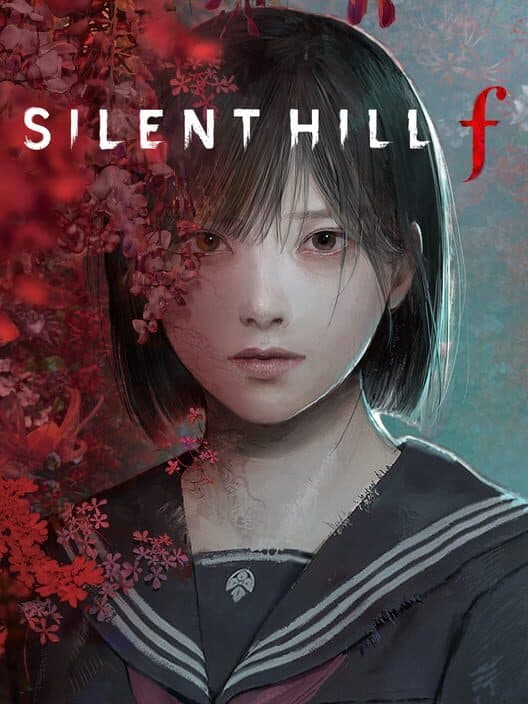
Story-driven psychological horror in Japan

Slow-burn dread, very heavy themes

10–15 hour single-playthrough campaign

Is Silent Hill f Worth It?

Silent Hill f is worth it if you want a story-first horror game with incredible atmosphere and can handle very dark subject matter. The main draw is not flashy combat but the unsettling 1960s Japanese setting, Hinako’s tragic journey, and the way social issues like bullying and gender expectations are woven into the horror. In return for about 10–15 hours of focused play, you get a complete, emotionally charged narrative that lingers. Full-price makes sense if you love psychological horror, enjoy reading notes and solving creepy puzzles, and appreciate strong art direction and music. You will get a tight, memorable campaign that fits neatly into a couple of weeks of evening sessions. If you are mainly in it for deep, expressive melee or open exploration, you may find the corridors and clunky combat underwhelming and should consider waiting for a sale. Anyone sensitive to depictions of abuse, self-harm, or graphic body horror is better off skipping it entirely, because those elements are central rather than optional.

When is Silent Hill f at its best?

When you have a quiet evening with 60–90 minutes free and want an intense, self-contained horror chapter instead of a sprawling open-world grind.

When you feel emotionally steady and in the mood for a dark, thoughtful story that tackles bullying and family trauma rather than light escapism.

When you are a horror fan who values atmosphere, symbolism, and lore more than razor-sharp combat systems and you are happy to play solo in a dark room.

What is Silent Hill f like?

Silent Hill f is surprisingly manageable for a busy schedule if you treat it as a one-and-done story. Most players will finish in 10–14 hours, which breaks down nicely into 60–90 minute sessions across a couple of weeks. The campaign is divided into chapters, and shrines within those chapters give you sensible stopping points where you can save, regroup, and come back later without forgetting what is going on. The catch is that you cannot save absolutely anywhere, and some later segments stretch the time between shrines, so you may occasionally replay 10–20 minutes if you stop mid-area. Returning after a week or two is helped by clear objective text and Hinako’s journal, though you will still need a short warm-up period to remember systems and controls. Everything is strictly single-player, so there is no scheduling with friends to worry about. Extra endings and New Game Plus runs can extend the experience well beyond 20 hours, but those are optional rather than required to feel satisfied.

Tips

  • Aim to end sessions at shrines or chapter breaks; stopping there makes it far easier to re-enter the story next time.
  • Expect most chapters to take about an hour; plan sessions when you can comfortably play that long without rushing.
  • If you take a long break, spend your first five minutes rereading the journal and checking your charms so you feel grounded before tackling a big fight or puzzle.

Silent Hill f wants a decent slice of your mental bandwidth whenever you are actually moving through danger. You will be scanning the fog for threats, reading environmental details, and juggling things like stamina, sanity, and charm effects. Puzzles often require holding poems, symbols, or folklore hints in your head and trying combinations, which pulls you into a slower, more thoughtful mode. Combat, while not ultra fast, still relies on watching enemy tells and timing dodges or Focus counters, so you cannot rely on pure autopilot. That said, the game also gives you quieter stretches: walking sequences, cutscenes, or safe shrines where you can exhale and just absorb the story. For a busy adult, it feels demanding but not draining if you show up with reasonable focus. It is much closer to reading an intense novel with occasional action spikes than to a mindless background game you can play while multitasking.

Tips

  • Try to play when you can give it solid attention, especially for puzzle-heavy sections where reading and remembering small details really matters.
  • Use shrines as mental reset points: upgrade, skim the journal for clues, and remind yourself of current objectives before pushing deeper into danger.
  • If you are tired, lean into exploration and story first; save tougher puzzles or big combat corridors for a fresher session.

Learning Silent Hill f is less about memorizing long combos and more about understanding its rhythm. Early on you are figuring out how far you can push your stamina, when to dodge versus run, and how Focus attacks work. Puzzles gradually introduce the style of clues the game likes to use, so after a few examples you start spotting patterns faster. Most players will feel shaky in the first couple of hours, fairly comfortable by the midgame, and genuinely confident by the time credits roll on their first run. Improving pays off in tangible ways. Better timing makes combat far less stressful, smart charm setups smooth rough encounters, and puzzle familiarity shortens future replays if you choose to chase extra endings. At the same time, the systems are not deep enough to demand months of practice or reward obsessive min-maxing. For a time-constrained adult, it strikes a nice balance: there is room to get better and feel proud of that, without needing to treat it like a long-term hobby.

Tips

  • Spend a little time early experimenting with dodges and Focus in low-risk fights to learn enemy tells before the game expects perfection.
  • When you unlock new charms or stat upgrades, try small changes rather than total overhauls so you can clearly feel what actually helps your playstyle.
  • If a puzzle type stumps you repeatedly, consider jotting down symbols or lines in a notebook; that tiny effort speeds up problem-solving across the whole game.

The intensity in Silent Hill f comes more from its mood and themes than from nonstop action. The game lingers on bullying, family abuse, and graphic body horror, and it is not shy about making you sit with upsetting images or situations. Even on lower action difficulty, that emotional weight can be draining. Mechanically, fights are tense because a few hits can end you, but the pacing is slow and deliberate rather than frantic, so the pressure is more about dread than reflex strain. For many adults, that means this is not the best choice when you are already anxious or just want to unwind. It is closer to watching a very dark horror film that occasionally asks you to perform under pressure. Difficulty options let you turn the mechanical stress down if you mainly want the story, but nothing removes the emotional bite. Expect a raised heart rate, held breath in certain scenes, and the occasional need to step away after a rough chapter.

Tips

  • If you mostly care about the story, pick Story or Casual action difficulty so tension stays high but repeated deaths do not grind you down.
  • Plan to take short breaks after especially disturbing scenes or long Otherworld segments; a breather helps the horror feel thrilling instead of overwhelming.
  • Avoid marathon sessions on rough days; play a single chapter when you feel emotionally steady rather than using this as comfort media.

Frequently Asked Questions