Sony Interactive Entertainment • 2022 • PC (Microsoft Windows), PlayStation 5
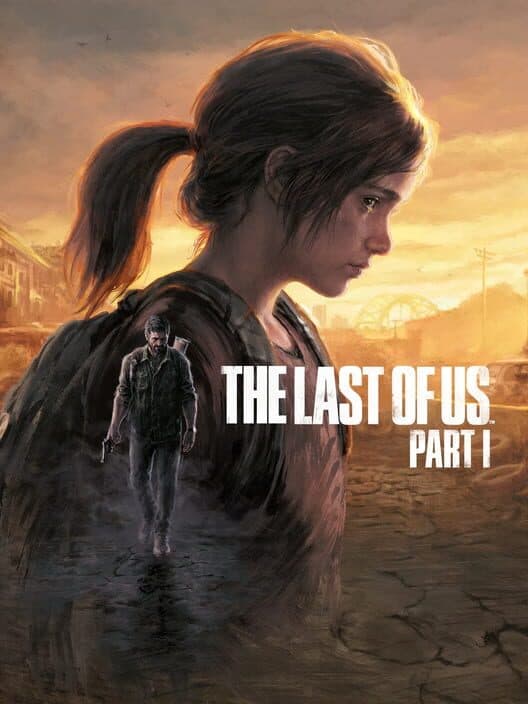
Cinematic stealth-action in ruined America
Emotionally heavy, violent, mature-only journey
Roughly 15–20 hour single playthrough
The Last of Us Part I is worth it if you value strong storytelling and can handle dark, emotionally intense material. It delivers a polished, cinematic journey with excellent acting, top‑tier presentation, and a focused 12–20 hour campaign that fits neatly into a few weeks of evening play. What it asks from you is mainly emotional: graphic violence, bleak themes, and stressful stealth sections. Mechanically it’s manageable on normal difficulty, and generous accessibility options let you soften the combat without losing the narrative. You’re also committing to a linear path with limited exploration or build variety, so don’t expect sandbox freedom or endless side activities. In return, you get some of the most memorable character work in games, tense encounters that feel meaningful, and a world that lingers in your mind after the credits. Buy at full price if narrative impact and audiovisual quality matter a lot to you. Consider waiting for a sale if you’re mostly into systems depth or replayable sandboxes, and probably skip it if you avoid heavy themes or graphic content altogether.

Sony Interactive Entertainment • 2022 • PC (Microsoft Windows), PlayStation 5
Cinematic stealth-action in ruined America
Emotionally heavy, violent, mature-only journey
Roughly 15–20 hour single playthrough
The Last of Us Part I is worth it if you value strong storytelling and can handle dark, emotionally intense material. It delivers a polished, cinematic journey with excellent acting, top‑tier presentation, and a focused 12–20 hour campaign that fits neatly into a few weeks of evening play. What it asks from you is mainly emotional: graphic violence, bleak themes, and stressful stealth sections. Mechanically it’s manageable on normal difficulty, and generous accessibility options let you soften the combat without losing the narrative. You’re also committing to a linear path with limited exploration or build variety, so don’t expect sandbox freedom or endless side activities. In return, you get some of the most memorable character work in games, tense encounters that feel meaningful, and a world that lingers in your mind after the credits. Buy at full price if narrative impact and audiovisual quality matter a lot to you. Consider waiting for a sale if you’re mostly into systems depth or replayable sandboxes, and probably skip it if you avoid heavy themes or graphic content altogether.
When you’ve got a quiet evening, 75–90 minutes free, and the emotional bandwidth for a dark, prestige‑TV‑style story that you actively want to sink into.
When you’re in the mood for tense but structured gameplay, happy to focus on sneaking and listening for enemies rather than half‑watching something in the background.
When you want a game you can actually finish in a few weeks, then put down feeling fully satisfied instead of tied to an ongoing grind.
A focused 12–20 hour story you can finish in a couple of weeks of 60–90 minute solo sessions.
The Last of Us Part I respects a busy schedule better than many big-budget games. The main story is finite and fairly short by modern standards, so you’re not signing up for months of grinding. Most people playing a few evenings a week will comfortably see credits within two or three weeks, then feel genuinely done. Sessions fit well into 60–90 minute blocks. Chapters and big encounters create natural pauses, and frequent autosaves plus manual saving mean you can stop almost anywhere without dreading lost progress. There’s no online component or daily timers pressuring you to log in. Coming back after a break is manageable: the story is linear, objectives are clear, and controls are straightforward, though you may want a few warm‑up minutes to remember stealth habits and crafting. It’s purely solo, so you never have to coordinate with friends or clans. In exchange for that time and emotional investment, you get a complete, polished narrative experience rather than an endless live‑service treadmill.
You’ll want your attention on the screen, listening and planning, but it’s still manageable after work if you’re not totally exhausted.
Playing The Last of Us Part I asks for a solid amount of attention, especially during stealth and combat. You’re listening for enemy noises, watching patrol routes, scanning for crafting parts, and constantly weighing whether to risk a fight or slip past unseen. When a plan falls apart, you need to quickly re‑orient, aim, and move before enemies close in. The game balances this with quieter stretches. Walking sections with Ellie, light traversal puzzles, and looting empty houses let your brain breathe while still staying engaged with dialog and scenery. You don’t have to be razor‑sharp every second, but this isn’t something to half‑watch while doom‑scrolling. For a tired adult, the key is timing: it’s great when you have enough mental fuel to enjoy reading spaces and listening for cues, not when you’re completely drained. In return, the game delivers a gripping, absorbing flow where a 60–90 minute session can fly by because you’re so locked into the moment.
Easy to pick up, with some payoff for getting good at stealth and aim, but not a long‑term mastery hobby.
Mechanically, The Last of Us Part I is very approachable if you’ve touched third‑person shooters before. Moving, aiming, crouching, and crafting all feel familiar, and the game quietly tutors you on how clickers work, what Listen Mode reveals, and how enemies respond to noise. Within a few evenings you’ll understand the basics well enough to get through most situations on normal difficulty. Where skill starts to matter is in how cleanly you handle arenas. Learning where enemies tend to patrol, getting comfortable with headshots, and conserving resources all make the game smoother and more satisfying, especially later on. If you enjoy that process, higher difficulties and challenge modes are waiting after the credits. For the typical busy adult, though, this isn’t something you’ll spend months mastering. The main payoff is feeling yourself get more confident and efficient over the course of a single playthrough, not chasing endless optimization like a fighting game or competitive shooter.
Emotionally heavy and often tense, with moderate mechanical difficulty but frequent spikes of fear, shock, and moral discomfort.
This game hits hard on feelings more than raw mechanical punishment. The violence is up close and personal, the infected are grotesque, and certain story scenes—especially involving children or loss—can be genuinely rough. That emotional weight sits on top of a steady hum of tension from sneaking through dark, echoing spaces where a single mistake can get you grabbed. Mechanically, it lands in the middle of the road. You’ll die, sometimes a lot, but checkpoints are kind and the game clearly signals why you failed. You can also dial the difficulty and accessibility options way down if you want less pressure in fights while keeping the same story. The result is a high‑stress emotional experience more than a “hardcore challenge” one. It’s best when you’re in the mood for an intense, prestige‑TV‑style drama and can stomach some adrenaline spikes, not when you’re looking for something cozy to unwind with before bed.
Games with a similar rhythm and feel, even if they look different