hello@slated.gg
Powered by IGDB•Privacy•Terms

© 2026 Slated.gg

Slated.gg
Popular GamesAboutDiscover Games
The Guild 1 Remake: Europa 1410

THQ Nordic • 2026 • PC (Microsoft Windows)
Strategic thinkingRewarding skill growthMentally absorbing
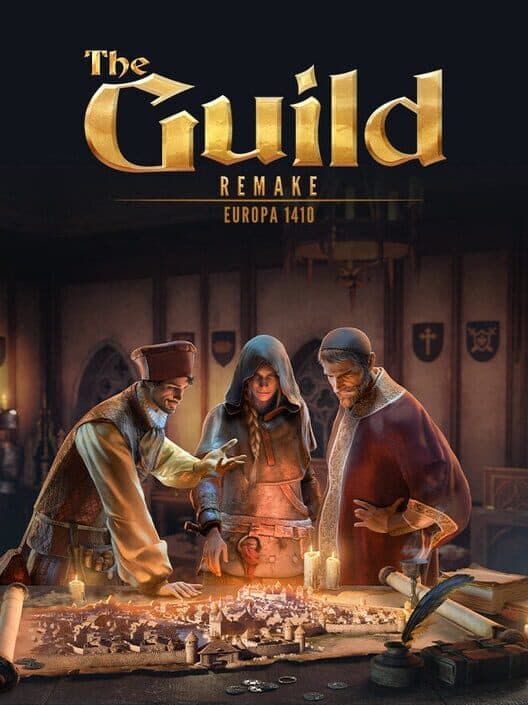
The Guild 1 Remake: Europa 1410 cover art

The Guild 1 Remake: Europa 1410

THQ Nordic • 2026 • PC (Microsoft Windows)

Strategic thinkingRewarding skill growthMentally absorbing

Is The Guild 1 Remake: Europa 1410 Worth It?

Yes, for a specific kind of player, The Guild 1 Remake: Europa 1410 is already worth it. If you love slow-burn sandboxes where money, status, and family power all feed into each other, it has a strong core loop right now. The best part is watching a tiny workshop become a dynasty engine, then using that success to win titles, shape local politics, and secure your heir. What it asks from you is patience. The interface is clunky, the onboarding is rough, and scaling up can turn into a lot of clicking. Right now this feels more like buying into a promising systems game than a polished finished package. Buy at full price if you already enjoy economic sims, do not mind Early Access roughness, and want something more personal than a pure city builder. Wait for a sale or more patches if you like the concept but need cleaner menus and better automation. Skip it if you want direct character control, a strong scripted story, or smooth pick-up-and-play comfort.

What is The Guild 1 Remake: Europa 1410 like?

Opinions of The Guild 1 Remake: Europa 1410

What Players Love

  • Players Love

    Business, politics, and family systems feed each other well

    Players love how shop profits turn into titles, marriages, heirs, and local influence. The systems feel connected, so growth has a satisfying sense of momentum.

Common Concerns

  • Common Concern

    Cluttered menus and weak onboarding block the opening hours

    Many players say the interface feels cluttered and the tutorial leans hard on text while still missing key basics, especially around control flow and worker handling.

  • Common Concern

    Scaling up becomes click-heavy without stronger automation tools

    Once your business network expands, cart routing, repairs, and upkeep often need too much manual attention. Later sessions can feel more like admin than strategy.

  • Common Concern

    Early Access bugs and balance issues still show

    Crashes, balance swings, and performance hiccups still show up in player reports. Even supportive reviews often frame the current version as promising but unfinished.

Divisive Aspects

  • Divisive

    Indirect control feels authentic to some, distant to others

    Some players are happy the remake sticks to the original strategy-first style. Others wanted direct character control and find the hands-off structure less appealing.

What does The Guild 1 Remake: Europa 1410 demand from you?

Time

MODERATE

Time

Saving is easy, but returning takes context; sessions fit an evening, yet a growing dynasty asks you to remember a lot.

MODERATE

The total time ask is moderate to high, but the schedule ask is pretty flexible. A satisfying run is one dynasty arc, not a hundred-hour life commitment, and manual saves make it easy to stop at the end of a business cycle. There are no social obligations, no live teammates, and no pressure to keep pace with a community. That is what it gives back right away: you can own the tempo. The catch is that the game does not create tidy stopping points for you. Because it is a self-directed sandbox, sessions often stretch into one-more-fix territory as you adjust staffing, chase an office, or stabilize a supply chain. It also asks for memory. Coming back after a week means rebuilding your picture of what every workshop, cart, and family plan was doing. So the game works best in regular evening sessions of about an hour or two, with a quick save and clear next step before quitting. If you can give it steady attention across a few weeks, it fits well. If you need instant re-entry after long breaks, it will fight you.

Tips
  • End each session after a quick review and fresh save, so you come back knowing your next step.
  • Name saves by milestone, like 'bakery stable' or 'before election,' to reduce confusion after a week away.
  • Plan for 60 to 120 minutes; shorter sessions work, but the game feels better once you finish one business cycle.

Focus

HIGH

Focus

Most of the night goes into reading menus, tracking moving parts, and making money choices; reflexes barely matter, but zoning out will cost you.

HIGH

This game asks for active attention almost the whole time you're playing. A typical session is not about quick reactions. It is about reading menus, watching supply lines, checking worker output, comparing prices, and deciding where profits should go next. Because the game uses indirect control, a lot of your brainpower goes into translating what the interface is telling you into a clear plan. That is the price of entry. In return, it gives you the very specific pleasure of untangling a messy town economy and making long-term calls that actually change your family's place in it. You can pause and think, which helps a lot, but this still is not great background play for TV nights or constant multitasking. The later your dynasty gets, the more small moving parts compete for your attention, especially carts, repairs, and business upkeep. If you enjoy management games that reward checking details and spotting weak links, the focus feels satisfying. If you want something you can play half-distracted, the interface and system sprawl will wear you down quickly.

Tips
  • Pause before every expansion push and review carts, raw materials, and staffing together instead of fixing each problem one at a time.
  • Keep one main goal per session, like stabilizing a workshop or chasing one office, so the interface clutter feels manageable.
  • Zoom out often and check district conditions before blaming a building for weak profits.

Challenge

HIGH

Challenge

The early hours are the real hurdle: the rules run deep, and the tutorial explains plenty without always making the systems click.

HIGH

This is harder to learn than it is to survive. The game asks you to push through a rough opening where menus are dense, the tutorial is wordy, and the indirect-control setup can feel unintuitive if you are expecting to guide a character around town. For the first several hours, the main challenge is simply understanding how production, staffing, transport, titles, and family systems connect. Once that foundation clicks, the game starts paying you back with strong little aha moments. Suddenly a weak business makes sense, a supply problem becomes fixable, and politics feels like an extension of your economy instead of a separate mode. Mistakes usually cost momentum more than they end a campaign, which makes experimentation possible. Saves help too. The bigger issue is that the game sometimes teaches you badly rather than asking something fair. That means patience matters almost as much as skill. If you enjoy learning layered systems and do not mind trial and error, the climb feels rewarding. If you want clean onboarding and instant readability, the early hours may feel rougher than the actual rules deserve.

Tips
  • Treat your first city as a learning run and stick to one profession until you understand production, staff, and selling.
  • Do not chase every system at once; money first, family second, politics third is a much cleaner way in.
  • Use guides or tooltips when needed; the game often expects more experimentation than it should.

Intensity

LOW

Intensity

This is a slow simmer, not a white-knuckle ride; pressure comes from bad business calls, aging, and political setbacks instead of fast combat.

LOW

The emotional temperature stays in the low-to-middle range. Most nights will not leave you sweating or leaning forward in panic. Instead, the pressure comes from slower worries: a business chain running at a loss, a rival getting ahead, your character aging, or a political plan failing after you have invested time and money into it. That is the kind of stress the game asks from you. In return, it delivers steady stakes without turning every mistake into a disaster. When the game feels stressful, it is usually because several small problems pile up at once or because the interface makes simple tasks feel longer than they should. That is very different from action-game pressure, and for many players it is easier to live with. The upside is that wins feel earned. Pulling a workshop back into profit or turning money into civic power has a quiet, satisfying payoff. This plays best when you want slow-burn strategy pressure, not when you are craving something breezy or emotionally weightless.

Tips
  • Make manual saves before elections, big purchases, or criminal moves so one bad turn does not sour the whole evening.
  • Keep a cash buffer for repairs and supply gaps; money stress spikes hardest when every problem lands at once.
  • Play when you want steady problem-solving, not when you're already tired and looking for something totally friction-free.

Frequently Asked Questions

The Guild 1 Remake: Europa 1410 is moderately hard to learn, but only moderately hard once it clicks. The real barrier is not fast reflexes or brutal punishment. It is the interface, the text-heavy tutorial, and understanding how workers, carts, prices, titles, and family systems connect. Expect the first few hours to feel more like wrestling with the game than reading a clean rulebook. Once you grasp the loop, the challenge settles into planning and maintenance. In that sense, it is closer to Crusader Kings III or a rougher management sim than to Elden Ring or XCOM 2. Mistakes usually cost money and momentum instead of ending everything, and the save system gives you room to recover. Most players will need about 10 to 20 hours to feel basically competent, not 2 or 3. If you enjoy learning layered systems, that climb is part of the appeal. If you want instant clarity or a slick tutorial, it may feel harder than its actual ruleset really is.

A satisfying run is roughly 25 to 40 hours for most people, while seeing several cities, professions, and longer dynasty play can push past 60 hours. This is not a story game with a neat credits-roll ending. The natural stopping point is when you have built a stable business, turned that money into rank or office, and carried the family into the next generation. Sessions usually work best in 60 to 120 minute blocks because you need enough time to check profits, fix supply issues, make a few political moves, and save in a clean spot. The good news is that manual saves and autosaves make it easy to stop when real life calls. The less good news is that coming back after a week takes some re-reading of your city state. If you only want a taste, 10 hours is enough to understand the loop. If you want the full dynasty arc, plan on a few weeks of regular evenings.

This is more mentally busy than emotionally stressful, and yes, you can play it casually with caveats. You probably will not get the heart-pounding pressure of horror games, shooters, or hard action combat. Most of the strain comes from checking too many moving parts, realizing a business chain is losing money, or dealing with a clunky interface. So it is casual-friendly in the sense that it is single-player, easy to save, and usually safe to pause through menus. It is not casual-friendly in the sense of being effortless. It asks for focus, patience, and a decent memory for what your city was doing last time. The best way to enjoy it is in a calm evening slot when you want slow problem-solving, not background entertainment while half-watching something else. If tuning an economy and nudging a family toward power sounds relaxing, the pressure feels good. If menu friction and micromanagement drain you fast, the stress comes more from usability than from the simulation itself.

Yes. The current version is fully built around solo play, and that is actually its natural fit. You run your businesses, family, and political ambitions against the simulation, not against live human opponents. That means no group scheduling, no raid nights, no ranked ladder, and no pressure to keep up with friends. For someone with an unpredictable week, that is a real advantage. You can load a save, handle one business cycle, make a few money or status decisions, and quit without affecting anyone else. The only caveat is that solo does not mean light. Because the systems are layered and the interface is rough, you still need some patience and attention. It plays more like sitting down with a complex board game by yourself than joining a social hangout. If multiplayer arrives later in Early Access, that may change future versions, but in the base game available now, playing alone is not a compromise. It is the intended experience.

No. The Guild 1 Remake: Europa 1410 is a straight one-time purchase in Early Access, and the material reviewed here shows no in-game cash shop, power boosts, or paid shortcuts that affect progress. Everyone is working with the same business, politics, and dynasty systems in the current single-player build. That matters because this kind of game lives or dies on whether success comes from reading the economy, managing your family well, and making smart long-term calls. Right now, it does. If you fail, it is because the interface confused you, you expanded badly, or the systems got the better of you, not because another payment tier gave someone an advantage. The one pricing wrinkle is that the developers have said the game is discounted during Early Access and may cost more at final release. That is a normal Early Access pricing plan, not a pay-to-win system. You are paying for earlier access, not paying for stronger tools inside the game.

You Might Also Like

Games with a similar rhythm and feel, even if they look different
Explore more→
Manor Lords game cover art

Manor Lords

Time
MODERATE
Focus
MODERATE
Challenge
MODERATE
Intensity
LOW
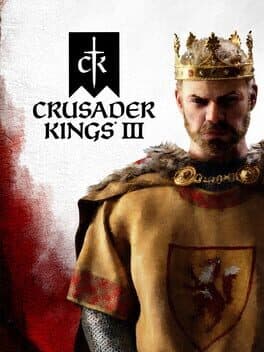
Crusader Kings III game cover art
Strategic thinkingRewarding skill growth

Crusader Kings III

Time
HIGH
Focus
HIGH
Challenge
HIGH
Intensity
LOW
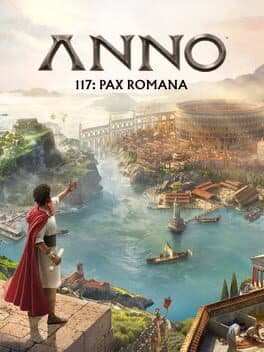
Anno 117: Pax Romana game cover art
Strategic thinkingMentally absorbing

Anno 117: Pax Romana

Time
MODERATE
Focus
MODERATE
Challenge
MODERATE
Intensity
LOW
Sid Meier's Civilization VII game cover art
Strategic thinkingMentally absorbing

Sid Meier's Civilization VII

Time
MODERATE
Focus
MODERATE
Challenge
HIGH
Intensity
LOW
SnowRunner game cover art

SnowRunner

Time
MODERATE
Focus
MODERATE
Challenge
MODERATE
Intensity
LOW
Terra Invicta game cover art
Strategic thinkingRewarding skill growth

Terra Invicta

Time
VERY HIGH
Focus
HIGH
Challenge
VERY HIGH
Intensity
MODERATE
← Back to Home