Crusader Kings III

Paradox Interactive2020Xbox Series X|S, Linux, PC (Microsoft Windows), PlayStation 5, Mac
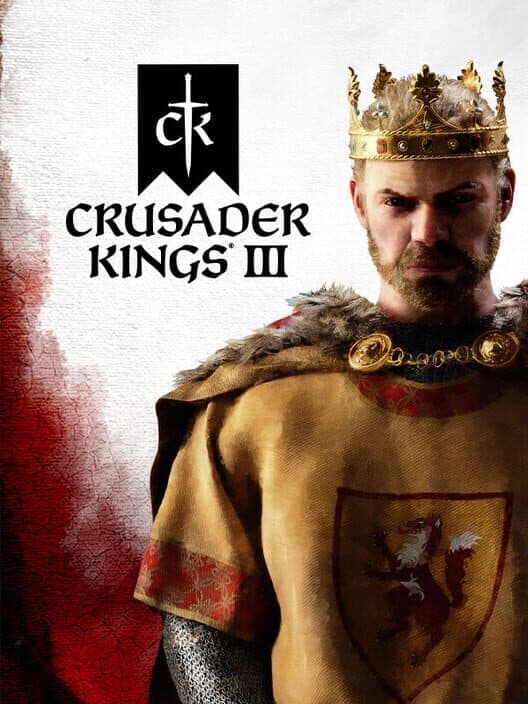
Deep medieval dynasty strategy sandbox

Huge map, limitless campaign variations

Best in long, thoughtful sessions

Is Crusader Kings III Worth It?

Crusader Kings III is worth it if you enjoy deep strategy and emergent stories more than flashy action. It asks for patience, curiosity, and a willingness to read tooltips, but pays you back with unforgettable dynastic sagas. You’ll spend sessions balancing vassals, plotting marriages, and nudging borders on a huge map instead of following a scripted questline. For busy adults, it works well in 60–90 minute chunks, and you can pause whenever life interrupts, though picking up an old save after weeks away can be rough. If you like games such as Civilization or Total War but wish they had more personality and long-term family drama, this is a great buy even at full price. If you mainly want straightforward, relaxed entertainment after a draining day, the mental load might feel like work, so consider waiting for a sale. Players who hate reading or open-ended sandboxes should probably skip it altogether.

When is Crusader Kings III at its best?

You’ve got about 90 minutes on a quiet evening, enough mental energy to think, and you want to sink into a complex, slow-burn strategy story instead of twitchy action.

You’re in the mood to ‘live’ a medieval drama for a couple of weeks, playing most nights and watching one dynasty rise, fracture, and hopefully triumph.

A weekend afternoon opens up unexpectedly, and you want a single-player game you can pause frequently and return to later without worrying about other people’s schedules.

What is Crusader Kings III like?

Crusader Kings III is built more like a long-running TV series than a movie. A single satisfying dynasty arc often runs 30–60 hours, and you could easily invest more if you chase new goals. The good news is that it works well in 60–90 minute chunks: you can pause anytime, save almost anywhere, and end a session after a war, a big law change, or a ruler’s death. It’s extremely friendly to sudden interruptions from kids, roommates, or work calls. The main catch is coming back after a long break; remembering your plots, alliances, and grudges can take a while, so it’s best played in steady streaks rather than once a month. Multiplayer is optional and demanding to schedule, so you’re not on anyone else’s timetable. As a busy adult, you’ll get the most from CK3 if you treat one campaign as your “current show,” dipping in a few nights a week until that saga feels complete.

Tips

  • End sessions at clear milestones like enforcing peace or a ruler’s death, and jot down your next goals in a note or pin list.
  • Plan to play a campaign in a focused few-week window; long gaps make it harder to remember your political situation.
  • Keep multiplayer for special occasions and enjoy most of your time in solo saves, which fit flexible schedules much better.

Playing Crusader Kings III feels like running a medieval spreadsheet full of emotions. You’ll constantly scan maps, tooltips, and character sheets, checking vassal opinions, inheritance lines, and neighboring threats. The pace is gentle and fully pausable, but the thinking load is high: each choice can have knock-on effects years or generations later. Even when nothing ‘exciting’ is happening visually, you’re planning marriages, plotting schemes, and deciding where to invest limited gold and time. This makes it a game that asks for clearheaded attention rather than quick reactions. It’s not ideal for half-watching a show or constantly glancing at your phone, but you can safely pause and think whenever you need. For a busy adult, it fits best when you have a solid hour where your brain isn’t fried from work and you’re in the mood to chew on messy political problems.

Tips

  • Play on slower speeds and pause frequently, especially during wars or big law changes, so decisions feel deliberate instead of rushed.
  • Pin key characters and rely on the issues list to track priorities, reducing how much you must remember at once.
  • Start as a small duke or count so you learn systems with fewer vassals and less information hitting you at once.

The learning curve in Crusader Kings III is real, but it’s more about absorbing concepts than executing tricky moves. Early on, you’ll likely fumble with succession, underuse hooks, and misjudge vassal anger. Tooltips and in-game guides help, yet truly understanding how religion, culture, contracts, and warfare interlock takes time. The payoff for sticking with it is big: once things click, you can design inheritance plans, orchestrate marriages across the continent, and defuse rebellions before they start. Your campaigns shift from scrambling after every crisis to deliberately shaping centuries of history. Because success comes from knowledge and planning, not reflexes, improvement feels accessible even if you’re not a ‘hardcore’ gamer—you just need patience. For a busy adult, this is a game that can grow with you over months, rewarding each new bit of understanding with smoother, more intentional runs.

Tips

  • Pick a recommended beginner start and ignore advanced systems like custom religions until you’re comfortable with basic succession and vassal management.
  • Let your first campaign be messy and educational instead of restarting after every mistake; you’ll learn faster from living with consequences.
  • Focus on mastering one system at a time, like succession laws or hooks, instead of trying to optimize everything from day one.

Crusader Kings III is rarely heart-pounding in the action sense, but it can be emotionally tense. The pressure comes from long-term stakes: a disastrous succession, a surprise invasion, or a murder plot discovered years after you set it in motion. Moments like those create a knot-in-your-stomach feeling, yet they unfold slowly enough that you usually have time to react. Because failure rarely ends a campaign outright, setbacks feel more like dramatic twists than personal attacks, which softens the sting. For most sessions, the emotional tone is closer to watching a political drama than playing a twitchy shooter. You’ll worry about whether your heir is competent, whether a vassal will revolt, or whether a risky alliance will pay off. It’s engaging and sometimes stressful, but not exhausting. This makes it a good fit when you want something immersive and serious without constant adrenaline, as long as you’re okay with the occasional gut punch when fate turns against your dynasty.

Tips

  • Lower game speed and pause before major declarations like wars or faith reforms to keep tense moments manageable.
  • Avoid starting as huge empires early; smaller realms mean fewer simultaneous crises and less emotional overload.
  • Treat disasters as story beats, not personal failure, which makes tense events feel entertaining rather than demoralizing.

Frequently Asked Questions