Hooded Horse • 2026 • PC (Microsoft Windows)
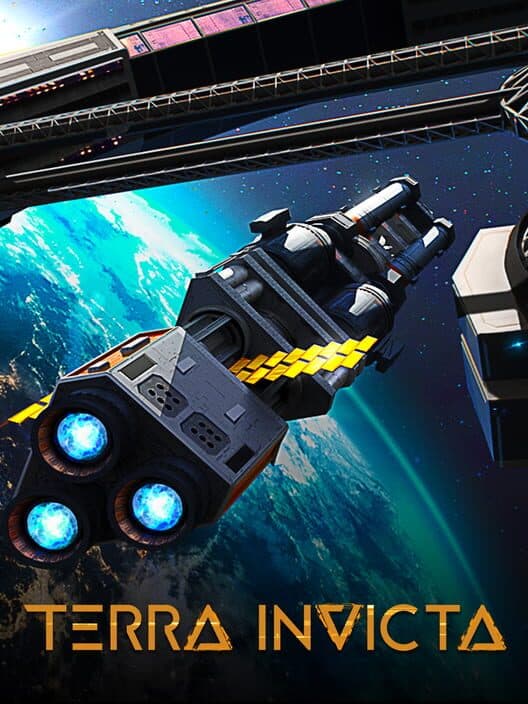
Terra Invicta
Hooded Horse • 2026 • PC (Microsoft Windows)
Is Terra Invicta Worth It?
Terra Invicta is worth it if you love big, brainy strategy games and do not mind learning through friction. Its special trick is the full arc from influencing Earth politics to building mines, stations, and finally fleets that can challenge the aliens. Very few games make that escalation feel this believable. The catch is that it asks a lot from you. The interface still hides important information, the tutorials only get you part of the way, and one campaign can stretch well past 80 hours. This is best bought at full price if you already enjoy dense planning games and like solving messy systems. Wait for a sale if the premise excites you but you know UI friction and late-game micromanagement wear you down. Skip it if you want quick clarity, short campaigns, or a smooth onboard. When it clicks, it is absorbing and genuinely original. When it does not, it can feel like homework with spaceships.
What is Terra Invicta like?
Opinions of Terra Invicta
What Players Love
- Players Love
Its ambition and long-range planning feel almost unmatched
Players keep pointing to the sheer scale: you start by steering nations, then grow into mines, stations, shipyards, and fleets across the Solar System.
- Players Love
The climb from Earth politics to space power really lands
Many highlight the first Moon or Mars mine, first station, and first useful warship as payoff moments that make the long buildup feel earned.
Common Concerns
- Common Concern
The interface explains too little for such a dense game
Small text, busy screens, murky tech paths, and weak feedback make players reach for guides sooner than expected, even after readability patches.
- Common Concern
Late campaigns can slip into repetitive upkeep and cleanup
Once you control many nations, bases, and fleets, turns can fill with routine management. For some players, the final stretch loses its early momentum.
- Common Concern
Long runs can feel sluggish on weaker systems
This is less universal, but longer campaigns still draw complaints about memory use, slower menus, and general sluggishness as the map grows busier.
Divisive Aspects
- Divisive
Space combat is fascinating, but many avoid manual control
Some players love the 3D ship battles and hard-sci-fi feel. Others prefer autoresolve because the controls and combat screen can be tiring to read.
What does Terra Invicta demand from you?
Time
VERY HIGHTime
It respects interruptions better than most giant campaigns, but one successful run is still a long-term project that can be hard to re-enter after time away.
Focus
HIGHFocus
Most sessions are spent paused over dense menus, weighing tradeoffs across dozens of moving parts and only occasionally shifting into manual fleet control.
Challenge
VERY HIGHChallenge
It takes real time to get comfortable because the game teaches less than it expects, then piles politics, economics, ship design, and fleet control together.
Intensity
MODERATEIntensity
The pressure comes as slow strategic dread, with occasional fleet-combat spikes, rather than the sweaty, second-to-second panic you get from fast action games.
Frequently Asked Questions
You Might Also Like
Games with a similar rhythm and feel, even if they look different