Focus Entertainment • 2020 • Xbox Series X|S, PlayStation 4, PC (Microsoft Windows), PlayStation 5, Mac, Xbox One, Nintendo Switch
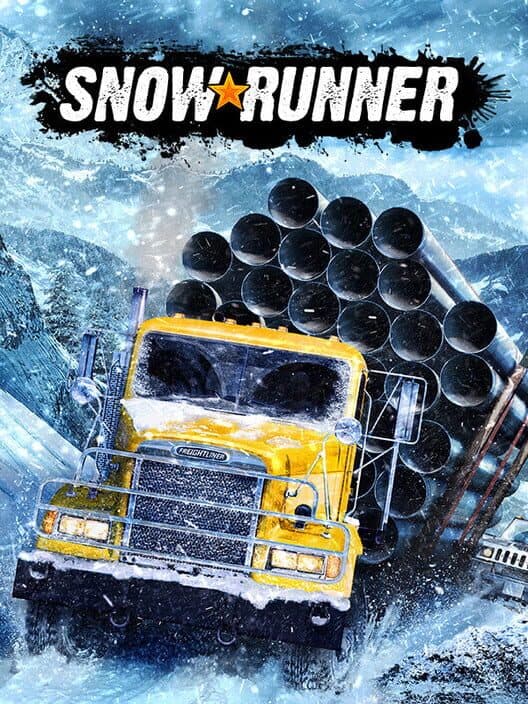
SnowRunner is absolutely worth it if you enjoy slow, methodical challenges and the idea of trucks fighting through bad roads sounds appealing. The game asks for patience more than raw skill: hauls can take a full evening, and a single bad rollover might cost you half a session’s progress. In return, it delivers a unique mix of relaxation and satisfaction that’s hard to find elsewhere. You’ll gradually build a fleet, learn how different tires and gearboxes behave, and feel yourself getting genuinely better at reading terrain. There’s almost no story, and rewards come at a measured pace, so you need to like the core loop of planning routes and wrestling heavy vehicles through mud and snow. For full-price buyers, it’s best for players who want a long-term “project” game to chip away at. If you’re just curious or unsure about the slow pace, waiting for a sale is wise. Skip it if you need fast action, strong narrative, or constant stimulation.

Focus Entertainment • 2020 • Xbox Series X|S, PlayStation 4, PC (Microsoft Windows), PlayStation 5, Mac, Xbox One, Nintendo Switch
SnowRunner is absolutely worth it if you enjoy slow, methodical challenges and the idea of trucks fighting through bad roads sounds appealing. The game asks for patience more than raw skill: hauls can take a full evening, and a single bad rollover might cost you half a session’s progress. In return, it delivers a unique mix of relaxation and satisfaction that’s hard to find elsewhere. You’ll gradually build a fleet, learn how different tires and gearboxes behave, and feel yourself getting genuinely better at reading terrain. There’s almost no story, and rewards come at a measured pace, so you need to like the core loop of planning routes and wrestling heavy vehicles through mud and snow. For full-price buyers, it’s best for players who want a long-term “project” game to chip away at. If you’re just curious or unsure about the slow pace, waiting for a sale is wise. Skip it if you need fast action, strong narrative, or constant stimulation.
When you have an hour or so on a weeknight and want something quiet but engaging, chipping away at a single delivery or rescue feels very satisfying.
On a lazy weekend afternoon, with a podcast or music on, it’s ideal for sinking into a long haul across mud, snow, and rivers at your own pace.
When two or three logistics-minded friends are online, coordinating a convoy or complex rescue chain in co-op turns routine jobs into memorable group projects together.
Best as a long-running project you chip away at in hour-long sessions, reaching a satisfying stopping point after a few dozen hours of relaxed play.
SnowRunner is built for repeated, medium-length sessions rather than marathon weekends. A typical evening of 60–90 minutes is enough to plan a route, complete a solid contract, or tick off a few smaller rescues and discoveries. The autosave system and instant pause make it very friendly to real-life interruptions, though you can’t place manual safety saves before risky maneuvers. Over weeks, you’ll gradually unlock garages, trucks, and upgrades across the three base regions. Most players who stick with it will feel they’ve “seen what it offers” after mastering one full region and sampling the others, somewhere around the 20–40 hour mark. Coming back after a break isn’t too painful, but you will need a short refresher to remember where your trucks are and what you were hauling. Co-op is optional and informal, so you’re never locked into scheduled sessions with friends. Overall, it’s a good fit if you like having a steady background game to return to, not a one-week sprint.
Slow, hands-on driving that keeps your eyes and brain on the road, with planning up front and lots of careful line choices over tricky terrain.
Playing SnowRunner feels like doing a thoughtful, hands-on project. At the start of a session you’ll usually spend a few minutes in the map screen, checking contracts, choosing trucks, and sketching a safe route around the worst mud or ice. Once you’re on the road, your attention shifts to reading the ground in front of you: how deep is that rut, what angle is the slope, can this truck handle that river crossing? You’re constantly nudging throttle, steering, and winch placement, but in a slow, deliberate way rather than frantic button mashing. It’s not the kind of game where you can watch a show at the same time, because glancing away at the wrong moment can flip a loaded trailer. At the same time, it’s not mentally brutal; once you learn the basics, the loop becomes pleasantly repetitive and almost meditative. If you like being absorbed in a single, physical-feeling task, this style of attention is very satisfying.
Takes a few sessions to click, but once you understand trucks, tires, and terrain, routes that once devoured you become pleasantly routine.
The learning curve in SnowRunner is real but not punishing. At first you’ll underestimate mud depth, overestimate your trucks, and get stuck or tipped in ways that feel unfair. Within a handful of evenings, though, you start seeing the logic: which tires actually work in snow, when to lock the differential, how weight and trailers change your options. Basic competence comes fairly quickly, especially if you stick to the first region and avoid Hard Mode. The real payoff appears later, when you revisit roads that once required constant winching and suddenly glide through them thanks to better planning and upgrades. Unlike competitive games, there’s no ladder or ranking to prove your skill, but you’ll feel a very clear internal shift from “barely surviving” to “confident problem-solver.” For busy adults, that means the time you invest in learning genuinely makes future sessions smoother and less frustrating instead of just increasing difficulty forever.
Generally calm and methodical, with occasional gut-clenching moments when a heavy truck starts to tip, sink, or slide somewhere you really don’t want it to go.
SnowRunner sits in an unusual place: it’s mostly relaxing, but it doesn’t shy away from making mistakes feel costly. Driving through forests or along muddy roads is usually low-key and almost soothing, with engine sounds and weather providing a kind of background hum. The tension ramps up when you’re hauling a full load along a narrow ridge or edging into deep mud, knowing one bad angle could flip the truck and spill everything. When that happens, the punishment is time and effort, not a game over screen, but losing 30 minutes of careful driving can sting. This means the game can feel emotionally heavier than cozy farm sims, yet far less stressful than tight shooters or twitchy action games. It works best when you’re in the mood for a steady, thoughtful challenge and can tolerate the occasional setback without it ruining your evening.
Games with a similar rhythm and feel, even if they look different