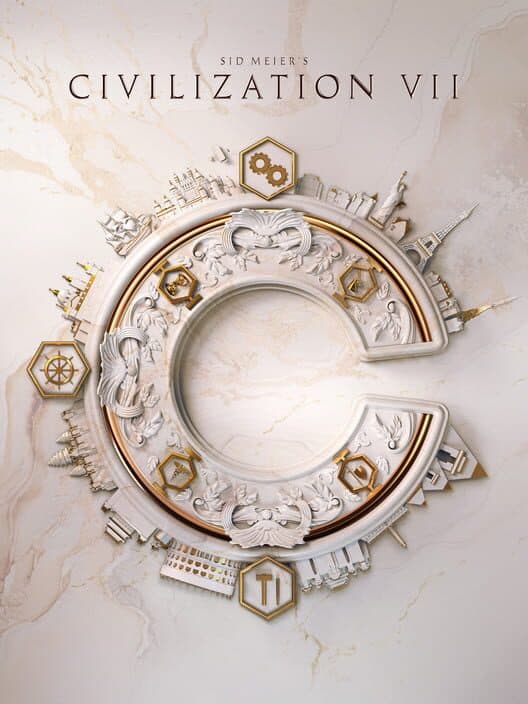
Sid Meier's Civilization VII

2K2025Xbox Series X|S, PlayStation 4, Linux, Nintendo Switch 2, PC (Microsoft Windows), PlayStation 5, Mac, Xbox One, Nintendo Switch
Deep, turn-based empire planning

10–15 hours per campaign

Relaxed pace, mentally demanding

Is Sid Meier's Civilization VII Worth It?

For most strategy fans with limited time, Civilization VII is worth it at full price. It delivers deep, replayable campaigns where your decisions steadily reshape a living map, all at a pace you can fully control. The game asks mainly for mental energy and a willingness to learn a fairly dense ruleset over your first 10–15 hours. Runs are long, and it’s easy to play “just one more turn” far past bedtime, so it suits players who can carve out regular 60–90 minute sessions. In return, you get the satisfaction of guiding a civilization across three historical Ages, surviving crises, and winning in different ways—science, culture, conquest, or wealth. The art and music are excellent, and a light meta-progression system gives extra goals without demanding MMO-level grind. If you prefer fast action, strong character-driven stories, or short self-contained experiences, you may want to wait for a sale or skip it. But if the idea of thoughtful empire-building sounds appealing, this is a rich, polished package that can easily anchor a month or more of your gaming time.

When is Sid Meier's Civilization VII at its best?

You have a free weekend afternoon, two to three hours of mental energy, and want to sink into a slow, satisfying empire-building session without worrying about fast reactions.

On a weeknight you can spare about an hour, feel too wired for TV but not for a twitchy shooter, and want thoughtful decisions that still let you pause for real-life interruptions.

You and a strategy-loving friend can coordinate a long online session, enjoy chatting on voice, and want to co-author an epic story of alliances, betrayals, and shared victories over multiple evenings.

What is Sid Meier's Civilization VII like?

Civilization VII is a time investment, but a flexible one. A single standard-speed campaign often takes 10–15 hours, which for a busy adult usually means spreading one game over several weeks of 60–90 minute sessions. You’ll feel genuine closure after winning once or twice with different leaders and paths, but there’s enough variety to support extra runs if you fall in love with the formula. Session-wise, the game is very forgiving. You can save almost anywhere on your turn, pause indefinitely, and walk away as needed. Natural checkpoints appear when you finish a big Wonder, wrap up a war, or shift into a new Age, so it’s easy to say “one more milestone, then bed.” The main catch is coming back after a break: with so many moving parts, you may need 10–20 minutes to remember what your plan was. Multiplayer is available but long and demanding to schedule, so most adults will primarily enjoy this as a solo, play-when-you-can experience.

Tips

  • Aim for 60–90 minute sessions where you can reach a clear milestone, like ending a war or finishing an Age project.
  • Name your manual saves and add short notes about your current plan to make it easier to resume after a week away.
  • If long campaigns feel daunting, choose smaller maps and fewer opponents to shorten total run time without losing the core experience.

When you sit down with Civilization VII, you’re signing up for a lot of thinking rather than fast reactions. A typical session is packed with menu choices, map scanning, and weighing pros and cons for almost every city and unit. You’ll often have several overlapping goals in mind—grow certain towns, prepare defenses, line up a Wonder, push a tech—and each turn nudges several of those plans forward. Reading pop-ups and tooltips is a big part of play, so it helps to be in a headspace where you don’t mind a bit of “spreadsheet energy.” The nice part is that nothing moves without you. If a kid calls from the other room or a work message pops up, you can pause mid-thought and come back with no damage done. You can even half-watch a show during quieter stretches, as long as you’re willing to refocus for the more complex decisions. It asks for serious mental effort, but on a schedule you fully control.

Tips

  • Plan to play when your brain is reasonably fresh, since you’ll be reading tooltips and weighing trade‑offs almost every turn.
  • Use city and unit renaming or map pins to leave yourself simple notes so you don’t have to keep every plan in your head.
  • If you want lighter sessions, reduce map size and number of opponents so there’s less to track on each turn.

Civilization VII isn’t something you fully “get” in an hour or two. The first time you play, you’ll likely be overwhelmed by icons, menus, and overlapping systems, and that’s normal. Expect your initial run to function as an extended tutorial where you make messy choices, stumble through crises, and maybe lose while you’re still discovering how things fit together. Somewhere around the 10–15 hour mark, patterns start emerging: you learn solid early builds, which tiles are worth working, and when to prioritize defense, growth, or culture. The nice part is that improvement feels meaningful. As you grasp the rules, your empires feel more coherent and your wins start coming from good planning rather than luck. You don’t need to push into brutal difficulties or multiplayer to enjoy that feeling, either. For a busy adult, there’s a comfortable plateau where you understand enough to play well on midrange settings and still have plenty of room to refine strategies over future campaigns.

Tips

  • Treat your first full game as practice; focus on learning systems and reading tooltips instead of obsessing over winning.
  • Start on a forgiving difficulty so you can experiment freely, then bump it up once you’re regularly winning and want more pushback.
  • Watch or read one beginner guide covering the early turns; a few opening principles go a long way toward avoiding frustration.

Civilization VII sits on the gentler side of emotional intensity. Most of the time you’re relaxed, considering options with peaceful music in the background, watching your cities grow and borders slowly shift. There’s no real-time chaos and almost no sudden “you died” moments, so your heart rate usually stays steady. The stress that does appear is more like the pressure of a tight chess game than the jump scares or frantic dodging in action or horror titles. That said, the stakes inside a long campaign can feel real. A surprise declaration of war, a looming crisis, or an opponent racing you to a key victory can make your stomach drop for a few turns. Losing a beloved city or narrowly missing a Wonder you’ve been building for ages will sting. But these moments are intermittent, and you usually have some way to adjust, negotiate, or rebuild. Overall, it’s a good fit if you want something engaging and occasionally dramatic without constant adrenaline or anxiety.

Tips

  • If you dislike pressure, start on an easier difficulty and treat your first campaign as a learning story, not a must‑win run.
  • Pause and step away when a war or crisis feels overwhelming; thinking on a clear head often beats reacting while frustrated.
  • Autosave before big decisions like wars or Age choices so you can experiment without worrying that one mistake will ruin your night.

Frequently Asked Questions