Powered by IGDB•Privacy•Terms

© 2026 Slated.gg

Slated.gg
Popular GamesAbout

Tom Clancy's The Division 2

Ubisoft Entertainment • 2019 • Google Stadia, PlayStation 4, PC (Microsoft Windows), Xbox One
Clear progression

Is Tom Clancy's The Division 2 Worth It?

The Division 2 is worth it today if you enjoy cover-based shooters, loot progression, and optional co-op, and don’t mind an always-online requirement. The core loop of clearing missions, upgrading gear, and watching your agent grow stronger still feels great, especially if you like tactical gunfights rather than pure run-and-gun chaos. It asks for moderate focus and a decent time investment to finish the campaign, but you’ll see constant rewards every session, which makes those hours feel productive. You should consider buying at full (or near-full) price only if you know you like looter shooters and want a main game to sit with for several weeks. For most people, especially given its age and frequent discounts, it’s an excellent sale purchase that can easily deliver dozens of satisfying hours. Skip it if you dislike repetitive mission structures, find modern realistic gun violence off-putting, or want a deep character-driven story. In those cases, its strengths won’t make up for the friction points.

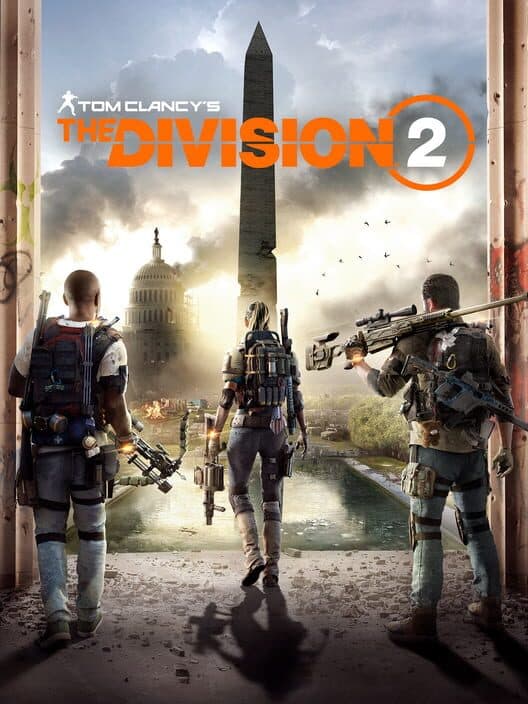
Tom Clancy's The Division 2 cover art

Tom Clancy's The Division 2

Ubisoft Entertainment • 2019 • Google Stadia, PlayStation 4, PC (Microsoft Windows), Xbox One

Clear progression

Is Tom Clancy's The Division 2 Worth It?

The Division 2 is worth it today if you enjoy cover-based shooters, loot progression, and optional co-op, and don’t mind an always-online requirement. The core loop of clearing missions, upgrading gear, and watching your agent grow stronger still feels great, especially if you like tactical gunfights rather than pure run-and-gun chaos. It asks for moderate focus and a decent time investment to finish the campaign, but you’ll see constant rewards every session, which makes those hours feel productive. You should consider buying at full (or near-full) price only if you know you like looter shooters and want a main game to sit with for several weeks. For most people, especially given its age and frequent discounts, it’s an excellent sale purchase that can easily deliver dozens of satisfying hours. Skip it if you dislike repetitive mission structures, find modern realistic gun violence off-putting, or want a deep character-driven story. In those cases, its strengths won’t make up for the friction points.

When is Tom Clancy's The Division 2 at its best?

When you have about an hour on a weeknight and want one focused mission, a few open-world skirmishes, and some clear gear upgrades before logging off.

When a friend is online and you both feel like a tactical shooter session, running a couple of missions together, coordinating skills, and trading near-death revive stories.

When you’re between giant story-heavy games and want a main title for a few weeks that offers steady progression and satisfying action without heavy narrative investment.

What is Tom Clancy's The Division 2 like?

Commitment

MODERATE

Commitment

A substantial but finite campaign, best enjoyed in regular 60–90 minute online sessions with optional co-op and a tempting, but skippable, endgame loop.

MODERATE

For a busy adult, The Division 2 is a solid medium-length commitment. Leveling an agent, finishing the D.C. story, and sampling the early endgame usually land in the 35–60 hour range, depending on how many side missions and activities you chase. That’s a few weeks to a couple of months if you play around an hour most nights. Sessions themselves are flexible. Main missions and strongholds give clear start-and-finish chunks that fit neatly into a 60–90 minute window, especially if you resist the urge to chain “just one more” activity on top. You can play entirely solo, with drop-in matchmaking, or with a regular friend group, so you’re not locked into fixed social schedules. The main caveat is the always-online structure. There’s no real pause, and being pulled away mid-mission can cost a few minutes of progress. Coming back after a long break also means re-learning your build and buttons, though the map and mission log still make your next steps obvious.

Tips

  • Frame sessions around one main mission or a couple of control points so you reliably finish something meaningful within an hour.
  • Log out from bases or safe houses whenever you can so unexpected interruptions or disconnects don’t drop you back into the middle of a firefight.
  • If you return after weeks away, spend your first 15 minutes in the base re-reading your skills and gear before jumping into higher-level missions.

Focus

HIGH

Focus

Tactical gunfights demand steady attention and light planning, with calmer stretches of travel and loot sorting between the intense moments.

HIGH

When bullets are flying, this game wants your full attention. You’re tracking flanks, grenade indicators, armor levels, and skill cooldowns while lining up shots from cover. In those moments you really can’t watch a show or half-focus on your phone; the action is readable but busy. Between firefights, the pace eases up. Running through the streets, checking the map, and deconstructing extra guns at the base are much lighter on attention, giving mental breathers in a longer session. Compared to pure twitch shooters, there’s more thinking and a bit less raw speed. You’re choosing angles, pairing skills with weapons, and reacting to enemy archetypes, not just snapping to heads. At the same time, it’s nowhere near as mentally taxing as a deep strategy or management game. If you sit down with a clear head and treat missions as focused chunks of play, the attention it asks for feels engaging rather than draining.

Tips

  • Run on Story or Normal at first so you can read enemy behavior and layouts without needing constant split-second reactions.
  • Treat each main mission as a focused block: handle real-life distractions before starting, then use hub time afterward to check your phone.
  • If menus feel overwhelming, stick to one weapon type and a simple skill pair, only swapping gear when upgrades are clearly stronger.

Mastery

MODERATE

Mastery

Easy to pick up, with clear benefits if you invest time in better aim, positioning, and simple buildcrafting.

MODERATE

You don’t need to be an expert to enjoy The Division 2. If you’ve played any third-person shooter, the basics—aim, shoot, move between cover—feel familiar within your first session. On Story or Normal difficulty, that’s enough to finish early missions and get a feel for the world without slamming into a wall. Where the game rewards mastery is in small, cumulative improvements. Learning to chain cover moves, land more headshots, and recognize enemy types quickly makes fights smoother and faster. Later, understanding how gear brands, talents, and skills interact lets you create loadouts that fit your style, whether that’s long-range rifles, close-quarters shotguns, or skill-heavy turret builds. The good news for busy adults is that deep optimization is optional. You can finish the campaign with a rough, common-sense build. If you fall in love with the game, there’s plenty of room to push into higher difficulties where your growing skill and smarter gear choices really shine.

Tips

  • Early on, focus on learning to move safely between cover and land consistent headshots; these fundamentals matter more than perfect gear stats.
  • Pick one specialization and stick with it for a while so you can feel how your skills and weapons synergize instead of constantly swapping.
  • Once you hit max level, watch a short beginner build guide; a few targeted tips can save you hours of trial-and-error tweaking.

Intensity

MODERATE

Intensity

Fights feel tense and demanding, but quick respawns and forgiving penalties keep the overall mood exciting rather than exhausting.

MODERATE

The Division 2 sits in a comfortable middle zone for intensity. Firefights can absolutely spike your heart rate—especially when heavily armored enemies push your cover or a grenade lands at your feet—but the stakes are mostly time and pride, not devastating losses. You die, you respawn at a checkpoint or safe house, and you try again with a better plan. On default settings, most campaign missions feel fair. You’ll have to respect cover and use armor kits, yet you rarely get trapped in walls of frustration. Cranking the difficulty, wandering into areas under-leveled, or dabbling in PvP will all raise the emotional temperature, but those are choices you can avoid when you just want a solid evening session. For many adults, the combination of realistic gunplay, modern themes, and constant noise can still feel intense after a long day, so it’s better suited to nights when you want active engagement, not complete relaxation.

Tips

  • If you’re coming in tired, drop the difficulty a notch so enemies feel threatening but not like endlessly spongy stress machines.
  • Stick to solo or friends-only voice chat when you want a calmer night, avoiding random lobbies that can add social tension.
  • Use armor kits and skills proactively instead of saving them forever; controlled fights feel far less stressful than last-second scrambles.

Frequently Asked Questions

You Might Also Like

Games with a similar rhythm and feel, even if they look different

Diablo IV game cover art
Clear progression

Diablo IV

Commitment
MODERATE
Focus
HIGH
Mastery
MODERATE
Intensity
MODERATE
Monster Hunter: World game cover art

Monster Hunter: World

Commitment
HIGH
Focus
HIGH
Mastery
MODERATE
Intensity
MODERATE
Dying Light 2: Stay Human game cover art
Clear progression

Dying Light 2: Stay Human

Commitment
MODERATE
Focus
MODERATE
Mastery
MODERATE
Intensity
MODERATE
Fallout 76 game cover art

Fallout 76

Commitment
HIGH
Focus
MODERATE
Mastery
MODERATE
Intensity
LOW
Wuthering Waves game cover art
Clear progression

Wuthering Waves

Commitment
MODERATE
Focus
HIGH
Mastery
MODERATE
Intensity
MODERATE
Borderlands 4 game cover art
Clear progression

Borderlands 4

Commitment
MODERATE
Focus
HIGH
Mastery
MODERATE
Intensity
MODERATE
← Back to Home