Powered by IGDB•Privacy•Terms

© 2026 Slated.gg

Slated.gg
Popular GamesAbout

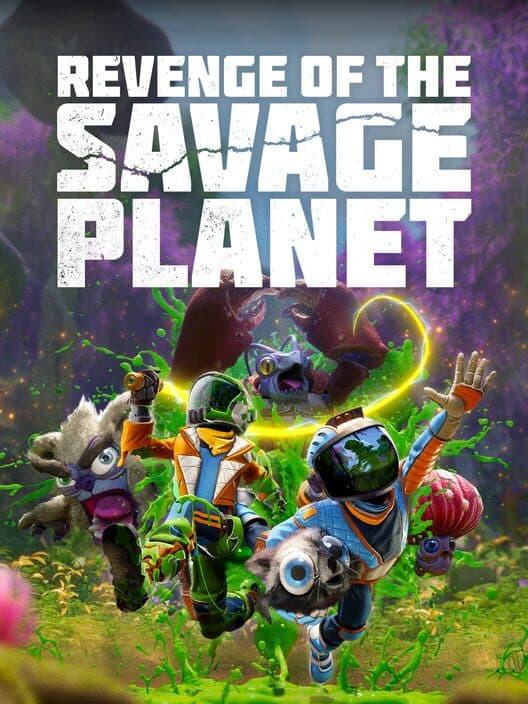
Revenge of the Savage Planet

Raccoon Logic • 2025 • Xbox Series X|S, PlayStation 4, PC (Microsoft Windows), PlayStation 5
Easy to jump intoClear progression

Is Revenge of the Savage Planet Worth It?

Revenge of the Savage Planet is worth it if you want a colorful, finishable co-op adventure rather than a massive time sink. Its sweet spot is adults who enjoy light shooting and platforming, appreciate irreverent humor, and can commit a few hours a week for a couple of weeks. The campaign is long enough to feel substantial but short enough that you’ll likely see credits before burnout. In return, you get gorgeous alien vistas, constantly silly corporate satire, and a satisfying sense of growth as new tools open fresh routes across each planet. The game rarely reaches deep emotional highs or mechanical depth, so players seeking a serious narrative epic or extremely tight combat might feel underwhelmed. It also leans hard on crude jokes, which won’t land for everyone and can be awkward around kids. Buy at full price if a compact, co-op friendly sci-fi romp sounds ideal. If you’re mainly solo and only mildly curious, it’s a strong sale pick rather than a must-have.

Revenge of the Savage Planet cover art

Revenge of the Savage Planet

Raccoon Logic • 2025 • Xbox Series X|S, PlayStation 4, PC (Microsoft Windows), PlayStation 5

Easy to jump intoClear progression

Is Revenge of the Savage Planet Worth It?

Revenge of the Savage Planet is worth it if you want a colorful, finishable co-op adventure rather than a massive time sink. Its sweet spot is adults who enjoy light shooting and platforming, appreciate irreverent humor, and can commit a few hours a week for a couple of weeks. The campaign is long enough to feel substantial but short enough that you’ll likely see credits before burnout. In return, you get gorgeous alien vistas, constantly silly corporate satire, and a satisfying sense of growth as new tools open fresh routes across each planet. The game rarely reaches deep emotional highs or mechanical depth, so players seeking a serious narrative epic or extremely tight combat might feel underwhelmed. It also leans hard on crude jokes, which won’t land for everyone and can be awkward around kids. Buy at full price if a compact, co-op friendly sci-fi romp sounds ideal. If you’re mainly solo and only mildly curious, it’s a strong sale pick rather than a must-have.

When is Revenge of the Savage Planet at its best?

When you and a friend have 60–90 minutes, want to laugh together, and feel like ticking off a couple of clear objectives without heavy story reading.

On a weeknight when you’re mentally tired but still up for light action, its colorful worlds, forgiving deaths, and simple goals make it a great low-pressure pick.

On a weekend afternoon when you can focus a bit more, it’s perfect for exploring a new planet, unlocking traversal tools, and pushing through a big story milestone.

What is Revenge of the Savage Planet like?

Commitment

MODERATE

Commitment

A full run fits comfortably into a few weeks of short sessions, with flexible pausing and easy re-entry if life pulls you away.

MODERATE

Revenge of the Savage Planet is designed to be a finite project, not a forever game. A reasonably thorough playthrough runs around 12–15 hours, stretching to 20–25 if you chase lots of side experiments and secrets. At 5–10 hours a week, that’s a comfortable two‑ to four‑week commitment. Sessions naturally fall into 60–90 minute chunks: gear up at the Habitat, teleport to a planet, tackle a cluster of objectives, then return home to bank resources and upgrade. Autosaves and full pause support make it easy to stop mid-run if something comes up, though you may repeat a few minutes of traversal next time. Coming back after a break is manageable thanks to clear journals and maps, even if you need a short warm‑up to remember your tools. Co-op adds a light scheduling requirement if you want to stay in sync with a partner, but there’s no raid-style obligation or daily checklist pushing you to log in.

Tips

  • Plan sessions around finishing one main experiment or story step; most of these fit nicely into a 60–90 minute window.
  • Before you quit, always return to the Habitat, spend your resources, and glance at your journal so you know exactly what to tackle next time.
  • If you’re playing co‑op, agree on a regular evening each week so the shared save keeps moving without stressful rescheduling.

Focus

MODERATE

Focus

You’ll stay mentally and physically engaged during outings, but hub downtime and forgiving pacing keep things from feeling like a draining, high-pressure grind.

MODERATE

Moment to moment, this game keeps your brain and hands busy. Out on a planet you’re watching for enemies and hazards, timing jumps, aiming shots, and keeping experiment objectives in mind. You’re also reading the environment for hidden paths or suspicious geometry that might hide secrets. That said, nothing asks you to solve dense logic puzzles or juggle complex character builds; it’s more about staying alert and responsive than about deep planning. The Habitat and menus act as regular breathers where you can calmly decide upgrades and next destinations without pressure. In co-op, some of the thinking is shared as you talk through which objectives to chase and how daring to be. For a tired adult after work, it asks for honest focus during runs but lets you mentally relax whenever you’re back at base or cruising through already-cleared sections.

Tips

  • Treat each outing from the Habitat as one main goal so you’re not juggling too many objectives in your head at once.
  • When exploring, clear small areas thoroughly before moving on; it reduces backtracking and makes it easier to remember where you’ve already searched.
  • If playing co‑op, let one person lead navigation and map-checking while the other focuses on combat to keep mental clutter manageable.

Mastery

MODERATE

Mastery

You’ll pick up the basics quickly, and extra practice mainly makes things smoother and flashier rather than unlocking totally new layers of complexity.

MODERATE

Learning this game is closer to learning a comfortable action-adventure than a demanding simulator. Basic aiming, jumping, and dodging feel familiar if you’ve played modern third-person games. The curve mostly comes from gradually adding tools: grapples, different goo types, dive attacks, and creature capture mechanics. It takes a few sessions before those all flow together without conscious thought. Pushing beyond basic competence pays off in how the game feels rather than what it allows. Skilled players can chain movement powers to skim across levels, weave through enemies, and reach secrets with stylish shortcuts. Still, the story is tuned so that you can succeed with only modest improvement, especially if you stay on top of upgrades. For a busy adult, that means you get the satisfaction of getting better without the pressure to grind for dozens of hours just to see late-game content.

Tips

  • Spend a few minutes in safe areas practicing grapples, double‑jumps, and goo combos until they feel natural before tackling harder platforming sections.
  • Pick one or two favorite weapons and movement tools to really master so you always have reliable options during chaotic fights.
  • Revisit earlier regions after unlocking new abilities; it’s a relaxed way to sharpen skills while still earning resources and uncovering secrets.

Intensity

LOW

Intensity

Action can get busy and occasionally chaotic, but cartoon gore, quick respawns, and constant jokes keep tension in the mild-to-moderate range.

LOW

This isn’t a white‑knuckle, controller‑throwing experience, but it’s not a sleepy walking tour either. Fights can fill the screen with enemies, projectiles, and goo effects, and some platforming sections will make you sit up and pay attention. However, deaths are low-stakes: you usually just respawn at the last teleporter or the Habitat, with a chance to reclaim dropped resources. The tone is relentlessly goofy, with fake ads and sarcastic commentary undercutting any sense of grim peril. That means your heart rate might spike briefly during a tricky jump or dense enemy pack, then quickly settle as you laugh at the aftermath. There are no horror elements, no punishing time limits, and no competitive ladders pushing you to grind. For most adults, the emotional load is closer to watching a loud Saturday-morning cartoon than enduring a stressful thriller.

Tips

  • On nights when you’re wiped out, focus on exploration and easy side tasks instead of the most enemy-packed areas to keep tension low.
  • Invest in key movement and combat upgrades early; being slightly overpowered turns potential stress spikes into breezy, playful encounters.
  • If repeated deaths frustrate you, take a short break at the Habitat, craft an upgrade, and approach the problem area with fresh eyes.

Frequently Asked Questions

You Might Also Like

Games with a similar rhythm and feel, even if they look different
Monster Hunter Wilds game cover art
Clear progression

Monster Hunter Wilds

Commitment
MODERATE
Focus
HIGH
Mastery
MODERATE
Intensity
MODERATE
Borderlands 4 game cover art
Clear progression

Borderlands 4

Commitment
MODERATE
Focus
HIGH
Mastery
MODERATE
Intensity
MODERATE
Dying Light 2: Stay Human game cover art
Clear progression

Dying Light 2: Stay Human

Commitment
MODERATE
Focus
MODERATE
Mastery
MODERATE
Intensity
MODERATE
Dying Light: The Beast game cover art
Clear progression

Dying Light: The Beast

Commitment
MODERATE
Focus
HIGH
Mastery
MODERATE
Intensity
HIGH
Tom Clancy's The Division 2 game cover art
Clear progression

Tom Clancy's The Division 2

Commitment
MODERATE
Focus
HIGH
Mastery
MODERATE
Intensity
MODERATE
The Elder Scrolls Online game cover art
Clear progression

The Elder Scrolls Online

Commitment
HIGH
Focus
MODERATE
Mastery
MODERATE
Intensity
LOW
← Back to Home