Krafton • 2022 • Xbox Series X|S, PlayStation 4, PC (Microsoft Windows), PlayStation 5, Xbox One
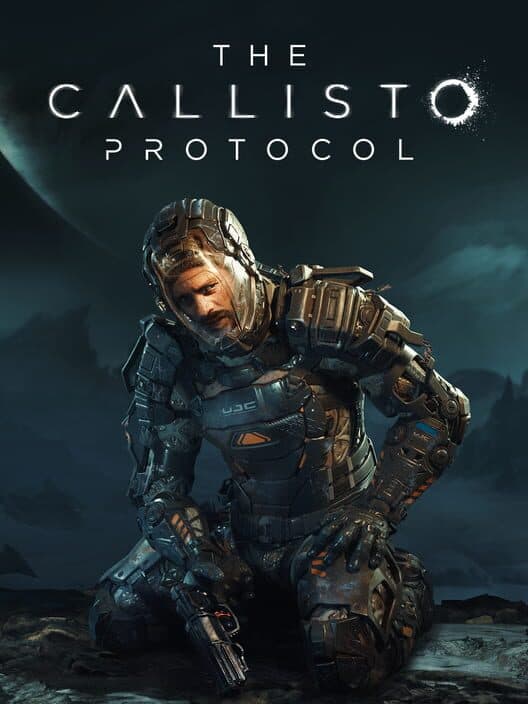
The Callisto Protocol
Krafton • 2022 • Xbox Series X|S, PlayStation 4, PC (Microsoft Windows), PlayStation 5, Xbox One
Is The Callisto Protocol Worth It?
The Callisto Protocol is worth it if you want a short, polished horror campaign and can preferably grab it on sale. Its best hook is pure atmosphere. Black Iron Prison looks amazing, sounds even better, and sells every hallway, corpse, and creature attack with real weight. If you want a one-and-done sci-fi nightmare you can finish in a couple of weeks, it delivers that well. What it asks from you is steady attention and some patience with its combat rhythm. The dodge-and-baton loop works best when you play carefully, manage ammo, and use the GRP glove and wall hazards smartly. The catch is that this loop can start to feel repetitive, especially in busier fights. Checkpoint saving is workable for normal sessions, but it is not as flexible as a save-anywhere game. Buy at full price only if you love survival horror presentation and want a tightly guided ride. Wait for a sale if you like horror but are unsure about melee-heavy combat. Skip it if you want deep replay value, broad exploration, or a mechanically rich action game.
What is The Callisto Protocol like?
Opinions of The Callisto Protocol
What Players Love
- Players Love
Atmosphere, lighting, and gore effects leave a strong impression
Players consistently praise the prison's visuals, harsh lighting, creature design, and heavy gore, saying the setting feels oppressive from the opening minutes onward.
- Players Love
Sound and performances make Black Iron feel disturbingly real
Voice work, creature audio, and motion-captured acting often get singled out as key reasons the campaign feels expensive, cinematic, and easy to sink into.
Common Concerns
- Common Concern
Melee combat can feel repetitive and awkward in crowds
Many players enjoy the basic dodge-and-baton idea at first, then grow frustrated when several enemies or ranged attacks overlap and the system feels clumsy.
- Common Concern
Launch stutter still shadows trust, especially on PC
Even after patches improved performance, early frame-time problems remain part of the game's reputation, and many discussions still warn PC buyers to check current results.
Divisive Aspects
- Divisive
The short, linear campaign feels focused or too thin
Some players love that it is a tight one-weekend horror ride, while others feel the limited exploration and low variety make the package feel slight.
What does The Callisto Protocol demand from you?
Time
LOWTime
This is a short, finishable campaign that fits weeknight sessions well, as long as you are okay with checkpoint saving instead of total stop-anytime freedom.
Focus
MODERATEFocus
You need eyes on the screen almost constantly, with practical split-second choices about dodging, spacing, healing, ammo, and when to turn the room against enemies.
Challenge
MODERATEChallenge
You can learn the toolset fairly quickly, but the dodge rhythm and messy crowd fights take patience, especially if you expect a fast shooter.
Intensity
HIGHIntensity
It trades comfort for dread, serving regular heart-rate spikes through ugly close-range fights, loud scares, and a heavy sense that mistakes will hurt.
Frequently Asked Questions
You Might Also Like
Games with a similar rhythm and feel, even if they look different