Resident Evil 4

Capcom2023Xbox Series X|S, PlayStation 4, PC (Microsoft Windows), iOS, PlayStation 5, Mac
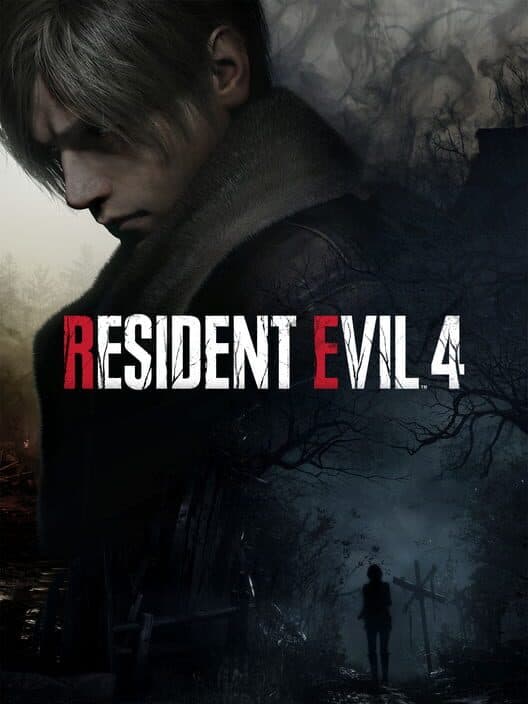
Tense third-person survival horror shooter

12–20 hour, chapter-based campaign

Best solo with focused evening sessions

Is Resident Evil 4 Worth It?

Resident Evil 4 (2023) is worth it if you enjoy scary, action-heavy games and can handle some stress in exchange for an excellent, focused campaign. The shooting feels great, the atmosphere is top tier, and the story is just long enough to feel substantial without turning into a grind. It asks you for steady attention, a strong stomach for gore, and a tolerance for heart-pounding moments where death can come quickly. In return, you get a polished, consistently exciting journey from underpowered agent to confident monster-slayer, with satisfying upgrades and memorable boss fights. For full-price buyers, it’s an easy recommendation if you like horror, third-person shooters, or loved the original. If you’re only mildly curious about horror or very sensitive to tension, it might be better as a sale purchase or a game you sample over a few shorter sessions. If you hate being scared or want something purely relaxing, you should probably skip it and look for a calmer narrative game instead.

When is Resident Evil 4 at its best?

When you have a focused 60–90 minute evening block and want something tense and cinematic, clearing a chapter or big set-piece feels like a complete, satisfying session.

On a weekend night with headphones and the lights off, when you’re in the mood for scary set-pieces and don’t mind feeling wrung out afterward by intense action and horror.

As a short, two-week “project game” between longer RPGs, giving you one strong story run without needing to commit to multiplayer schedules or endless grinding systems.

What is Resident Evil 4 like?

Resident Evil 4 fits nicely into an adult schedule. The main story usually takes 12–20 hours depending on how thoroughly you explore and how often you die, which translates to a week or two at 5–10 hours per week. The campaign is linear and chapter-based, so you always know you’re making forward progress rather than circling an open world. Sessions don’t need to be huge. Many chapters or major encounters can be cleared in under an hour, and typewriters plus frequent autosaves make it easy to stop when real life interrupts. You can pause at any moment, even mid-fight, which helps if you’re juggling family or work responsibilities. The game doesn’t demand replays, higher difficulties, or perfect ranks to feel complete. Those systems exist for enthusiasts, but a single run on Standard or Assisted delivers a full story arc. Returning after a couple of weeks requires a short re-adjustment, yet you won’t feel completely lost or forced to restart.

Tips

  • Treat each chapter or big encounter as a natural stopping point; saving there keeps the story easy to follow across busy weeks.
  • If you’re pressed for time, skip optional backtracking and focus on the main objective arrow; you’ll still get the core experience.
  • When returning after a break, spend five minutes at a typewriter area shooting, re-binding your memory to controls, and reviewing your case before diving into serious combat.

Playing Resident Evil 4 asks for real, continuous attention. Most of the time you’re aiming carefully, listening for enemy audio cues, and watching corners for ambushes or traps. Even when you’re not directly fighting, you’re scanning rooms for breakable crates, hidden treasures, and blue side-request notes. The inventory case and merchant screens add planning windows where you think about which guns to upgrade and how to spend limited cash, but these breaks are still fairly active, not idle. This isn’t a game to play while half-watching a show or checking your phone. During combat, looking away even briefly can mean a surprise grab, thrown weapon, or flanking enemy. Reaction windows aren’t absurdly tight, yet you need to stay mentally present. Between encounters, there’s just enough breathing space to catch up, craft ammo, and reorganize without losing the sense of threat. For a busy adult, it’s best when you can give it a solid, uninterrupted block of attention rather than trying to squeeze it in beside other tasks.

Tips

  • Use merchant and typewriter rooms as short mental breaks to stretch, check your phone, or decompress before heading into the next tense area.
  • If you’re tired, favor Assisted or Standard difficulty so lapses in attention hurt less while you still enjoy the atmosphere and story.
  • Play with good headphones at a comfortable volume; clear audio cues reduce surprise grabs and actually make the game feel more manageable.

Getting comfortable with Resident Evil 4 doesn’t take long. Within a couple of sessions you’ll understand basic shooting, melee follow-ups, crowd control, and how to manage your case and upgrades. The systems are layered but not overwhelming, especially on Standard or Assisted. Where the game really shines is how much better it feels as you improve. Learning enemy behaviors, ideal stun points, and arena layouts lets you conserve ammo, set up explosive chains, and flow through rooms that once felt impossible. Headshots, staggers, knife parries, and smart grenade use can completely flip the difficulty curve in your favor. New Game+ and higher modes exist specifically for players who enjoy turning that knowledge into faster clears, higher ranks, and challenge unlocks. For a busy adult, you don’t need to chase perfection to get a satisfying experience. One solid run is enough, but if you enjoy getting better, the game will absolutely reward the extra effort.

Tips

  • On your first run, focus on learning enemy patterns and basic crowd control rather than perfection; mastery can wait for New Game+ if you want it.
  • Consider specializing in two or three favorite weapons so upgrade resources feel impactful and you can learn their recoil and damage ranges deeply.
  • Watch short encounter guides or boss tips if you get stuck; a bit of outside knowledge can dramatically cut frustration without spoiling the whole game.

This remake runs hot almost the entire time. Combat arenas are loud, chaotic, and full of rushing villagers, parasites, and chainsaw maniacs, all backed by sharp sound design and jump scares. Even outside of battles, the environments drip with dread: creaking floors, distant screams, and gross body horror keep you on edge. When things erupt, they erupt fast, and failure animations are often graphic. Difficulty on Standard sits in a demanding but fair range, yet the emotional ride amplifies everything. A fight that would feel routine in another action game can feel nerve-wracking here because you’re short on ammo, the room is claustrophobic, and you’ve just watched Leon nearly get decapitated. The payoff is equally strong: surviving a cramped siege or a brutal boss creates huge rushes of relief and accomplishment. For many adults, this is not a bedtime wind-down game. It’s better when you actively want tension and can handle being a bit wired afterward.

Tips

  • Avoid long sessions right before sleep if you’re sensitive to horror; play earlier in the evening so you can unwind afterward.
  • If the stress gets overwhelming, lower difficulty and use aim assist so encounters feel more like action set-pieces than desperate scrambles.
  • Take a breather after big bosses or set-pieces; stepping away for a few minutes helps keep the tension enjoyable instead of exhausting.

Frequently Asked Questions