Nicalis, Inc. • 2014 • PlayStation 4, Linux, Nintendo 3DS, PC (Microsoft Windows), iOS, Mac, Wii U, PlayStation Vita, New Nintendo 3DS, Xbox One
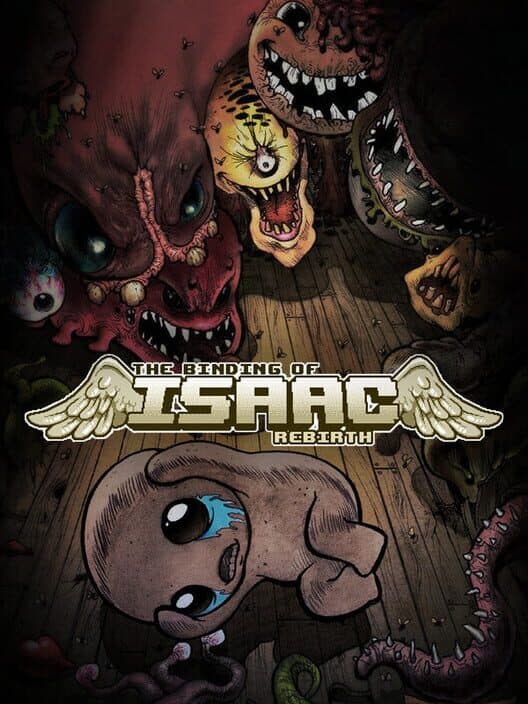
The Binding of Isaac: Rebirth
Nicalis, Inc. • 2014 • PlayStation 4, Linux, Nintendo 3DS, PC (Microsoft Windows), iOS, Mac, Wii U, PlayStation Vita, New Nintendo 3DS, Xbox One
Is The Binding of Isaac: Rebirth Worth It?
Yes, The Binding of Isaac: Rebirth is worth it if you enjoy difficult one-more-run games and do not mind learning through failure. What makes it special is how often a single weird item changes the whole run. One attempt can feel weak and desperate, while the next turns into a ridiculous monster of lasers, explosions, or survivable nonsense. That variety is the real hook, and it still holds up. What it asks from you is honesty about your patience. The game is dark, gross, and not very well explained. You will die a lot early on, and you may want an item guide nearby unless you love blind experimentation. If you want clear tutorials, steady fairness, or a calm bedtime game, wait for a sale or skip it. Buy at full price if you like roguelites, build experimentation, and games that stay replayable for years. Wait for a sale if you are curious but unsure about the tone or the opacity. Skip it if permadeath, heavy randomness, or disturbing imagery are dealbreakers.
What is The Binding of Isaac: Rebirth like?
Opinions of The Binding of Isaac: Rebirth
What Players Love
- Players Love
Item synergies keep nearly every run feeling fresh
Players consistently praise how one strange pickup can completely change a run, turning familiar rooms and bosses into new problems or hilarious power trips.
- Players Love
Fast restarts make failed runs easy to retry
Losses sting less because the early floors move quickly, new attempts begin immediately, and permanent unlocks help each run feel useful instead of wasted.
- Players Love
The gross dark style gives it real personality
Fans often highlight the unsettling religious imagery, body-horror enemies, and crude humor as a big reason the game still feels memorable years later.
Common Concerns
- Common Concern
Many items and hidden systems are poorly explained
A common complaint is needing a wiki or item guide to understand pickups, synergies, and unlock rules that the game itself barely explains.
- Common Concern
Early runs can feel overwhelming and visually messy
New players often mention a rough opening stretch where cluttered rooms, unclear item value, and sudden damage make the game feel harsher than expected.
Divisive Aspects
- Divisive
Randomness creates thrilling highs but also frustrating lows
The same luck-driven item system that makes great runs unforgettable can also create weak starts and rough streaks that feel more annoying than exciting.
What does The Binding of Isaac: Rebirth demand from you?
Time
LOWTime
Runs fit well into hour-long sessions thanks to pause and suspend, and you can feel satisfied after a few weekends without chasing every unlock.
Focus
HIGHFocus
Most rooms want your full eyes and hands, but the thinking comes in quick bursts: dodge first, then judge shops, resources, and risky detours.
Challenge
MODERATEChallenge
Simple controls hide a lot of hidden knowledge. You can shoot and move in minutes, but smart item calls and enemy reads take several evenings.
Intensity
HIGHIntensity
The pressure comes from fragile health bars and permadeath runs, not jump scares. Deaths sting, but fast restarts keep the mood tense instead of crushing.
Frequently Asked Questions
You Might Also Like
Games with a similar rhythm and feel, even if they look different