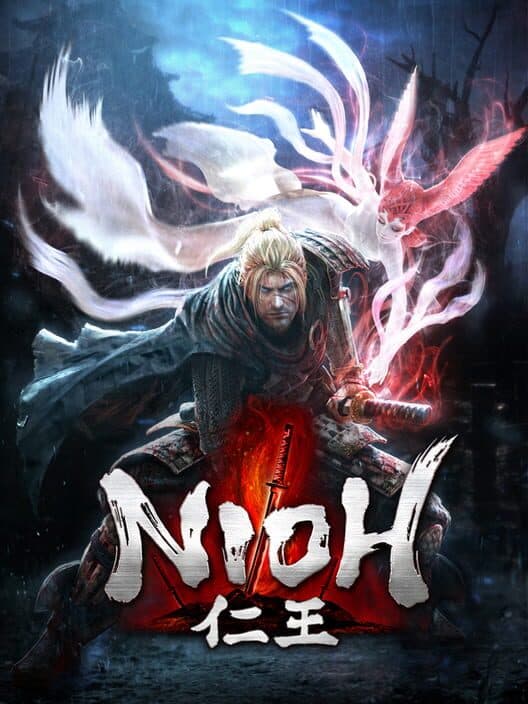
Nioh

Koei Tecmo Games2017PlayStation 3, PlayStation 4

Brutally challenging samurai action with deep combat

Mission-based structure fits 60–90 minute sessions

Loot-heavy progression and flexible build crafting

Is Nioh Worth It?

Nioh is worth it if you enjoy tough, skill-based action and can handle some frustration in exchange for big payoffs. It’s a demanding samurai action RPG built around precise combat, deep builds, and punishing enemies. The catch is that it expects focus, patience, and a willingness to learn; this isn’t a relaxing “switch off your brain” game. For busy adults, the mission-based structure and frequent shrines fit 60–90 minute sessions surprisingly well, and you’ll feel meaningful progress most nights even when a boss refuses to die. The main story plus some side missions delivers a satisfying 40–60 hour journey, with optional higher difficulties and build tinkering if you want more. Buy at full price if you love Souls-style challenges, loot-driven progression, and the idea of mastering a complex combat system. Wait for a sale if you’re curious but unsure about the difficulty. Skip it if you mainly want a laid-back experience or play games primarily for story rather than mechanics.

When is Nioh at its best?

When you have about ninety focused minutes in the evening and want to chip away at a tough mission, opening shortcuts and maybe getting a few serious attempts on the boss.

On a weekend session where you feel mentally fresh enough to learn systems, refine your build, test new weapons, and see your character noticeably stronger by the time you log off.

When a like-minded friend is online and you both want an intense co-op challenge, coordinating voice chat, reviving each other, and celebrating together when a brutal mission finally goes down.

What is Nioh like?

Nioh is a substantial commitment, but it’s also neatly packaged for adult schedules. A typical “complete” run for a time-limited player—main story plus a healthy slice of side content—lands around 40–60 hours. At 5–10 hours a week, that’s a month or two of regular play. Missions and shrines create clear stopping points, so it’s easy to plan around “one mission” or “reach the next shrine” in an evening. Where it’s less friendly is unpredictability. You can’t guarantee beating a boss on a schedule, and unexpected interruptions in the middle of a fight can be brutal. Returning after weeks away also carries friction, because you must re-learn timing and systems. Socially, you don’t owe anyone raid times or ranked grinds; co-op is optional seasoning. Nioh suits adults who can carve out focused 60–90 minute blocks and want an ongoing project to chip away at. It’s not ideal if your gaming happens mostly in short, chaotic bursts.

Tips

  • Think of progress in terms of missions cleared or shrines reached, not just bosses beaten, to feel forward momentum.
  • Plan sessions so you’re near a shrine before real-life obligations might pull you away.
  • If you’re returning after a long break, spend one session doing easier missions just to rebuild comfort and confidence.

Playing Nioh asks for a lot of mental focus. You’re tracking enemy animations, Ki levels, your stance, spacing, nearby hazards, and sometimes projectiles all at once. Even “trash” enemies can kill you if you drift mentally, so the game rarely allows true autopilot. Outside of combat, your brain is still working on build choices, loot comparisons, and route decisions through each mission. This makes sessions feel intense and absorbing, but also mentally tiring, especially after a long workday. The upside is a strong sense of presence. When you’re in a good groove, Nioh can create that rare flow state where everything else fades away. But it’s not a game to play while half-watching TV or checking your phone. For busy adults, the sweet spot is treating it like a focused hobby session, not background entertainment. If you can give it your full attention for an hour or more, it will reward that investment with rich, engaging gameplay.

Tips

  • Start each session with ten minutes of low-risk fights to rebuild rhythm before tackling harder sections or bosses.
  • Avoid playing when you’re overly tired or distracted; save Nioh for nights when you can actually concentrate.
  • Use shrines as mental checkpoints, pausing there to breathe, sort loot, and decide if you have energy for another push.

Nioh asks you to learn a lot: stances, Ki Pulse, weapon movesets, tough enemy patterns, and a dense collection of stats and loot effects. The first several hours can feel harsh, because you’re punished before you’ve internalized all of that. For a busy adult, expect multiple sessions before you feel even moderately comfortable, and longer before the systems truly click. The payoff is significant. As you improve, you’ll find yourself calmly dodging attacks that once seemed impossible, switching stances instinctively, and using tools like magic or ninjutsu in smart ways. Your build decisions start to feel intentional instead of random. This shift from surviving to expressing skill is where Nioh shines. It becomes less about brute forcing with gear and more about the satisfaction of clean execution. If you like games where you can clearly feel yourself getting better over weeks, Nioh delivers that arc strongly. If you want to be fully effective right away, it may feel punishing.

Tips

  • Commit to one or two main weapons early so you can deeply learn their moves instead of spreading practice too thin.
  • Watch a short beginner’s guide on Ki Pulse and stances; understanding these two systems drastically smooths the learning curve.
  • Accept that early deaths are tuition; focus on what each failure teaches rather than treating them as pure setbacks.

Nioh is an intense game, both emotionally and physically. Fights are lethal, bosses can wipe you out in seconds, and there’s always the threat of losing a chunk of Amrita if you die twice. That constant risk keeps your heart rate elevated, especially when you’re close to a shrine or deep into a boss attempt. Sessions can feel like a series of mini adrenaline spikes, punctuated by brief calm moments at shrines or in menus. For many players, this is “good stress”: the rollercoaster feeling of just-barely-surviving a combo or finally landing the killing blow. But if you’re already drained from work or life, that same intensity can tip into frustration. There’s no true “relaxed mode” here; even grinding can be dangerous. As a result, Nioh is best when you actively want a challenge and have the emotional bandwidth to fail, regroup, and try again without beating yourself up.

Tips

  • On nights when you feel fragile, focus on easier side missions or farming runs instead of new bosses.
  • Set a firm limit on boss attempts per session to avoid spiraling frustration; walk away after that number.
  • Pay attention to physical signs of stress, like clenched shoulders, and take short breaks when you notice them.

Frequently Asked Questions