Xbox Game Studios • 2025 • Xbox Series X|S, PC (Microsoft Windows), PlayStation 5
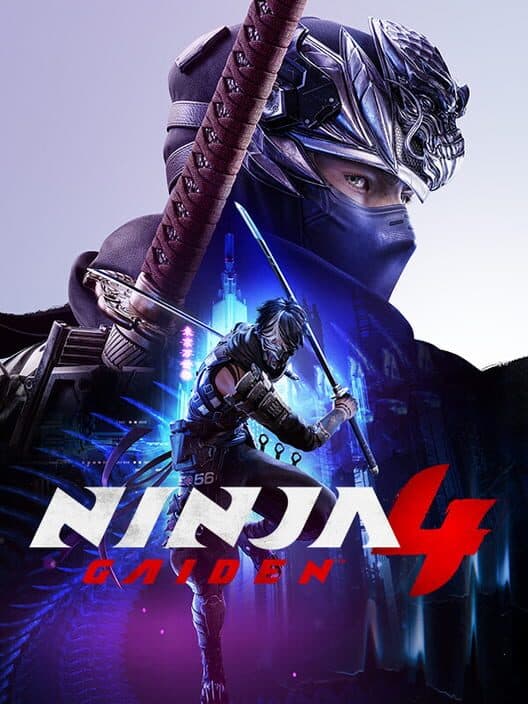
Ninja Gaiden 4
Xbox Game Studios • 2025 • Xbox Series X|S, PC (Microsoft Windows), PlayStation 5
Is Ninja Gaiden 4 Worth It?
Yes, Ninja Gaiden 4 is worth it if fast, skill-based combat is exactly what you want. The big draw is how good it feels once the systems click. Parries, executions, movement, and weapon skills all feed that clean 'I earned this' payoff, and the full campaign is short enough to finish without turning into a second job. Buy at full price if you love action games where the fights are the whole point and you're happy with a 10 to 15 hour first run plus optional replay. Wait for a sale if you care a lot about story, because the combat clearly outclasses the characters and plot. Also consider waiting if checkpoint saving quirks tend to bother you, since that friction shows up often enough to matter. Skip it if you want a relaxed evening game, a rich narrative, or lots of freeform exploration. This is a focused, intense, single-player ride built around mastery. It asks for attention, quick reactions, and some willingness to retry hard encounters. In return, it delivers one of the most satisfying combat loops in recent action games.
What is Ninja Gaiden 4 like?
Opinions of Ninja Gaiden 4
What Players Love
- Players Love
Combat is fast, stylish, and rewarding to master
Players overwhelmingly praise the combat for feeling sharp and responsive. Parries, executions, and weapon skills create a strong 'that was all me' payoff.
- Players Love
Training tools make the challenge easier to enter
Hero mode, assist options, and training mode help newer players learn timing and combos without flattening the skill ceiling for repeat runs later.
Common Concerns
- Common Concern
Story and character work rarely match the action
Even fans of the combat often call the story thin. Several players say the cast, dual-lead setup, and emotional beats never land as hard as the fights.
- Common Concern
Autosave quirks and some late chapters create friction
Common complaints focus on the space around the combat: checkpoint saving, camera or platforming irritation, and later stages that can start to feel repetitive.
Divisive Aspects
- Divisive
Great modern action, but a debated series direction
Many players love it as a slick new entry, while some longtime fans miss the older feel and think the sequel leans too hard into spectacle.
What does Ninja Gaiden 4 demand from you?
Time
LOWTime
The main run is short enough for a busy schedule, with clean chapter stops. The catch is checkpoint saving and a tougher return after long breaks.
Focus
VERY HIGHFocus
This is full-screen, full-brain action. Most fights demand constant reading, fast hands, and quick target choices, with little room for distracted play.
Challenge
HIGHChallenge
You can learn the basics in one playthrough, but clean play takes practice. Training tools help, yet timing, defense, and rhythm still need repetition.
Intensity
HIGHIntensity
It feels sharp, violent, and adrenalized. Deaths sting, bosses spike your pulse, and even routine encounters keep you more keyed up than relaxed.
Frequently Asked Questions
You Might Also Like
Games with a similar rhythm and feel, even if they look different