Armored Core VI: Fires of Rubicon

Bandai Namco Entertainment2023Xbox Series X|S, PlayStation 4, PC (Microsoft Windows), PlayStation 5, Xbox One
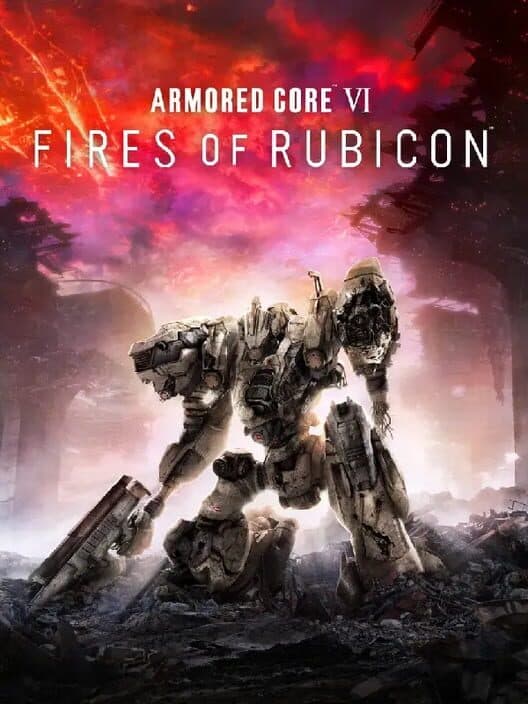
Fast-paced, reflex-heavy combat

Tough bosses demand persistence

Best in focused 60–90 minutes

Is Armored Core VI: Fires of Rubicon Worth It?

Armored Core VI: Fires of Rubicon is absolutely worth it if you enjoy fast, demanding action and love tinkering with builds. For players who like FromSoftware’s combat but prefer shorter, mission-based structure over huge open worlds, it hits a great sweet spot. The game asks for good reflexes, patience with tough bosses, and a willingness to experiment with different mech frames and weapons. In return, it delivers some of the most satisfying "finally did it" moments in modern action games, backed by stylish visuals and a punchy, industrial sci-fi vibe. If you mainly want a relaxed, story-first experience or dislike failing a fight several times, this will feel more stressful than fun, and you’re better off waiting for a deep sale or skipping it. But if the idea of spending a few weeks perfecting your robot and smashing through seemingly impossible missions sounds appealing, Armored Core VI is easily worth full price.

When to check out Armored Core VI: Fires of Rubicon

You’ve got a free 90 minutes on a weeknight, decent energy, and want something intense and skill-based rather than a slow, talky story game.

It’s Saturday afternoon, the house is quiet, and you’re in the mood to tinker with builds, experiment, and finally conquer that boss that’s been stonewalling you.

Late at night after work, you want a short but high-energy session where you can clear one or two missions and feel clear, immediate progress.

What does Armored Core VI: Fires of Rubicon demand?

For a busy adult, Armored Core VI fits best as a focused project over a few weeks rather than a game you live in for months. A single campaign route to credits usually lands in the 20–30 hour range, which is very manageable at 5–10 hours a week. The tightly mission-based structure creates natural chunks: read a briefing, tweak your build, run a 5–20 minute sortie, then either move on or call it a night. You can pause freely in solo play and the game autosaves at the garage and checkpoints, so unexpected interruptions are rarely a problem. The main tradeoff is that coming back after a long break does require a little ramp-up as you re-learn controls and remember what your current build is meant to do. Social obligations are almost nonexistent since co-op isn’t a thing and PvP is optional. Overall, it respects your schedule but still asks for real focus when you do sit down.

Practical Tips

  • Aim for 60–90 minute sessions that include both garage time and at least one mission clear, so each evening feels meaningful.
  • After a long break, start by replaying an earlier, easier mission with your current build to quickly re-learn controls and weapon roles.
  • Ignore PvP and S-ranks until after your first ending; treating them as optional keeps the campaign feeling manageable and finite.

This is a game that really wants your full attention whenever you’re in a mission. Your eyes are juggling enemy positions, missile indicators, stagger gauges, and the terrain under your feet, while your hands manage boosting, dodging, and four separate weapon slots. Because combat is so fast and vertical, looking away from the screen even briefly can mean eating a full barrage and restarting from the last checkpoint. Between sorties, the garage and briefing screens do offer a slower pace, but they’re still mentally active: you’re reading mission details, weighing part stats, and trying to understand why a previous build failed. There’s very little time where your brain can just idle. For a busy adult, that means Armored Core VI works well on evenings when you have real energy to spare and want to sink into something absorbing. It’s not a good match for half-watching a show or chatting with someone while you play.

Practical Tips

  • Schedule sessions for times when you’re alert; trying to learn a new boss while tired makes its patterns feel much harsher.
  • Use the training missions early on to internalize camera and movement controls so combat later feels less overwhelming.
  • In the garage, focus on one or two weapons at first instead of four wildly different ones to reduce cognitive overload during fights.

Learning Armored Core VI feels like learning both a new action game and a new machine at the same time. The basics—boosting, locking on, firing weapons—come quickly, but moving confidently in full 3D space while reading enemy attacks and managing your resources takes several evenings to settle in. Early landmark bosses are designed to expose any gaps in your understanding, so expect a few serious walls as you start out. The flip side is that improvement is very visible. As you practice, you’ll naturally read attacks faster, position better, and start building mechs that actually suit each mission instead of just slapping on the biggest guns. Encounters that once felt impossible suddenly melt, and replaying older missions with a refined build and sharper piloting feels great. You don’t need to master every system to finish a run, but if you enjoy feeling yourself get noticeably better week over week, this game rewards that effort in a big way.

Practical Tips

  • Stick with one core frame style for a while—like a lightweight jumper or heavy tank—so you can learn its strengths before swapping constantly.
  • Watch your own replays or quick capture clips of tough fights to spot bad habits in movement and boost timing.
  • When a boss feels impossible, deliberately do a few 'learning runs' focused only on dodging and reading patterns without worrying about winning.

Emotionally, Armored Core VI sits in that sharp, exciting space where you’re often tense but rarely terrified. Regular missions are brisk and punchy, with enough incoming fire and spectacle to keep you alert without wearing you down. The real spikes come from big boss fights: you might spend an entire session learning patterns, trying new builds, and getting repeatedly knocked back at low health. Those stretches can be stressful, especially if you’re the type who hates seeing a "mission failed" screen. However, you never lose currency or parts on death, so the stakes are all in the moment rather than in permanent setbacks. When you finally break through a tough encounter, the emotional release is huge—the game is excellent at turning frustration into satisfying triumph. For many players this is a very rewarding kind of stress, but it’s still stress. If you want something cozy and low-pressure, this isn’t it; if you enjoy adrenaline, it delivers.

Practical Tips

  • If a boss is stressing you out, replay an easier mission or arena fight with a new build to restore confidence before trying again.
  • Treat each death as data—pause after a few failures to adjust your mech rather than slamming your head against the same approach.
  • Limit yourself to a set number of attempts per night on a wall boss so frustration doesn’t spill beyond the game.

Frequently Asked Questions