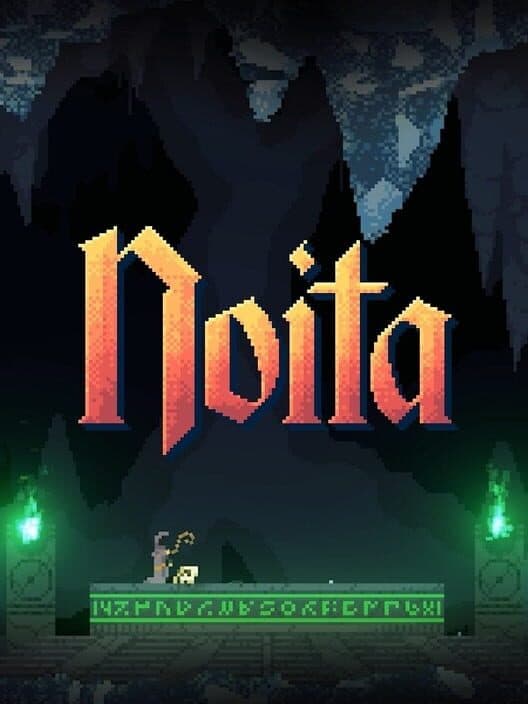
Noita

Nolla Games2020PC (Microsoft Windows)

Brutally hard physics-driven roguelite

Short, high-stakes run-based sessions

Deep wand crafting and experimentation

Is Noita Worth It?

Noita is worth it if you love hard games that reward curiosity and persistence rather than holding your hand. The core appeal is its living, simulated world and the wild wand‑building sandbox; every run produces new combinations of liquids, enemies, and spell effects that can go brilliantly right or hilariously wrong. The trade‑off is steep. The game is genuinely punishing, with frequent early deaths and almost no long‑term power unlocks to soften the blows. You’ll need focused attention, a tolerance for losing promising runs, and a willingness to learn from your mistakes. In return, you get some of the best emergent stories in modern games and a strong sense of personal growth as you push deeper over many evenings. Buy at full price if you’re excited by physics sandboxes, roguelites like Spelunky or Dead Cells, and the idea of “toys first, story later.” Wait for a sale—or skip—if you mainly want a guided narrative, gentle progress, or low‑stress relaxation after work.

When is Noita at its best?

When you have an hour or so in the evening, feel mentally fresh, and want a tense, skill‑testing experience where even failed runs create memorable stories and visible learning.

On a weekend afternoon when you’re curious and patient enough to experiment with wand builds, liquids, and weird interactions, accepting that some sessions will end in hilarious, instant self‑destruction.

Between big narrative releases, when you’d like a deep single‑player sandbox you can revisit for a few intense runs each week without tracking plot or scheduling with friends.

What is Noita like?

In terms of time, Noita is flexible on a night‑to‑night basis but demanding over the long haul. Individual runs can be very short when you’re learning—sometimes just a few minutes—while successful deep runs often land in the 45–90 minute range. The game lets you pause anytime and save‑and‑quit mid‑run, so you don’t need long uninterrupted blocks, which is great for adults with busy schedules. Structurally, each descent is a clear, self‑contained arc, and safe hubs are perfect natural stopping points. Where the commitment creeps up is in how long it takes to feel like you’ve really seen what the game has to offer. For many players, that’s one standard win plus some extra exploring, which can easily mean 25–40 hours of attempts. Coming back after a break also has a bit of friction, since you need a few practice runs to recall all the little dangers. There’s no social obligation or group scheduling, though—it’s pure solo play you can pick up whenever you have the focus.

Tips

  • Plan sessions around one or two serious runs; if a run goes long, use the save‑and‑quit option when real‑life responsibilities pop up.
  • Mentally define your own “done” point, like achieving one win or reaching a certain area, so you don’t feel pressured to chase every secret.
  • After long breaks, spend one evening on low‑stakes practice runs to rebuild instincts before you push hard for deeper, higher‑risk attempts.

Noita expects you to stay mentally and physically present almost the whole time you’re playing. During runs you’re constantly scanning the terrain, watching how liquids flow, tracking projectiles, and keeping an eye on your health and status effects. The floaty movement and harsh damage mean you can’t just go on autopilot; even a casual-looking jump might drop you into oil, acid, or a crossfire of enemy shots. At the same time, the game asks for slower thinking whenever you reach a safe hub. There you’ll read wand stats, reorder spells, and imagine how a new setup will actually behave when you pull the trigger in a cramped tunnel. This back‑and‑forth rhythm between frantic improvisation and concentrated tinkering keeps your brain very engaged. What you don’t get is much room for multitasking. Outside of those hubs, looking away from the screen for even a few seconds can easily lead to a fiery death. If you want something you can half‑watch while chatting or scrolling your phone, this isn’t it.

Tips

  • Use Holy Mountains as real breaks: pause, stretch, respond to messages, and mentally reset before you dive into the next dangerous area.
  • If you’re tired, limit yourself to early‑game exploration and wand experiments instead of deep runs where lapses in attention are punished hardest.
  • Avoid heavy background noise or podcasts; listening for hiss, explosions, and enemy shots gives you crucial extra warning about off‑screen dangers.

Noita has a steeper learning curve than most action games. You can move and shoot right away, but that’s only the surface. To really get anywhere, you need to internalize how different materials behave, how enemy types attack, and—most importantly—how wand stats and spell orders actually combine. That’s a lot to hold in your head, and early on it can feel overwhelming and unfair. The upside is that the game pays you back generously for every bit of understanding you gain. As you learn, you start spotting safe routes, building reliable tools, and recognizing dangerous setups before they kill you. Areas that were once brick walls become warm‑up zones. This shift from total chaos to controlled power is a big part of the appeal. It does mean the game isn’t friendly if you only want to dabble; it shines when you’re willing to chip away at it over many evenings. For players who enjoy seeing clear improvement in their own skill and knowledge, the payoff is huge.

Tips

  • Treat early hours as study time: focus on experimenting with liquids, spell combinations, and wand stats instead of obsessing over reaching the final areas.
  • Don’t hesitate to glance at a beginner’s guide or wiki for wand basics; a small knowledge boost can dramatically cut down on frustrating, unexplained deaths.
  • Stick to a few favorite spells and playstyles at first so you can recognize their behaviors instinctively before branching into weirder, riskier options.

Noita sits firmly on the intense end of the spectrum. Health is low, damage is high, and there’s no safety net if things go wrong. You’ll often be creeping carefully through caverns, knowing that one stray shot, exploding barrel, or splash of toxic liquid could end a promising run in seconds. That constant awareness creates a thick layer of tension, especially once you’ve found good wands and feel you have something to lose. The game does offer quieter pockets while you’re shopping or rearranging spells, but the knowledge that you’re about to step back into danger keeps your nerves humming. Emotionally, this is closer to Spelunky or a hard Souls boss than to a relaxed platformer. It’s thrilling when you clutch out a close escape or finally reach a new area, but it can also be draining after a stressful day. If you enjoy white‑knuckle games where failure really stings yet still feels learnable, the intensity is rewarding. If you’re looking to unwind with something gentle, Noita will probably feel too brutal.

Tips

  • Avoid marathon sessions when you’re already stressed; a single brutal death can sour your mood if you push through when you’re mentally exhausted.
  • Set small goals per night, like reaching one new area or trying a specific build, so losses hurt less and progress still feels tangible.
  • When a death tilts you, stop immediately or switch to light experimentation; forcing another serious run while angry usually leads to more mistakes.

Frequently Asked Questions