Motion Twin • 2018 • PlayStation 4, Linux, Android, PC (Microsoft Windows), iOS, PlayStation 5, Mac, Xbox One, Nintendo Switch
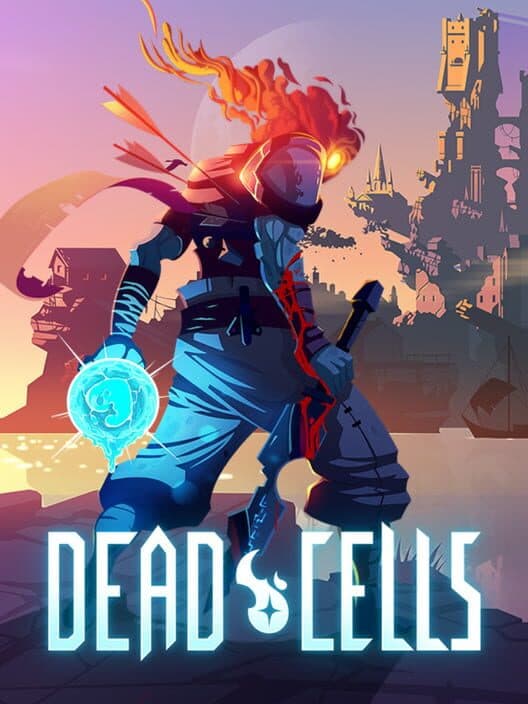
Dead Cells
Motion Twin • 2018 • PlayStation 4, Linux, Android, PC (Microsoft Windows), iOS, PlayStation 5, Mac, Xbox One, Nintendo Switch
Is Dead Cells Worth It?
Yes, Dead Cells is worth it if you love tight action, repeated improvement, and runs that stay exciting even when they end in failure. Its big strength is how good it feels moment to moment. Dodging, jumping, parrying, and slicing through rooms has a snap that keeps the game fun long after the first few deaths, and the mix of weapons, skills, mutations, and branching routes gives each run a fresh angle. What it asks from you is real focus and patience. This is not a laid-back exploration game or a story-heavy one, and the first clear can take time. If you get discouraged by restart-heavy structure or need guaranteed progress every night, wait for a sale or skip it. If you enjoy Hades, Celeste, or other games where mastery is the reward, full price is easy to justify. If you are curious but unsure about the difficulty, a sale makes sense, especially since Assist Mode can soften the climb. Buy it now for the combat feel alone. Skip if you mainly want calm sessions, rich narrative, or a game you can half-watch while multitasking.
What is Dead Cells like?
Opinions of Dead Cells
What Players Love
- Players Love
Combat and movement feel incredibly crisp and responsive
Players consistently say dodging, jumping, canceling, and weapon swings feel so immediate that the controls stay satisfying even after many deaths.
- Players Love
Weapon variety and synergies keep repeated runs fresh
The large weapon pool, mutations, and branching routes keep attempts from blending together. Many players say each run nudges them toward a different style.
- Players Love
Even failed runs usually still move you forward
Deaths often still hand you something useful, whether that is cells for unlocks, a new blueprint, or a lesson about a boss pattern.
Common Concerns
- Common Concern
Early difficulty walls can stop first clears cold
A lot of players hit a wall before the first full clear. Early deaths, run resets, and demanding bosses can make the opening stretch feel discouraging.
- Common Concern
Random drops can fight your preferred build plans
Some runs refuse to offer gear that fits the style you want, and favorite weapons may stay locked away for a while, slowing early momentum.
Divisive Aspects
- Divisive
The Boss Cell climb thrills or wears you down
For some players, pushing higher difficulties is where the game truly opens up. For others, the repeated climb starts to feel too punishing and repetitive.
What does Dead Cells demand from you?
Time
LOWTime
It fits weeknight play better than many hard action games, with clear run milestones and full pause, but the road to a first clear still asks for repeat attempts.
Focus
HIGHFocus
This is a full-attention action game where rooms are short but demanding, and success comes from reading enemy tells, moving cleanly, and making quick build calls.
Challenge
HIGHChallenge
You can understand the basics quickly, yet real comfort comes later, once enemy patterns, color scaling, and weapon synergies stop feeling like noise and start feeling readable.
Intensity
HIGHIntensity
Runs stay tense because one sloppy room can weaken everything that follows, but the speed and clean controls make that pressure feel exciting more often than crushing.
Frequently Asked Questions
You Might Also Like
Games with a similar rhythm and feel, even if they look different