11 bit studios • 2025 • Xbox Series X|S, PC (Microsoft Windows), PlayStation 5
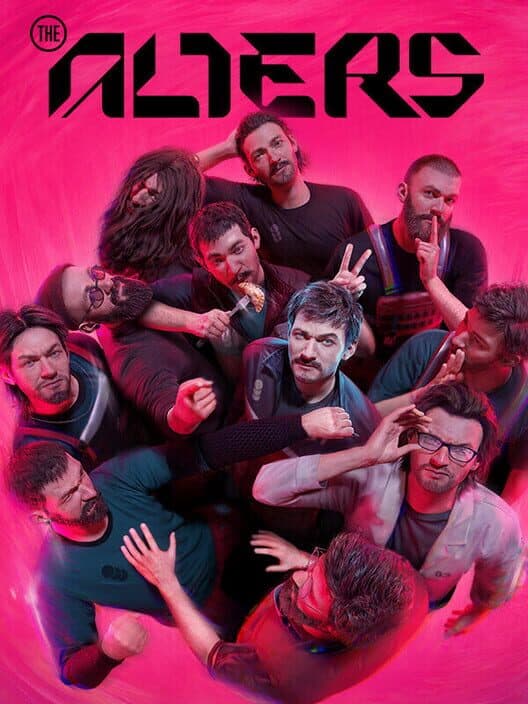
Narrative-heavy survival and base management
20–30 hour campaign, day-sized sessions
Purely single-player, emotionally intense themes
The Alters is worth it if you enjoy thoughtful, story-driven games that mix light survival management with emotional sci‑fi drama. It’s not a forever game, but a focused 20–30 hour journey where your planning and your choices both matter. You’ll spend sessions assigning work, routing your rolling base, and having long conversations with alternative versions of the main character, deciding who they become and what that means for your shared future. In return, you get a strong sense of building something—from a fragile starting rig to a capable operation—while unravelling an intimate story about regret, work, and identity. Buy at full price if you like Frostpunk’s weighty decisions but want something shorter, more personal, and less brutally punishing. It’s also a good pick if you usually bounce off open worlds that run 60–100 hours. Consider waiting for a sale if you’re mainly into fast action, co‑op play, or completely relaxed experiences; the pace and themes here are heavier. Skip it if you dislike reading, management layers, or confronting darker psychological topics.

11 bit studios • 2025 • Xbox Series X|S, PC (Microsoft Windows), PlayStation 5
Narrative-heavy survival and base management
20–30 hour campaign, day-sized sessions
Purely single-player, emotionally intense themes
The Alters is worth it if you enjoy thoughtful, story-driven games that mix light survival management with emotional sci‑fi drama. It’s not a forever game, but a focused 20–30 hour journey where your planning and your choices both matter. You’ll spend sessions assigning work, routing your rolling base, and having long conversations with alternative versions of the main character, deciding who they become and what that means for your shared future. In return, you get a strong sense of building something—from a fragile starting rig to a capable operation—while unravelling an intimate story about regret, work, and identity. Buy at full price if you like Frostpunk’s weighty decisions but want something shorter, more personal, and less brutally punishing. It’s also a good pick if you usually bounce off open worlds that run 60–100 hours. Consider waiting for a sale if you’re mainly into fast action, co‑op play, or completely relaxed experiences; the pace and themes here are heavier. Skip it if you dislike reading, management layers, or confronting darker psychological topics.
When you have an hour or so after work, enough mental energy to plan and read, and you want one complete in-game day that starts, develops, and wraps up cleanly.
On a quiet weekend afternoon when you can stack two sessions, push the base through a tricky region, and spend extra time talking with Alters without feeling rushed or interrupted.
During a stretch when you’re in the mood for a thoughtful sci-fi story about choices and identity, treating the game like a limited series you finish over two or three focused weeks.
A focused 20–30 hour story best played in regular 60–90 minute sessions over a couple of weeks.
The Alters is built to be finished, not lived in forever. A typical playthrough runs around 20–30 hours, which for someone with 5–10 hours a week means roughly two to three weeks of steady play. Each in‑game day takes about an hour or so and ends at Jan’s bed, creating natural stopping points that fit nicely into an evening after work. The game is flexible with interruptions: you can pause at any time, and the patched save system now autosaves both on sleeping and on exit. If you have to put the controller down mid‑day, you’ll lose a bit of efficiency, but not your whole night. Where it does ask more of you is consistency. Coming back after a multi‑week gap means relearning your base, projects, and character arcs, so it shines most when you can play at least a couple of sessions a week. There’s no multiplayer to schedule around, and once you’ve seen an ending and a handful of Alter stories, you can comfortably walk away or choose a partial second run on your own terms.
Demands steady, thoughtful attention with light reflexes, best enjoyed when you can actually focus rather than half-watching something else.
Most of your time in The Alters is spent thinking a few steps ahead. You start each in‑game day by checking timers, assigning jobs, and deciding which projects matter most before the next radiation window hits. Outside the base you’re watching the terrain, anomalies, and your clock, picking safe routes and knowing when to turn back. Inside, you’re planning tech paths and reading character dialogue that actually affects outcomes. Reflexes matter only a little; the real work is keeping a mental model of your resources, deadlines, and crew moods. For a tired adult, this means you’ll want to play when you have some mental energy. It’s not something to mindlessly grind while listening to a podcast. In return, the game makes your focus feel worthwhile: every careful choice about schedules, builds, or conversations shows up later in smoother days and richer story beats.
Takes a few evenings to click, with clear payoff as you learn smoother routines and smarter long-term decisions.
Learning The Alters is less about finger skill and more about understanding how its systems interlock. Expect a handful of sessions where you’re still internalizing how fast the clock moves, how far you can safely travel, which resources bottleneck your progress, and how morale and rebellion actually work. Within 5–10 hours, most players will feel they can reliably get through days without disasters. From there, improvement is satisfying. You’ll design better base layouts, discover efficient mining routes, and develop a sense for when to risk pushing farther and when to cut your losses. You’ll also start to see how certain story triggers and Alter choices shape the final act, letting you aim for outcomes that fit your version of Jan. The ceiling isn’t endless—the campaign is finite and mechanics remain readable—but there’s enough depth that a second run on a tougher setting or with different choices can feel meaningfully sharper. The game asks for patience with some trial and error, and rewards you by making later days feel like a well-oiled machine you built yourself.
Moderate tension and heavy themes rather than white-knuckle action, with stakes that sting but rarely feel cruel.
The Alters aims more for a slow, pressing tension than constant adrenaline. The clock keeps ticking, resources can run short, and a badly handled rebellion or missed deadline can derail your plans. Emotionally, the game doesn’t pull many punches: it digs into trauma, exploitation, and self‑loathing as Jan confronts different versions of his life. Conversations can be raw, and losing an Alter you’ve invested in hurts. What you won’t get is nonstop combat stress or horror-style jump scares. Most danger is telegraphed, and on the default difficulty, a thoughtful player rarely loses an entire run. Mistakes usually translate into a few rough in‑game days and some scrambling, not total collapse. You can also dial down the pressure with the softer settings or Relax Mode if you just want the story. So it’s emotionally intense in subject matter, but the moment-to-moment play is more about background anxiety and tough choices than heart‑pounding panic.
Games with a similar rhythm and feel, even if they look different