11 bit studios • 2025 • Xbox Series X|S, PC (Microsoft Windows), PlayStation 5
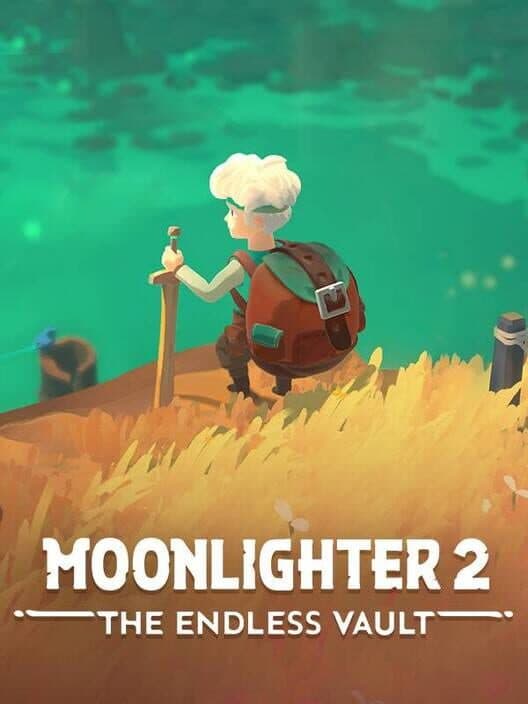
Moonlighter 2 is worth it if you enjoy run-based action games and light management sims and like the idea of living a double life as dungeon raider and shopkeeper. The main draw is its satisfying loop: short, randomized dungeons feed you relics, which you then price, display, and sell to fund better gear and town upgrades. Every decent session moves something forward, whether that’s new weapons, a prettier shop, or unlocking another layer of the Endless Vault. On the flip side, it does ask you to tolerate repetition and some early grind. You’ll replay dungeons many times, and if losing a good run’s loot feels unbearable, the structure may grate. Story and characters are pleasant but light, so don’t come expecting a deep narrative. For full-price buyers, it’s a strong pick if you love Hades-style runs, inventory tinkering, and cozy aesthetics. If you’re only mildly curious about the premise or worry about grind, it’s safer to grab on sale. Skip it if you dislike real-time combat or run-based progression altogether.

11 bit studios • 2025 • Xbox Series X|S, PC (Microsoft Windows), PlayStation 5
Moonlighter 2 is worth it if you enjoy run-based action games and light management sims and like the idea of living a double life as dungeon raider and shopkeeper. The main draw is its satisfying loop: short, randomized dungeons feed you relics, which you then price, display, and sell to fund better gear and town upgrades. Every decent session moves something forward, whether that’s new weapons, a prettier shop, or unlocking another layer of the Endless Vault. On the flip side, it does ask you to tolerate repetition and some early grind. You’ll replay dungeons many times, and if losing a good run’s loot feels unbearable, the structure may grate. Story and characters are pleasant but light, so don’t come expecting a deep narrative. For full-price buyers, it’s a strong pick if you love Hades-style runs, inventory tinkering, and cozy aesthetics. If you’re only mildly curious about the premise or worry about grind, it’s safer to grab on sale. Skip it if you dislike real-time combat or run-based progression altogether.
When you have about an hour and want something engaging but not draining, one dungeon run plus a shop day delivers a complete, satisfying loop of action and progress.
On a relaxed weekend evening, it’s great for chaining a few runs, upgrading gear and town buildings, and really feeling your little economy click into place.
Perfect when you’re playing solo with a podcast or light music, craving cozy visuals and mild tension rather than heavy story scenes or competitive pressure.
Built for 60–90 minute loops, with a complete experience in roughly 15–25 hours for most busy adults.
Moonlighter 2 fits neatly into a weeknight schedule. A single session often covers a full shop day and one dungeon run, which takes around an hour or a bit more. Those cycles end with clear summaries—gold earned, upgrades bought, story beats seen—so it’s easy to stop without feeling you’ve left something half-finished. You can also pause at any time, even mid-fight, which helps if kids, pets, or life need instant attention. Saving is tied to major transitions, so you can’t make a quick save in the middle of a run without using your escape Pendant, which ends the attempt. That encourages planning sessions around complete runs rather than five-minute bursts. To feel like you’ve “done what this game offers” in its current state, you’re looking at maybe 15–25 hours: beating each dungeon boss, upgrading your shop most of the way, and sampling Endless Vault challenges. If you fall in love with the loop, there’s room to push beyond 30 hours, but the core arc doesn’t demand that. Coming back after a break does take a little re-orientation, so try not to leave it shelved for months at a time.
Mixes relaxed shopkeeping with more focused dungeon runs and inventory puzzles that keep your brain gently but consistently engaged.
Across a typical evening, your attention naturally rises and falls. The shop side is calm: you’re watching customers, nudging prices, and choosing where to invest gold. It’s engaging, but you can glance at your phone or chat with someone without disaster. Once you step into a dungeon, though, you’ll want to pay closer attention. Fights are real-time, with enemy patterns, dodge timing, gun ammo, and special attacks to track. On top of that, the backpack system turns your inventory into a small spatial puzzle, asking you to rearrange relics to trigger bonuses and avoid harmful effects. This means the game rarely feels like mindless background noise, but it also doesn’t demand white-knuckle concentration the whole time. Expect to feel pleasantly “on” rather than drained. If you’re coming off a long workday, you can ease in with shop tasks, then tackle a run once your brain wakes up a bit. For most busy adults, it lands in a comfortable middle ground between chill and demanding.
Easy to pick up, with satisfying depth in relic synergies, builds, and shop optimization if you choose to dig in.
You’ll grasp the basics quickly. Moving, rolling, swinging your weapon, and firing your gun feel familiar if you’ve played any action game. The first dungeon floors are forgiving enough that you can muddle through without perfect timing. Where the game deepens is in how all its systems layer together. Relics interact based on where you place them in your backpack. Patches and weapon upgrades shape your preferred combat style. Shop perks and pricing choices influence how fast money rolls in. Getting from “I can clear a floor” to “I reliably beat bosses and make strong profits” takes a few evenings of play. You’ll slowly learn which relic effects are worth keeping, when to cut a run short, and how to avoid overinvesting in the wrong upgrades. Importantly, you don’t need to master everything to enjoy yourself; the game still pushes you forward with steady long-term progression. But if you like the feeling of noticeable improvement, you’ll see your skill and knowledge pay off in smoother runs, fatter wallets, and a more efficient little economy.
Generally cozy and low-stress, with occasional spikes of tension when a good loot run is on the line.
Emotionally, Moonlighter 2 sits closer to cozy than to adrenaline rush. The art is bright and friendly, the music is gentle, and there’s no grim story constantly pushing high drama. Most of the tension comes from knowing that if you die in a dungeon, you’ll lose the relics you’re carrying and effectively waste that slice of time. Boss fights and tough rooms can make your heart rate climb a bit, especially until you learn patterns, but the stakes are still contained: you’re not losing characters, save files, or social standing. On Normal, getting hit hurts, but you have healing options, permanent upgrades, and even an easier difficulty if you just want to relax. This makes setbacks annoying rather than crushing. In the shop, the emotional tone is almost entirely pleasant—tuning prices, watching customers react, and seeing your perks build up feels more soothing than stressful. Overall, it’s a good pick when you want something engaging with a hint of risk, but don’t feel up for a high-pressure experience.
Games with a similar rhythm and feel, even if they look different