Control

505 Games2019Google Stadia, Xbox Series X|S, PlayStation 4, PC (Microsoft Windows), PlayStation 5, Xbox One
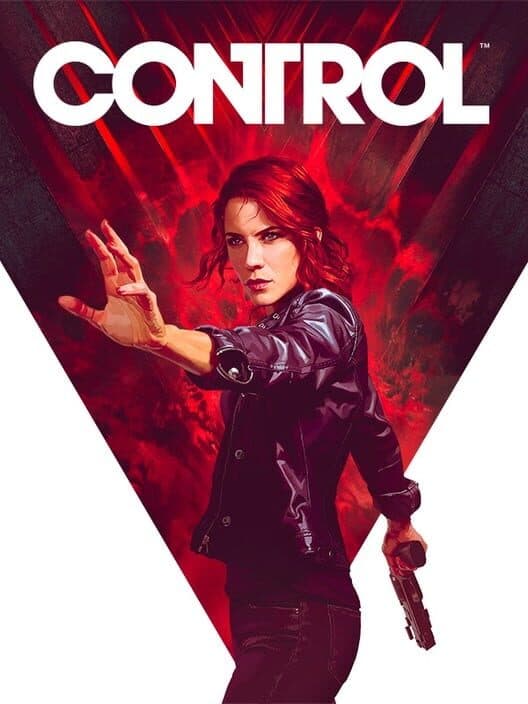
Weird-fiction third-person telekinetic shooter adventure

Medium-length single-player story campaign

Dense, secret-filled brutalist office building

Is Control Worth It?

Control is worth it if you enjoy stylish action, weird stories, and games that fit comfortably into a busy adult schedule. It offers a compact 15–25 hour campaign where you steadily unlock telekinetic powers, upgrade a transforming gun, and explore a dense, shifting office building full of secrets. The combat feels great once the core toolkit opens up, and the atmosphere is incredibly distinctive, mixing corporate bureaucracy with cosmic horror and deadpan humor. What it asks from you is moderate focus, a tolerance for some navigation confusion, and comfort with occasional difficulty spikes. In return, you get a steady sense of power growth, memorable set pieces, and a world that’s fun to think about even when you’re not playing. Buy at full price if you love strong atmosphere, kinetic combat, and medium-length single-player adventures. It’s a good sale pick if you’re mainly curious about the story or worried about the challenge. Skip it if you dislike eerie themes, third-person shooting, or any amount of getting lost in maze-like levels.

When is Control at its best?

When you have an hour or so in the evening and want something absorbing but finite, letting you clear a mission chunk and feel real progress before bed.

When you’re in the mood for a stylish, slightly creepy world to sink into alone, following a strange story at your own pace without worrying about friends’ schedules or online events.

When you have a free weekend afternoon and enough mental energy to explore, experiment with new powers, and chase down a few optional side missions or secrets.

What is Control like?

Control is very friendly to a busy schedule. The full experience—story plus a meaningful handful of side missions—fits into roughly 15–25 hours, or a few weeks at 5–10 hours per week. Play is naturally chunked by missions and Control Points, which serve as hubs, fast-travel nodes, and safe places to stop. A typical nightly session of 60–90 minutes is enough to clear a mission step, explore a new wing, and spend upgrade points, giving a clear feeling of progress. The checkpoint-based saving means you won’t always resume in the exact spot you quit, but you’re rarely set back more than a few minutes. Coming back after a break is generally smooth: the mission log reminds you what’s next, though you may need a bit of time to re-learn the building’s layout and your current build choices. Everything is strictly solo, so there’s no pressure to coordinate schedules or keep up with friends. Overall, Control respects your time while still feeling like a substantial, cohesive adventure rather than a disposable weekend snack.

Tips

  • Aim to stop at a freshly cleansed Control Point when possible; it creates a clean starting marker for your next session.
  • When returning after a long break, spend five minutes at a Control Point reading your mission log and ability tree before jumping straight into combat.
  • If you’re short on time, focus on main missions and a few standout side quests instead of trying to clear every optional countermeasure.

Control asks for a steady but manageable level of attention. In combat, you’re watching several things at once: enemy types and positions, your health and energy, and bits of environment you can rip up and throw. Fights are dynamic and vertical, so you can’t really zone out or multitask with a show on in the background. Outside combat, the pace slows as you navigate the Oldest House, follow signage, check the map, and occasionally solve light traversal puzzles. Reading lore entries is optional but rewarding if you enjoy digging into the world. Overall, it sits between a relaxed narrative game and a white-knuckle shooter: you’re engaged most of the time, but rarely mentally drained. For a busy adult, Control works best when you have enough energy to pay attention, but not so much that you’re craving hardcore challenge. You can enjoy it after work, though it’s better on nights when you’re not totally wiped.

Tips

  • Treat navigation like part of the game: when you unlock a new power, mentally note earlier locked areas you might revisit instead of wandering aimlessly.
  • If you’re tired, favor mission-driven play over free-roaming; following clear objectives cuts down on cognitive load from the building’s confusing layout.
  • Use Assist Mode’s aim options if precise shooting wears you out, so more of your focus can go to positioning and enjoying the atmosphere.

Control doesn’t take long to feel playable. Within a couple of sessions you’ll understand the basics: shoot, throw debris, dodge incoming fire, and use checkpoints to upgrade powers. The game gradually adds new abilities like Levitate and Seize, so your toolbox expands in a digestible way rather than all at once. The steeper part is learning how to chain everything together smoothly and read arenas well enough to stay alive without panic. For players who like to improve, there’s real payoff in mastering ability combos and positioning. Knowing when to stay grounded, when to take to the air, and how to use enemies against each other can turn once-chaotic fights into stylish, almost effortless-feeling encounters. However, there’s a ceiling: with no competitive modes and a finite campaign, ultra-deep optimization isn’t required or especially rewarded. This makes Control a strong fit for adults who want their skills to matter and feel progress over several evenings, but who don’t have time to grind mechanical mastery for dozens of hours.

Tips

  • Early on, invest points into health and Launch; extra survivability and stronger throws make the whole game more forgiving while you’re still learning.
  • Practice using powers in combination—throw, shoot, then dodge or Levitate—until the rhythm feels natural, instead of spamming a single favorite tool.
  • Don’t stress over perfect builds; pick a couple of weapon forms and a few clear priorities (health, energy, damage) and stick to them.

Control has a moody, unsettling tone backed by solid but not brutal challenge. The atmosphere leans into suspended bodies, strange whispers, and surreal events, which can raise your heart rate without going full jump-scare horror. Combat waves sometimes escalate quickly, especially when flying enemies or explosives enter the mix, leading to short bursts of genuine pressure. A few boss-style encounters and arenas are known difficulty spikes where you may die several times before succeeding. That said, this isn’t a game built to crush you. Checkpoints are generous, deaths only cost some currency, and post-launch Assist options let you lower damage taken or even turn on practical invincibility if you just want the story. For most adults on default or slightly eased settings, the overall stress level lands in the “engaging thriller” zone: you’re alert and invested, not shaking when you put the controller down. It’s a good pick if you enjoy a bit of tension and challenge, but want the safety net to dial things back when life is already stressful.

Tips

  • If a particular fight feels like a wall, don’t be shy about tweaking Assist sliders for that section, then turning them back down later.
  • Tackle tougher-looking side missions when you’re fresh and leave lore reading or light exploration for nights when you’re mentally tired.
  • Remember you can always retreat to a Control Point and regroup; you’re not forced to bang your head against a single tough encounter.

Frequently Asked Questions