Electronic Arts • 2023 • Xbox Series X|S, PlayStation 4, PC (Microsoft Windows), PlayStation 5, Xbox One
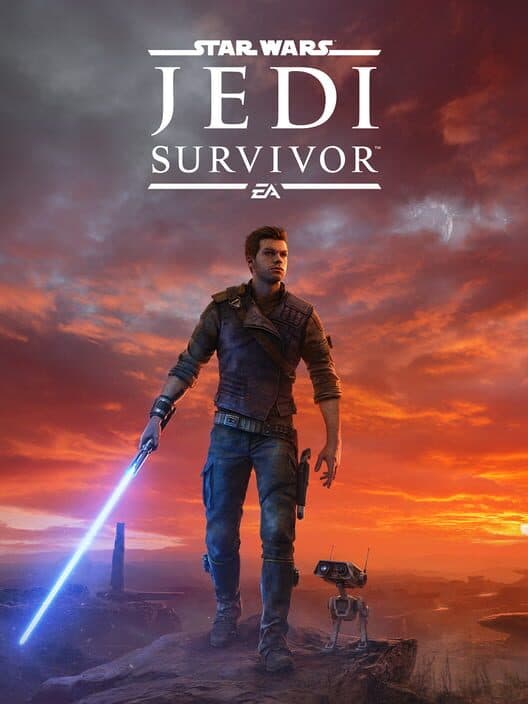
Star Wars Jedi: Survivor
Electronic Arts • 2023 • Xbox Series X|S, PlayStation 4, PC (Microsoft Windows), PlayStation 5, Xbox One
Is Star Wars Jedi: Survivor Worth It?
Yes. Star Wars Jedi: Survivor is worth it if you want a polished single-player Star Wars adventure with great lightsaber combat, strong characters, and enough exploration to make the worlds feel lived in. It is especially easy to recommend if you liked Fallen Order but wanted better combat variety and richer planets to poke around in. Buy at full price if you want a story-driven action game right now and you are comfortable with parry-heavy fights and some backtracking. Wait for a sale if you are unsure about the semi-open structure, or if you are buying on PC and are sensitive to stutter or uneven performance. Skip it if you dislike learning boss patterns, returning to older areas with new abilities, or spending a few minutes reorienting after a break. What it asks from you is steady attention, some patience during tougher fights, and a few weeks of regular play. What it gives back is a very strong Star Wars mood, satisfying combat growth, and a campaign that feels big without becoming endless.
What is Star Wars Jedi: Survivor like?
Opinions of Star Wars Jedi: Survivor
What Players Love
- Players Love
Stance variety makes lightsaber combat satisfying to master
Players keep praising the five stances, tougher enemy mixes, and the freedom to settle on favorite pairings. Many say combat feels deeper and better than Fallen Order.
- Players Love
Star Wars atmosphere and crew carry the whole adventure
Music, creature design, cantina flavor, and Cal's crew give the journey a strong Star Wars feel. Even critical players often single out the setting and cast as a major draw.
- Players Love
Bigger planets make exploration feel richer than before
Mobility upgrades, secrets, and wider hub planets make curiosity pay off more often. Players who like backtracking and side paths often call exploration a clear step up.
Common Concerns
- Common Concern
PC performance problems still overshadow an otherwise strong game
Stutter, uneven frame pacing, and optimization issues are the most common complaint, especially on PC. Many players say the technical state got in the way of enjoying everything else.
Divisive Aspects
- Divisive
The larger scale helps, but pacing can feel messier
Some players love the broader planets and side content for making the world feel larger. Others find the map, backtracking, and cleanup less focused than the first game.
What does Star Wars Jedi: Survivor demand from you?
Time
MODERATETime
It fits well into weeknight sessions, though meditation points and semi-open planets make it slightly stickier than a true pick-up-and-put-down game.
Focus
HIGHFocus
This wants steady attention, quick reads, and good spatial awareness, especially once fights mix ranged fire, melee pressure, and layered traversal on bigger planets.
Challenge
MODERATEChallenge
The basics come quickly, but real comfort grows over several sessions as parry timing, stance choices, and planet navigation start to feel natural.
Intensity
MODERATEIntensity
Expect steady action pressure with regular spikes during bosses and set pieces, but not the constant dread or exhaustion of horror games.
Frequently Asked Questions
You Might Also Like
Games with a similar rhythm and feel, even if they look different