hello@slated.gg
Powered by IGDB•Privacy•Terms

© 2026 Slated.gg

Slated.gg
Popular GamesAboutDiscover Games
Mass Effect Legendary Edition

Electronic Arts • 2021 • Xbox Series X|S, PlayStation 4, PC (Microsoft Windows), PlayStation 5, Xbox One
Worth investing inStory-driven
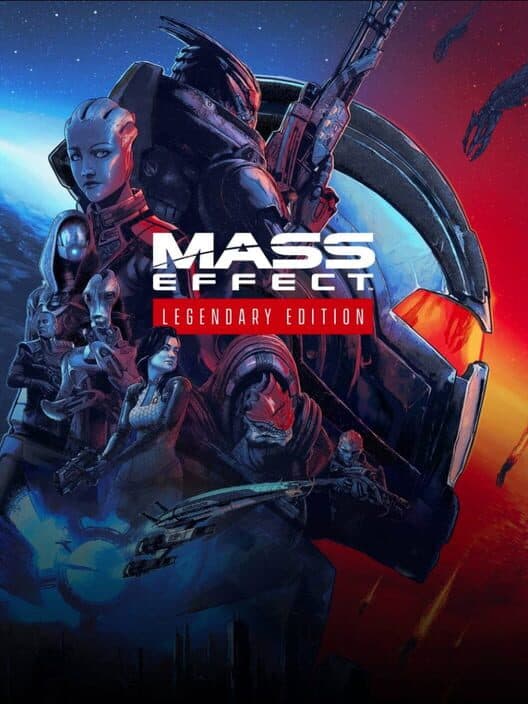
Mass Effect Legendary Edition cover art

Mass Effect Legendary Edition

Electronic Arts • 2021 • Xbox Series X|S, PlayStation 4, PC (Microsoft Windows), PlayStation 5, Xbox One

Worth investing inStory-driven

Is Mass Effect Legendary Edition Worth It?

Yes. Mass Effect Legendary Edition is worth it if you want a long, character-driven solo journey and can commit to seeing one hero through three games. Its biggest strength is how relationships and choices build over time. Talking to your crew after missions, carrying decisions forward, and watching old friends reappear gives the trilogy a sense of history few games match. The remaster also makes the whole package much easier to revisit, especially the first game. What it asks from you is time and a little patience. This is not a weekend play. The first game still feels older in its combat, menus, and side content, and the full payoff only lands if you stick with the whole arc. Buy at full price if you love story-rich space adventures, squad relationships, and making moral calls. Wait for a sale if you are curious but unsure about older design. Skip it if you want nonstop action, hate frequent dialogue, or know dated early-series friction will wear you down.

What is Mass Effect Legendary Edition like?

Opinions of Mass Effect Legendary Edition

What Players Love

  • Players Love

    Squadmates and carried-over choices build rare long-term attachment

    Players consistently say the trilogy feels special because friendships, romances, and earlier decisions follow Shepard across all three games and deepen the payoff.

  • Players Love

    The remaster makes replaying the trilogy much easier today

    Visual cleanup, smoother performance, and Mass Effect 1 improvements make this the easiest modern way to experience the full arc, even for returning fans.

Common Concerns

  • Common Concern

    Mass Effect 1 still shows its age in places

    Even fans note older combat feel, repetitive side tasks, stiff animations, and inventory friction in the first game. The update helps, but it does not erase them.

  • Common Concern

    Quality and polish are not equally strong everywhere

    Players mention small bugs, PC launcher hassles, and uneven upgrades between games. These issues rarely ruin the experience, but they do break immersion at times.

Divisive Aspects

  • Divisive

    Choice payoff feels powerful, but not always fully paid off

    Many players still love the journey, yet some debate how completely later outcomes match the trilogy's promise that earlier decisions reshape everything.

What does Mass Effect Legendary Edition demand from you?

Time

VERY HIGH

Time

This is a long solo journey built from tidy mission chunks, with generous saving that respects busy weeks even while the full arc asks months.

VERY HIGH

This is a long but very manageable solo project. A satisfying run means seeing one Shepard through all three base campaigns, which usually lands somewhere around 60 to 100 hours if you do the main story plus a healthy amount of companion content. The good news is that it breaks into clean chunks. One mission, one hub visit, or one round of ship conversations fits neatly into a 45 to 90 minute session. Full pause and frequent saves make it easy to stop when real life interrupts, and there are no group schedules or online obligations pulling you back. The bigger ask is continuity. This trilogy pays off best when you remember who people are, what your Shepard believes, and where current tensions sit. After a week or two away, the journal will help, but you may need a few minutes to rebuild that mental thread. So the time demand is not about needing marathon sessions. It is about sticking with a long-form story across months. If you want a finite, premium-feeling solo journey, that investment pays back beautifully.

Tips
  • Plan sessions around one mission plus ship chatter; that is usually the cleanest and most satisfying stopping point.
  • After a long break, read the journal and talk to your crew before launching the next major mission.
  • Make a manual save before major launches so returning later never means untangling where you left off.

Focus

MODERATE

Focus

Most sessions mix calm ship conversations with short bursts of cover fighting, so you are paying attention often but rarely white-knuckling the controller.

MODERATE

Most nights, this asks for steady attention rather than total tunnel vision. You will spend part of a session in quiet conversations, reading the room, choosing how Shepard answers, and deciding which squadmates and powers fit the next mission. Then combat kicks in and the game wants a different kind of focus: watch enemy defenses, use cover, fire off the right powers, and keep an eye on where teammates are standing. On normal difficulty, it rarely feels like a pure test of reflexes. The real ask is switching cleanly between story decisions and light battlefield planning. That trade is one of the trilogy's strengths. You give it regular attention and a bit of memory for names, factions, and relationships, and it gives you a world that feels more personal with every hour. You can pause whenever life cuts in, which helps a lot, but this still is not great background play. If you are half-listening while doing something else, you will miss the small character moments and the tactical openings that make fights smoother.

Tips
  • Do Normandy conversations right after missions so story context stays fresh and squad threads do not blur together.
  • Pause during harder fights to line up powers and reposition teammates instead of treating combat like a pure shooter.
  • Keep one squad setup for a few missions in a row until their skills and cooldowns start feeling natural.

Challenge

MODERATE

Challenge

You can get comfortable within a few evenings, but each sequel tweaks the rules enough that the trilogy keeps teaching you new rhythms.

MODERATE

You can get comfortable with Mass Effect Legendary Edition within a few evenings, especially if you play on normal. The basics are straightforward: stick to cover, bring a balanced squad, use powers often, and talk to people after missions. The trickier part is that the trilogy spans three games with related but different rules. The first game has older menus and rougher shooting, while the later games feel faster and cleaner. So the learning curve is less about brutal skill checks and more about staying patient while each entry teaches a slightly new rhythm. That exchange is worth it if you like feeling more at home in a world over time. The game asks you to learn which powers counter which defenses, how your class works, and how much companion content you want to follow. In return, it gives steady growth instead of wall-like difficulty. Mistakes usually send you back a short distance, not to the start of a long dungeon. The remaster helps a lot, but the first game still rewards giving the series a few hours to settle in.

Tips
  • Learn early which powers strip shields, armor, and barriers; combat gets easier once enemy defenses click.
  • Expect the first game to feel clunkier than the sequels and judge the package after several hours, not one mission.
  • Stick with a class fantasy you enjoy instead of constantly changing builds across a very long trilogy.

Intensity

MODERATE

Intensity

The big pull is emotional investment in your crew and choices, not nonstop pressure; dramatic moments land hard without making every mission feel punishing.

MODERATE

This is more emotionally involving than outright stressful. The big weight comes from caring about your crew, choosing who Shepard is, and watching war stakes rise across three games. Some fights can get tense when you are boxed into bad cover or a tough enemy rushes your position, but on normal difficulty the trilogy usually gives you room to recover. Checkpoints are kind, pause slows things down, and most failures cost minutes, not a whole evening. What you get in return is drama without constant exhaustion. Quiet ship conversations, dry humor, and downtime on the Citadel keep the mood from turning into nonstop pressure. When the game hits a big moral choice or brings back a character you have grown attached to, it lands because the baseline is not always maxed out. This makes it a great fit when you want a rich, story-heavy night without the nervous-system overload of horror or high-stakes online play. The default difficulty already delivers the emotional punch.

Tips
  • If a big choice sounds important, make a manual save first so you can sit with it instead of rushing.
  • Use smaller side missions on tired nights and save major story beats for when you have emotional bandwidth.
  • Normal difficulty keeps the drama high without turning routine firefights into draining retries.

Frequently Asked Questions

Mass Effect Legendary Edition is medium difficulty on normal. It is much easier than Souls-style games and usually less punishing than something like XCOM, but it asks a little more care than a pure cinematic shooter like Uncharted 4. Most of the challenge comes from using cover well, bringing the right squad powers, and reading enemy defenses like shields, armor, and barriers. If you ignore powers and try to play it like a simple run-and-gun shooter, fights get harder fast. It is also easier to learn than it is to fully optimize. You will understand the basic loop in the first few hours: talk to crew, pick a mission, shoot from cover, use powers, level up, repeat. The wrinkle is that each game in the trilogy handles combat and gear a bit differently, so the full package takes longer to settle into. The good news is that failure is rarely brutal. Checkpoints are generous, you can pause, and difficulty can be lowered if you mostly care about story.

Plan for about 60 to 90 hours for a satisfying base-trilogy run, and 100 to 140 hours if you like doing lots of side missions, scanning, and extra crew content. You do not need to do everything to feel finished. The real payoff comes from carrying one Shepard through all three main campaigns and spending enough time with squadmates to care about the finale. The good news is that the game fits nicely into medium sessions. One mission plus a return to the Normandy usually takes 45 to 120 minutes, with about 90 minutes feeling ideal. There are clean stopping points after debriefs, hub visits, and major story missions. Saves are generous too: autosaves are frequent, and manual saves let you leave without replaying huge chunks. So while this is a long commitment overall, it is not a marathon-only game. Think of it as a months-long book series you read in steady chapters, not a live-service hobby that demands daily time.

Mass Effect Legendary Edition is usually more absorbing than stressful. Most sessions mix relaxed ship conversations, light exploration, and cover-based fights that feel controlled rather than chaotic. On normal difficulty, the game gives you tools to slow things down, pause, and recover from bad positioning. It rarely creates the white-knuckle pressure of horror games, extraction shooters, or brutally punishing action games. Where it does hit hard is emotionally. You spend a lot of time with squadmates, make moral calls, and watch consequences build across three games. That can leave you thinking about a choice long after you stop playing, but it is a different kind of weight than constant panic. Failure is also fairly kind, since most deaths only send you back to a recent checkpoint. For most players, this is excellent weeknight material if you want drama and investment without feeling wrung out. If you are already drained, it is smarter to do one smaller assignment than a major story mission.

Yes. Mass Effect Legendary Edition is built as a single-player experience from start to finish, and it works very well on a busy schedule. You can pause at any time, there are frequent autosaves, and manual saves make it easy to stop after a mission or hub visit. There are no group obligations, no online timing pressure, and no need to coordinate with friends. One 60 to 90 minute session is enough to clear an assignment, talk to your crew, and make real progress. The main caveat is memory, not access. If you leave for a week or two, the journal will remind you where to go, but you may need a few minutes to remember who everyone is, what your Shepard stands for, and why a current choice matters. That is the cost of a long, connected story. So yes, you can absolutely play it casually in short sessions. Just try to keep some momentum if you want the full emotional payoff. It is a very good fit for steady weeknight play, less ideal for people who vanish for months between sessions.

No. Mass Effect Legendary Edition is a straight premium purchase, not a live-service grind. There is no in-game store, no battle pass, no paid power boosts, and no pressure to spend more money to keep up. You buy the package and get the core single-player experience in one box. For this analysis, the base trilogy is the focus, and you do not need extra purchases to feel complete or strong. That matters because this is a game built around story payoff, not monetized progression. Your success comes from choosing a class, using squad powers well, leveling normally, and making decisions in conversations and missions. If you die or feel underpowered, the answer is almost always better tactics, a smarter loadout, or lowering the difficulty, not opening your wallet. Even the extra included content in Legendary Edition does not turn it into a pay-to-win setup. If you are tired of games that hold back convenience or power unless you spend more, this is the opposite of that model.

You Might Also Like

Games with a similar rhythm and feel, even if they look different

Explore more→
Dragon Age: The Veilguard game cover art
Story-driven

Dragon Age: The Veilguard

Time
MODERATE
Focus
MODERATE
Challenge
MODERATE
Intensity
MODERATE
Final Fantasy VII Rebirth game cover art
Story-driven

Final Fantasy VII Rebirth

Time
HIGH
Focus
MODERATE
Challenge
MODERATE
Intensity
MODERATE
Metaphor: ReFantazio game cover art
Worth investing inStory-driven

Metaphor: ReFantazio

Time
HIGH
Focus
MODERATE
Challenge
MODERATE
Intensity
MODERATE
The Witcher 3: Wild Hunt game cover art
Story-driven

The Witcher 3: Wild Hunt

Time
HIGH
Focus
MODERATE
Challenge
MODERATE
Intensity
MODERATE
Cyberpunk 2077: Phantom Liberty game cover art
Story-driven

Cyberpunk 2077: Phantom Liberty

Time
MODERATE
Focus
MODERATE
Challenge
MODERATE
Intensity
MODERATE
God of War Ragnarök game cover art
Story-driven

God of War Ragnarök

Time
MODERATE
Focus
MODERATE
Challenge
MODERATE
Intensity
MODERATE
← Back to Home